



India AI Impact Summit 2026: AI Power Shift Now Coming in India
-
Avick kumar Dey / 9 months

- January 4, 2026
- 0
- 6 min read
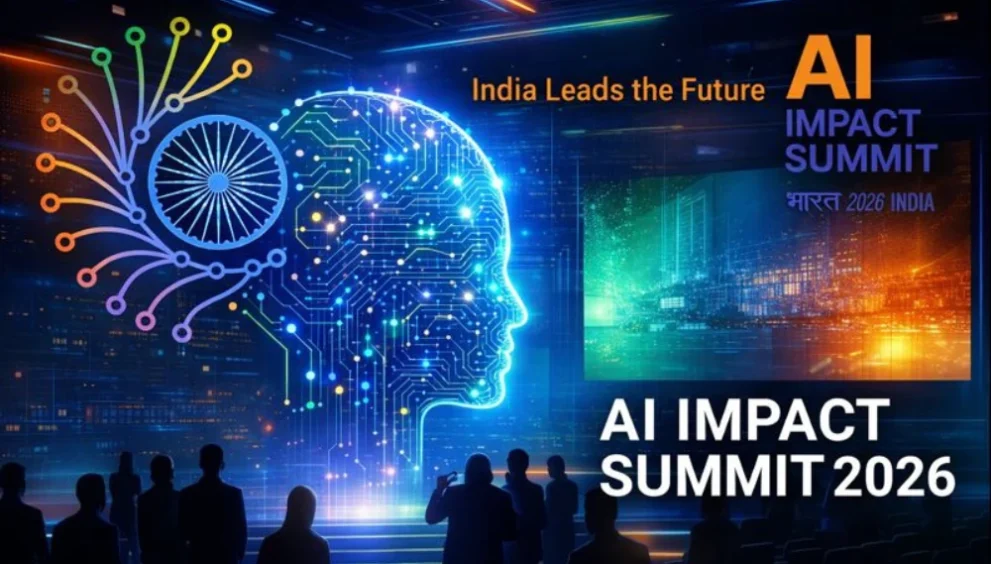
In a world where artificial intelligence is no longer a futuristic dream but a transformative force reshaping economies, societies, and daily lives, India is stepping up as a global powerhouse. The India AI Impact Summit 2026, scheduled for February 16-20 in the heart of New Delhi, promises to be a landmark event. Imagine over 100 top-tier CEOs from tech giants, heads of state from 15-20 countries, AI startups, researchers, and policymakers all under one roof or rather, in iconic venues like Bharat Mandapam and Vigyan Bhawan. This isn’t just another conference; it’s a bold declaration of India’s intent to democratize AI, bridge global divides, and lead ethical innovation. With Prime Minister Narendra Modi kicking things off, and luminaries like OpenAI’s Sam Altman and Nvidia’s Jensen Huang potentially in attendance, the summit could redefine how the world collaborates on AI.
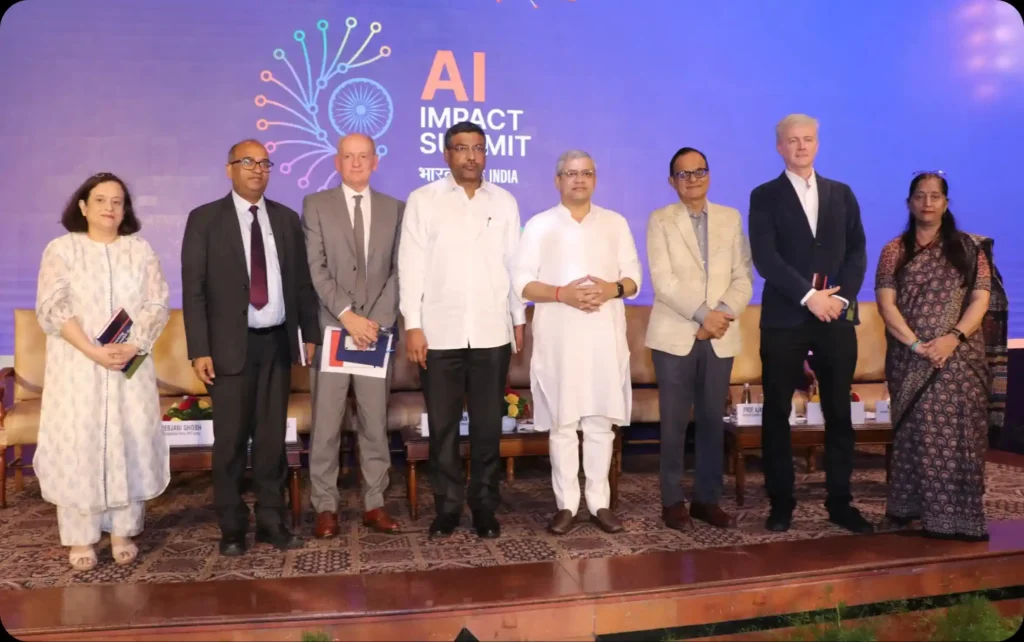
As we stand on the cusp of an AI-driven era, events like this are crucial. They foster dialogue on everything from ethical AI governance to practical applications in healthcare and agriculture. Drawing from official announcements and recent updates, this blog dives deep into what makes the India AI Impact Summit 2026 a must-watch, why it’s a game-changer for India and the world, and what to expect from this high-stakes gathering.
Event Overview: A Five-Day AI Extravaganza in the Capital
Organized by the Ministry of Electronics and Information Technology (MeitY) under the IndiaAI Mission, the summit will unfold from February 16 to 20, 2026, though core sessions are concentrated on February 19-20 at Bharat Mandapam. This flagship event builds on India’s G20 presidency legacy, aiming to position the country as an AI innovation hub. The theme? “Democratizing AI, Bridging Divides” a call to make AI accessible, ethical, and beneficial for all, especially the developing world.
The agenda is structured around three guiding “Sutras”: People, Planet, and Progress. These pillars emphasize AI’s role in serving humanity, protecting the environment, and driving sustainable growth. Attendees can expect panel discussions, workshops, exhibitions with over 300 exhibitors from 30+ countries, and thematic pavilions showcasing AI breakthroughs. From native AI solutions developed by Indian startups to international collaborations, the summit will highlight “AI for Good” initiatives in sectors like healthcare, agriculture, governance, and climate action.
What sets this apart from previous global AI summits like those in the UK or South Korea is India’s inclusive approach. For the first time, China has been invited as a partnering country to showcase its foundational AI models, signaling a push for cross-border cooperation amid geopolitical tensions. This move could pave the way for shared standards in AI ethics and data privacy, addressing concerns like bias and misuse that plague the technology today.
Star-Studded Lineup: Who’s Who in the AI World
The summit’s allure lies in its powerhouse participants. Confirmed attendees include trailblazers like Demis Hassabis of Google DeepMind, Dario Amodei of Anthropic, Shantanu Narayen of Adobe, Marc Benioff of Salesforce, Cristiano Amon of Qualcomm, Raj Subramaniam of FedEx, and the ever-influential Bill Gates. Anticipated heavyweights add even more excitement: Sam Altman, the visionary behind ChatGPT at OpenAI, whose insights on generative AI could spark debates on regulation and innovation.
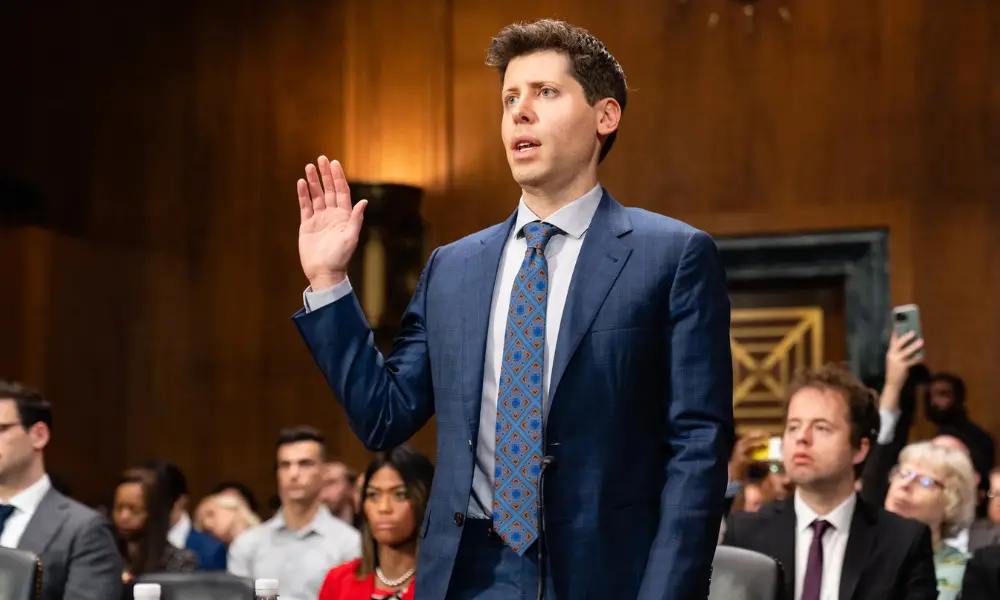
OpenAI CEO Sam Altman
Then there’s Jensen Huang, Nvidia’s CEO, whose company powers much of the world’s AI hardware expect talks on chip advancements and supply chain resilience.
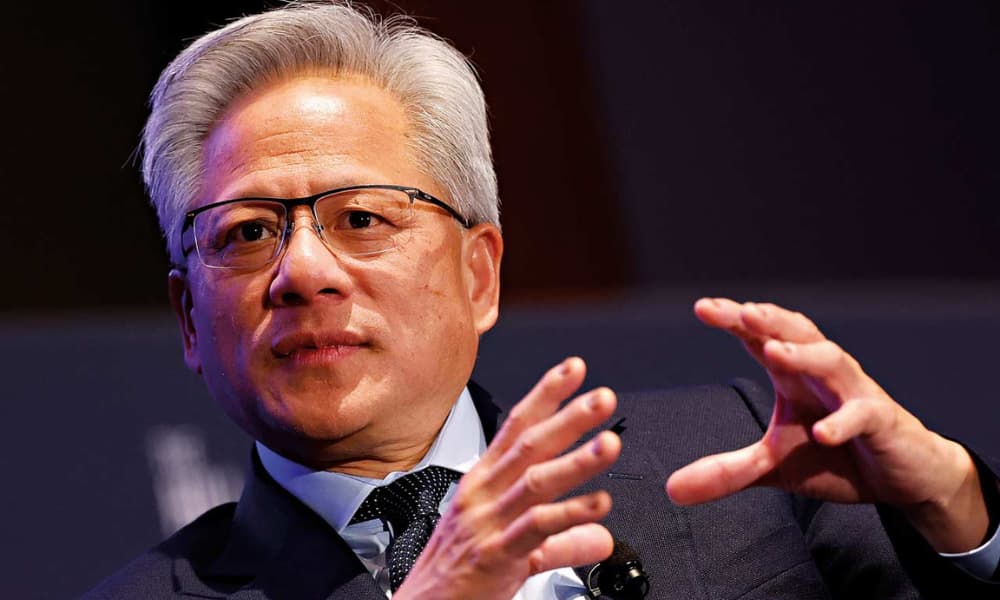
Jensen Huang, Nvidia’s CEO
Other notable names include Brad Smith from Microsoft, Sundar Pichai from Google, and Lip-Bu Tan from Intel. On the political front, leaders like French President Emmanuel Macron and Brazilian President Lula da Silva are expected, alongside representatives from 15-20 nations. This mix of tech titans and policymakers ensures discussions aren’t just theoretical- they’ll shape real-world policies.
Prime Minister Modi, inaugurating the event, brings his tech-savvy vision to the fore. Known for initiatives like Digital India, Modi’s involvement underscores AI’s role in India’s growth story from boosting GDP through AI adoption to creating millions of jobs in the sector.
As Abhishek Singh, Additional Secretary at MeitY, noted, “This summit will catalyze global AI innovation through collaborative research and international partnerships.
Deep Dive into the Agenda: From Ethics to Execution
The summit’s sessions will tackle pressing AI challenges head-on. Key focus areas include:
- Ethical AI Governance: Developing frameworks to ensure AI is fair, transparent, and accountable. With rising concerns over deepfakes and job displacement, panels will explore global standards, inspired by EU’s AI Act but tailored for emerging economies.
- AI for Sustainable Development: How AI can address climate change, optimize agriculture (e.g., predictive farming in India), and improve healthcare (like AI-driven diagnostics in rural areas). Expect showcases of Indian projects under the IndiaAI Mission, which allocates billions for AI compute infrastructure and talent development.
- Innovation and Startups: Over 100 AI startups will pitch ideas, fostering investments and collaborations. This aligns with India’s booming startup ecosystem, home to unicorns like Krutrim AI.
- Human Capital and Skills: Pre-summit events, like those on human capital for AI, highlight the need for upskilling. Discussions will cover bridging the AI talent gap, with India’s vast young workforce as a key asset.
Regional pre-events across India have already built momentum, engaging local industries, academia, and civil society. Globally, sessions like the one in Buenos Aires emphasized multi-stakeholder dialogue for AI governance.
Why This Summit Matters: India’s Leap into AI Leadership
In a geopolitical landscape where AI is the new arms race, India’s summit is timely. The country, already the third-largest startup ecosystem, aims to contribute 10% to global AI value by 2025-30. By hosting this, India bridges the Global North-South divide, advocating for AI that benefits the planet’s majority.
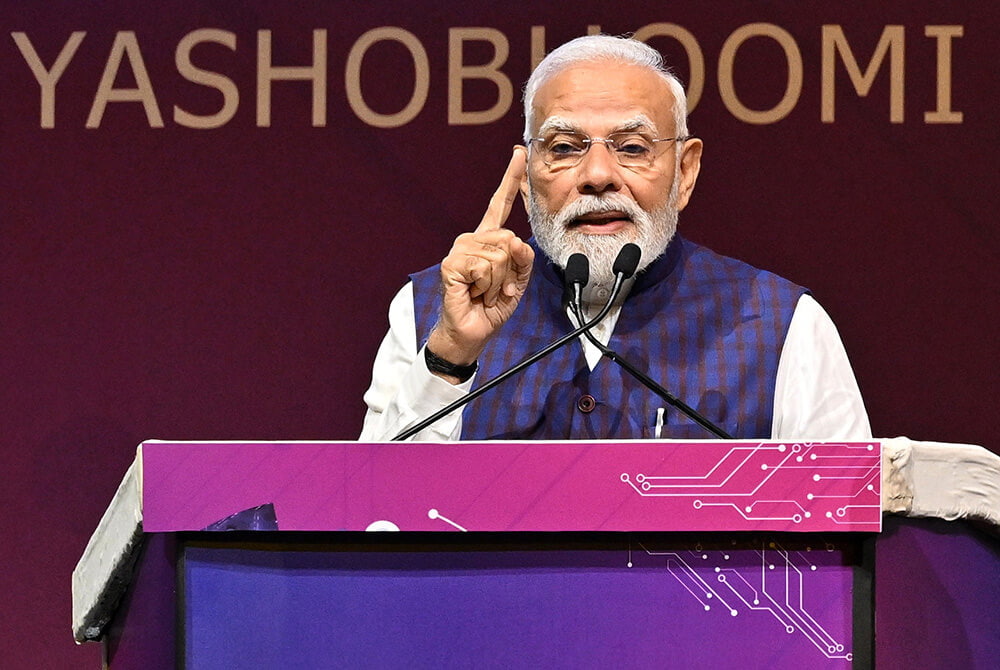
Semicon India 2025, PM Modi
Economically, AI could add $500 billion to India’s GDP by 2025, per reports. But the summit goes beyond economics it’s about equity. As Altman has said in past forums, “AI should empower everyone, not just a few.” Huang’s Nvidia drives the hardware revolution, making advanced computing accessible. Their potential participation could lead to breakthroughs in open-source AI models or joint R&D.
For the world, this event continues the global AI summit series, following UK and Korea, but with a unique focus on inclusion. It could result in new alliances, funding for AI in developing nations, and policies mitigating risks like misinformation.
Delhi’s Grand Preparations: A World-Class Welcome
To host this mega-event, Delhi is pulling out all stops. Upgrades include revamped venues, improved roads near IGI Airport, and enhancements to tourist spots like Qutub Minar and Red Fort. A central control room will manage security and logistics, aiming to surpass G20 standards. This not only ensures smooth operations but also showcases India’s infrastructure prowess to global visitors.
Looking Ahead: AI’s Collaborative Horizon
As February approaches, the India AI Impact Summit 2026 stands as a beacon of hope and innovation. It’s where ideas collide, policies form, and the future of AI takes shape. Whether you’re an AI enthusiast, investor, or policymaker, this event signals that AI’s next chapter will be written collaboratively, and India is holding the pen.
Stay tuned for AI News updates, this could be the spark that ignites a more equitable AI world.