





This Week in AI (Jan 5, 2025 – Jan 11, 2026): Top AI News and Breakthroughs
-
Avick kumar Dey / 9 months

- January 11, 2026
- 0
- 6 min read
This week in AI 2026 (January 5–11) was dominated by CES 2026 in Las Vegas, where AI transitioned from screens and servers into physical, everyday realities. Major chipmakers unveiled next-generation hardware optimized for advanced AI workloads, while robotics, ambient wearables, and regulatory developments highlighted the technology’s expanding reach and the growing need for safeguards. Here’s an insightful overview of the top 8 AI stories from this period, exploring their implications for innovation, competition, and society.
1. NVIDIA Unveils “Vera Rubin” AI Architecture
NVIDIA kicked off CES with a bang, announcing the Vera Rubin platform, its successor to the blockbuster Blackwell architecture. Named after astronomer Vera Rubin (who discovered dark matter), this extreme-codesigned system integrates six new chips: the Vera CPU, Rubin GPU, and specialized networking/storage components like NVLink 6.
The platform treats the entire data center as a unified “AI supercomputer,” delivering up to 5x more AI training compute than Blackwell, with claims of 10x lower inference costs per token for Mixture-of-Experts (MoE) models. Production is already underway, with partner availability starting in the second half of 2026.
This move reinforces NVIDIA’s dominance in AI infrastructure, especially as demand surges for agentic AI, reasoning models, and trillion-parameter systems. By focusing on efficiency and scale, Vera Rubin addresses criticisms of escalating energy costs in AI factories, positioning NVIDIA to power the next wave of frontier models while competitors scramble to catch up.
2. Intel Launches “Panther Lake” Core Ultra Series 3 Chips
Intel marked a major milestone with the official debut of Core Ultra Series 3 processors (codenamed Panther Lake), the first client platform built on its advanced 18A (≈2nm) process designed and manufactured in the US.
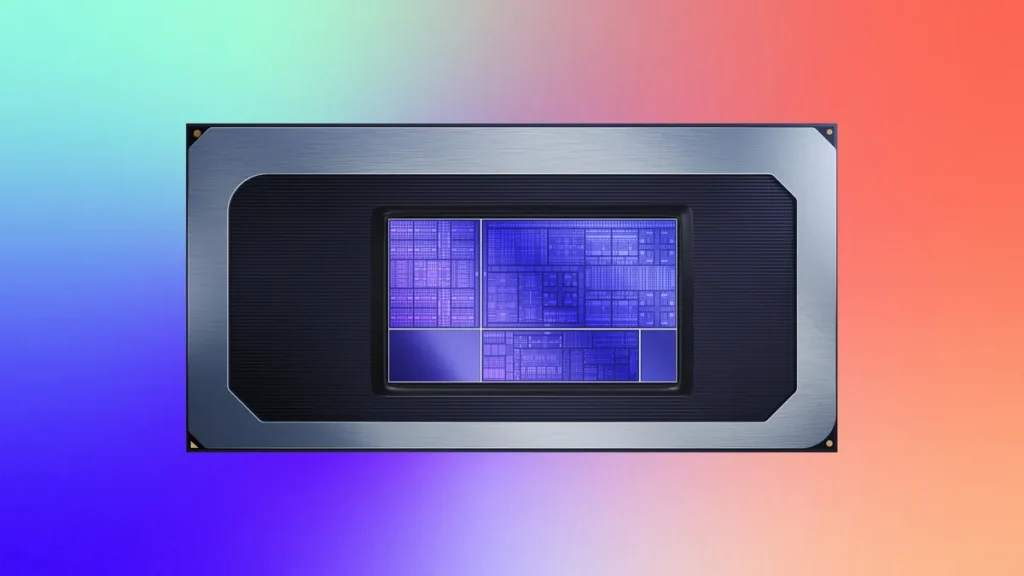
These mobile chips emphasize on-device AI, with improved NPU efficiency, higher core counts, and enhanced graphics (Xe3 Arc). Intel claims significant gains: up to 77% better gaming performance and twice the LLM throughput versus prior generations. Systems began shipping by late January 2026.
For Intel, Panther Lake represents a comeback in the AI PC race, challenging AMD and Qualcomm in laptops and edge devices. As on-device AI becomes essential for privacy-focused applications like real-time personalization, this launch strengthens Intel’s ecosystem play and signals renewed US chip manufacturing momentum.
3. Google & Qualcomm Partner on AI-Powered Vehicles
Building on a decade-long collaboration, Google and Qualcomm expanded their partnership to accelerate software-defined vehicles (SDVs). The focus: integrating Snapdragon Digital Chassis with Google’s Android Automotive OS and AI tools for real-time personalization, multi-modal interfaces, and proactive safety features.
Announcements included new design wins with automakers like Li Auto, Leapmotor, and Zeekr. This deep integration enables agentic AI in cars anticipating driver needs while blending on-device and cloud processing.
The move highlights AI’s shift into mobility, where vehicles become intelligent, adaptive spaces. As autonomy and in-car experiences evolve, this alliance could standardize AI-driven automotive platforms, reducing fragmentation and speeding adoption.
4. Lenovo Debuts “Qira” AI Agent Platform
At its Tech World event in the Las Vegas Sphere, Lenovo introduced Qira, a personal ambient intelligence system (also branded Motorola Qira on phones). This cross-device “super agent” perceives, reasons, and acts across PCs, tablets, smartphones, and wearables, orchestrating tasks with user permission.
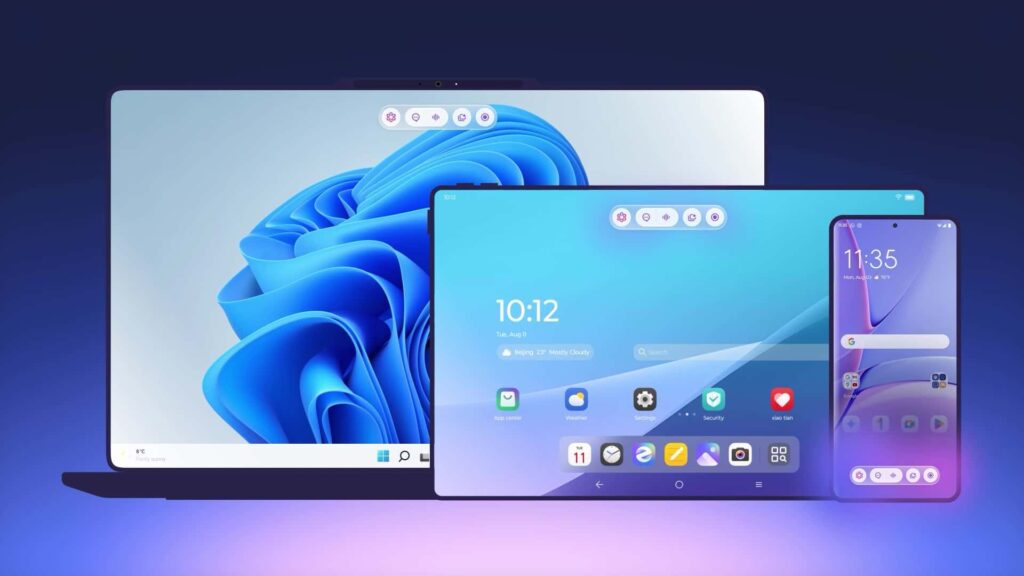
Qira builds a “fused knowledge base” from interactions and documents, enabling proactive assistance like real-time translations or app coordination. It rolls out on select Lenovo devices in Q1 2026, with expansions to Motorola products.
Lenovo’s vision of “one AI, multiple devices” addresses fragmentation in personal AI. By prioritizing trust, opt-in memory, and offline capabilities, Qira positions itself as a practical, privacy-conscious alternative to fragmented assistants potentially redefining hybrid work and daily life.
5. AMD Reveals Next-Gen AI PC & Data Center Chips
AMD countered with its Ryzen AI 400 Series for AI PCs (featuring a 60 TOPS NPU) and expanded Instinct MI400 Series accelerators, including the MI440X for enterprise and previews of the MI500 (targeting 2027 with massive gains). The “Helios” rack-scale platform promises up to 3 exaflops per rack.
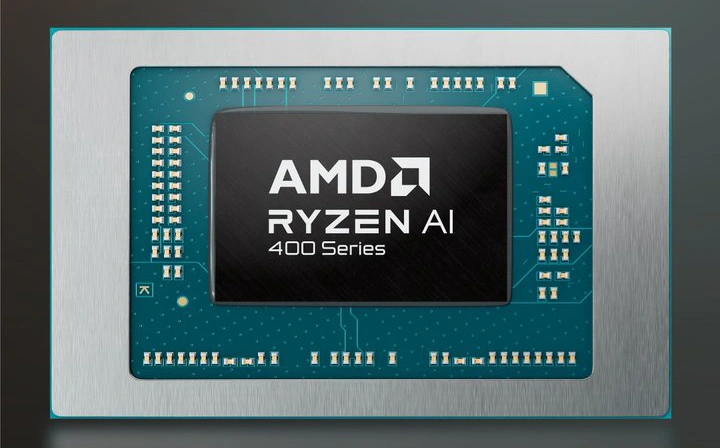
AMD emphasized openness (full ROCm support) and diversification, appealing to hyperscalers seeking alternatives to NVIDIA. Systems with Ryzen AI 400 began shipping in January 2026.
This positions AMD as a strong challenger in both client and data center AI, highlighting efficiency and ecosystem flexibility amid surging demand.
6. Humanoid Robots for Home & Industry
CES 2026 became a robotics showcase, with practical humanoids targeting real-world tasks:
- LG CLOiD: A wheeled home assistant that folds laundry, loads dishwashers, and coordinates with appliances.
- Hyundai/Boston Dynamics: Electric Atlas debuted for industrial safety roles.
- SwitchBot Onero H1: An accessible wheeled humanoid for chores like making coffee or cleaning windows.
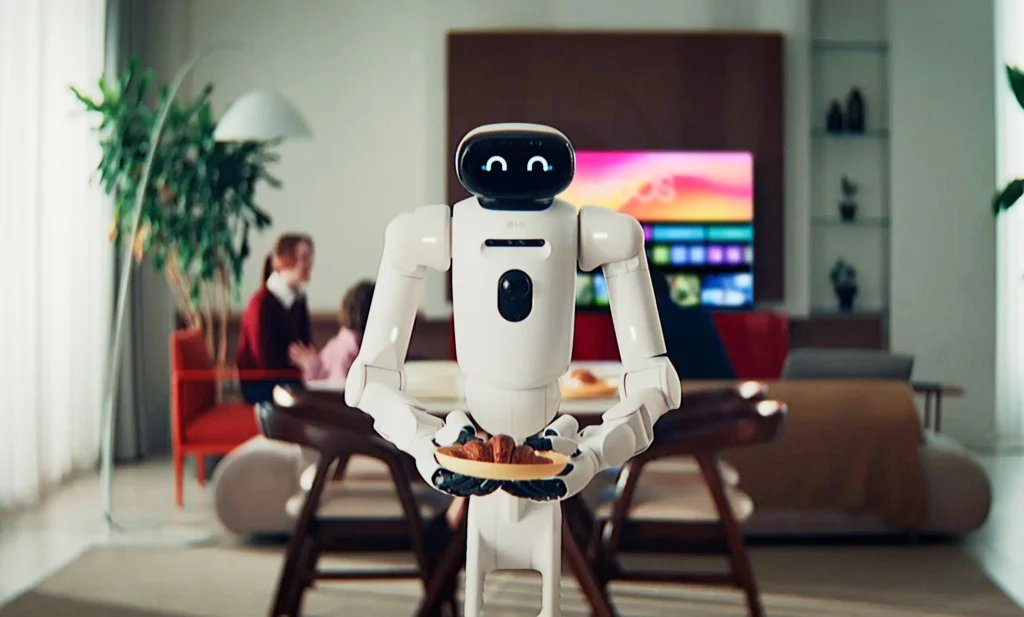
These demos emphasized on-device AI for dexterity and adaptation, moving beyond prototypes toward deployable helpers.
Robotics is entering homes and factories, driven by embodied AI. While slow and limited (mostly wheeled), these launches signal progress toward reducing mundane labor though challenges like cost, reliability, and ethics remain.
7. China Targets “Emotional AI” with New Regulations
China’s cyber regulator released draft rules for AI simulating human personalities or emotional interactions (e.g., companions). Providers must monitor for “emotional dependence” and addiction, require clear AI disclosures, intervene in extreme cases, and align with socialist values.
Open for comment until late January 2026, these measures address psychological risks in the booming companion market.
This proactive stance contrasts with lighter Western approaches (e.g., California’s SB 243), potentially influencing global norms as emotional AI grows. It reflects Beijing’s dual focus: advancing domestic AI while mitigating social harms.
8. The Rise of “Ambient” AI Wearables
Screenless AI hardware surged, with Meta, XREAL, and Rokid showcasing smart glasses for real-time translation, recording, and voice interfaces. Rokid’s Style glasses offered lightweight, all-day wear with strong AI features at a competitive price.
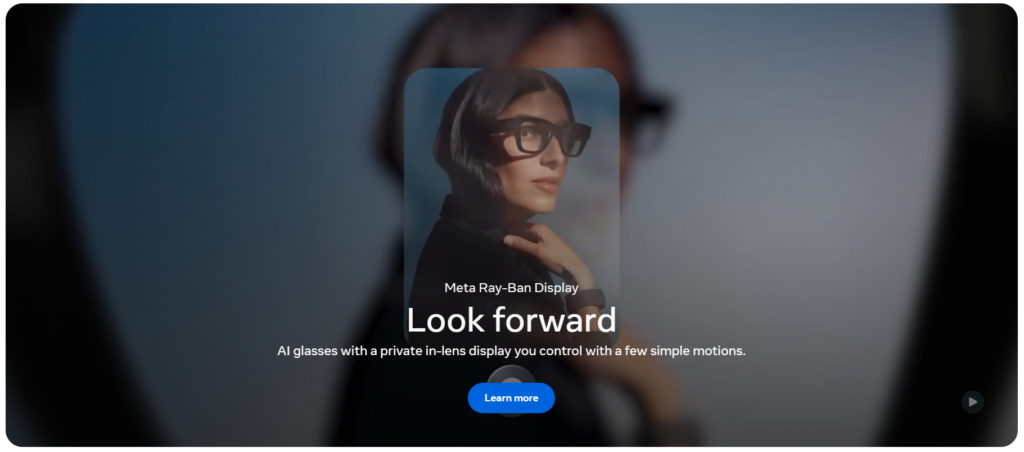
Startups introduced “Wearphones” and pendants as private, hands-free note-takers.
Ambient computing is arriving: AI that fades into the background, always listening and assisting without screens. These wearables promise proactive, context-aware help potentially reducing phone dependency, but raise privacy and social concerns.
Looking Ahead
The week underscored AI’s maturation: from infrastructure (NVIDIA/AMD/Intel) to embodiment (robots) and seamless integration (agents/wearables). Yet China’s regulations remind us that rapid progress demands ethical guardrails.
2026 is shaping up as the year AI moves from novelty to necessity pervasive, physical, and personal. The race is on, but so is the conversation about responsible deployment.