





Pakistan among top 10 countries facing acute food crisis – Dawn
-
Tapas Pal / 6 months
- April 26, 2026
- 0
- 13 min read

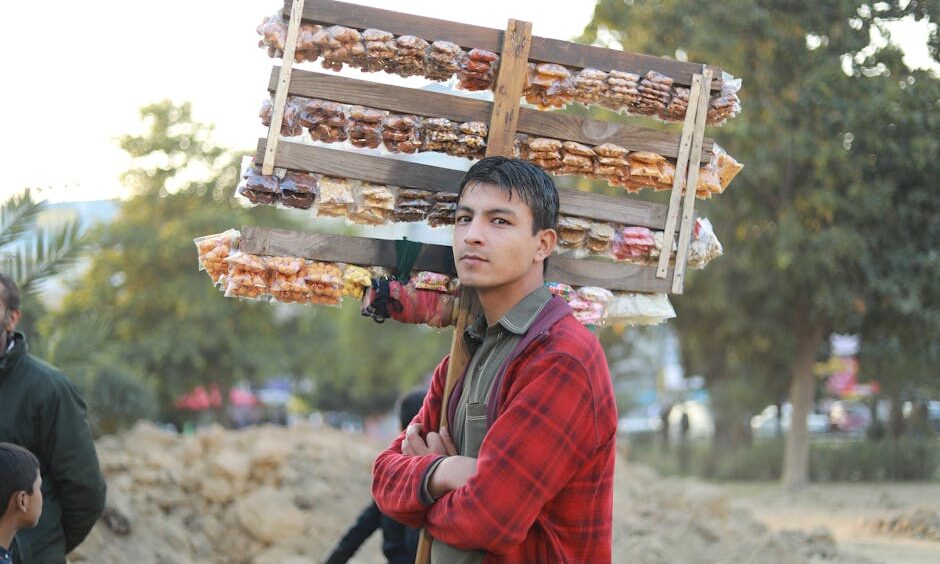
Pakistan is currently facing an acute food crisis, placing it among the top ten countries globally most affected by severe food insecurity. Millions across the nation are struggling to access sufficient, nutritious food, a situation exacerbated by a confluence of economic instability, climate disasters, and persistent structural vulnerabilities. The crisis presents an urgent humanitarian challenge with profound long-term implications for health, development, and social stability.
Background
Pakistan's journey towards its current food crisis is rooted in a complex interplay of historical vulnerabilities, economic fragility, and escalating climate change impacts. For decades, the nation has grappled with high rates of poverty, rapid population growth, and an agricultural sector often struggling with inefficiency and underinvestment. These underlying issues created a precarious food security landscape, susceptible to external shocks.
Chronic macroeconomic instability has been a significant contributor. Pakistan has frequently faced balance of payments crises, high inflation, and currency devaluation. These economic challenges directly impact the affordability of food and agricultural inputs, particularly for a country that relies on imports for certain staples and essential components like fertilizers. The erosion of purchasing power due to inflation means that even when food is available, it remains out of reach for a substantial portion of the population.
Climate change has emerged as a catastrophic force, pushing an already vulnerable system to its breaking point. Pakistan is consistently ranked among the countries most susceptible to the adverse effects of a changing climate. The devastating floods of 2022 serve as a stark reminder of this vulnerability. These unprecedented monsoon rains submerged one-third of the country, affecting over 33 million people and causing an estimated $30 billion in damages and economic losses. The floods destroyed vast swathes of agricultural land, washed away standing crops of wheat, rice, and cotton, and decimated livestock populations, which are a critical asset for rural communities. Infrastructure, including roads and storage facilities, was also severely damaged, disrupting vital supply chains.
Beyond the 2022 floods, Pakistan has experienced a pattern of extreme weather events, including prolonged heatwaves, unseasonal torrential rains, and recurrent droughts, particularly in arid regions like Balochistan and Sindh. These events directly impact crop yields, reduce water availability for irrigation, and contribute to soil degradation. The country's heavy reliance on a few major crops, like wheat, makes its food security highly sensitive to these climatic shocks.
The agricultural sector itself, despite being the backbone of the economy, suffers from structural weaknesses. Outdated farming practices, limited access to modern technology, inefficient water management systems, and a fragmented landholding structure contribute to lower yields compared to regional counterparts. A lack of investment in post-harvest infrastructure, such as cold storage and efficient transportation, leads to significant food losses. Furthermore, an often-inefficient market system, characterized by the dominance of middlemen, can inflate prices for consumers while offering inadequate returns to farmers.
Geopolitical factors and global market dynamics have also played a role. Fluctuations in international food and energy prices, exacerbated by events like the conflict in Ukraine, have directly impacted Pakistan's import bill and domestic food costs. The global economic slowdown and tightening financial conditions have further constrained the government's fiscal space to implement robust social safety nets or agricultural support programs. This confluence of factors has created a perfect storm, transforming a chronic vulnerability into an acute crisis.
Key Developments
The food crisis in Pakistan has intensified dramatically over recent years, driven by a series of interconnected developments, particularly in the wake of the 2022 floods. The immediate aftermath of the floods left millions in dire straits. Vast agricultural lands, especially in Sindh and Balochistan, remained submerged for months, delaying planting cycles and destroying winter crops. The loss of homes, livelihoods, and critical infrastructure plunged communities into deeper poverty and food insecurity. International aid poured in, but the scale of the disaster meant that recovery efforts have been slow and uneven, leaving many still reliant on humanitarian assistance.
One of the most critical developments has been the relentless surge in food inflation. Throughout 2023, Pakistan witnessed unprecedented increases in the prices of essential commodities. For instance, the price of wheat flour, a staple for most Pakistani households, rose by over 100% year-on-year in many urban and rural centers. Similarly, the costs of cooking oil, sugar, pulses, and vegetables saw significant spikes, often exceeding general inflation rates. In January 2023, food inflation reached a staggering 48.1% in urban areas and 52.2% in rural areas, hitting a record high. This hyperinflation has severely eroded the purchasing power of low-income households, forcing them to compromise on the quantity and quality of food consumed. Many families now skip meals, reduce portion sizes, or opt for cheaper, less nutritious alternatives.
Government policies and interventions have struggled to keep pace with the escalating crisis. In an effort to stabilize prices and ensure supply, the government has resorted to significant wheat imports. However, these imports often come at a high cost due to global market prices and currency depreciation, adding pressure to the national exchequer. Subsidies on essential commodities have been implemented intermittently, but their effectiveness is often hampered by leakage, administrative inefficiencies, and insufficient funding to cover the entire needy population. For example, specific initiatives to provide subsidized flour were launched in Punjab and Sindh, but reports of long queues, limited availability, and challenges in reaching the most vulnerable persisted.
Pakistan's social safety net programs, primarily the Benazir Income Support Program (BISP) and the Ehsaas program, provide cash transfers to millions of deserving families. While these programs are vital in mitigating extreme poverty, their current allocations and reach are often insufficient to counteract the severe impact of hyperinflation on food security. The value of the cash transfers has been eroded by inflation, meaning families receive less real purchasing power for food. Efforts to expand these programs are ongoing, but face significant fiscal constraints.
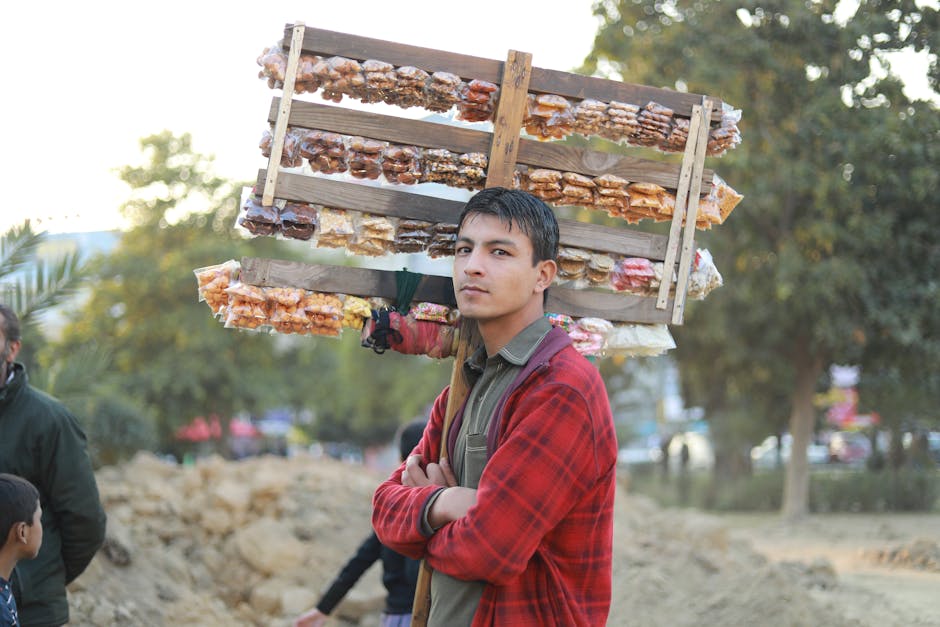
International reports and warnings have consistently highlighted Pakistan's deteriorating food security situation. Organizations like the World Food Programme (WFP), the Food and Agriculture Organization (FAO), and various UN agencies have repeatedly issued alerts. For example, the Global Report on Food Crises (GRFC), a flagship publication of the Food Security Information Network (FSIN), has consistently included Pakistan among the top countries facing acute food insecurity. These reports often cite figures indicating millions of people experiencing IPC (Integrated Food Security Phase Classification) Phase 3 (Crisis) or Phase 4 (Emergency) levels of food insecurity. Specific data points frequently referenced include the number of people requiring urgent food assistance, the prevalence of acute malnutrition among children, and the projected increase in food-insecure populations. These reports underscore the urgency of the situation and serve as a critical call to action for both national and international stakeholders.
Furthermore, internal political instability and frequent changes in government have at times hindered the development and consistent implementation of long-term food security strategies. Policy continuity is crucial for addressing such a multifaceted challenge, but it has often been elusive amidst a turbulent political landscape. The ongoing energy crisis, characterized by frequent power outages and rising fuel costs, also impacts the agricultural sector by increasing operational costs for irrigation and transportation, further contributing to food price inflation. These recent developments collectively paint a grim picture of a nation struggling on multiple fronts to feed its population.
Impact
The acute food crisis in Pakistan has unleashed a devastating impact across all segments of society, but it disproportionately affects the most vulnerable populations. The consequences extend far beyond mere hunger, permeating health, education, social cohesion, and the broader economy.
Vulnerable Populations:
The brunt of the crisis is borne by several distinct groups. Rural poor, particularly smallholder farmers, landless laborers, and communities still recovering from the 2022 floods, face severe livelihood losses. Many lost their crops, livestock, and homes, leaving them without income or assets. In flood-affected districts of Sindh, such as Dadu, Qambar Shahdadkot, and Badin, and parts of Balochistan like Lasbela and Jafarabad, recovery has been painstakingly slow, leaving millions dependent on external aid.
The urban poor are equally hard-hit. Daily wage earners, informal sector workers, and those with fixed incomes find their meager earnings quickly consumed by soaring food prices. Cities like Karachi, Lahore, and Faisalabad have witnessed an increasing number of families struggling to afford basic staples, leading to desperate measures.
Women and children are particularly vulnerable. Women often eat last and least, sacrificing their nutritional needs for their families. Pregnant and lactating women face heightened risks of malnutrition, which in turn impacts fetal development and infant health. Children, especially those under five, are suffering from alarmingly high rates of malnutrition. Pakistan already had one of the highest rates of stunting (chronic malnutrition) globally, and the current crisis is exacerbating this. Acute malnutrition (wasting) is also on the rise, making children more susceptible to infections and developmental delays. A significant proportion of children in flood-affected areas, for example, were found to be acutely malnourished in post-disaster assessments.
Health and Nutrition:
The most direct impact is on public health and nutrition. Widespread food insecurity leads to increased rates of malnutrition across all age groups. Children suffer from stunting, wasting, and micronutrient deficiencies (e.g., iron deficiency anemia, vitamin A deficiency), which impair their physical and cognitive development, leading to lifelong consequences. Malnourished individuals, especially children, have weakened immune systems, making them highly susceptible to preventable diseases like diarrhea, pneumonia, and malaria. Healthcare facilities, already stretched thin, face an influx of patients suffering from nutrition-related illnesses. The long-term effects include reduced productivity, lower educational attainment, and increased healthcare burdens for the nation. Maternal mortality rates can also be impacted by poor nutrition among pregnant women.
Social and Economic Consequences:
The food crisis fuels a vicious cycle of poverty and inequality. Families are forced to adopt negative coping mechanisms, such as selling productive assets (livestock, land), taking on debt, or reducing non-food expenditures like healthcare and education. Many children are pulled out of school to work and contribute to household income, perpetuating intergenerational poverty. This creates a lost generation with limited opportunities.
Social unrest and crime related to scarcity are also potential consequences. Reports of stampedes at subsidized food distribution points, such as those witnessed in Punjab in early 2023, underscore the desperation and fragility of social order under extreme pressure. Increased migration, both internal (from rural to urban areas) and external (seeking opportunities abroad), becomes a coping strategy, placing further strain on urban infrastructure and potentially leading to brain drain.
The crisis also strains public services. Healthcare systems are overwhelmed, social welfare programs face immense pressure, and educational institutions see declining enrollment and performance due to hunger and economic hardship. The overall economic productivity of the nation is reduced as a significant portion of its workforce is undernourished and less capable.
Regional Disparities:
The impact is not uniformly distributed across Pakistan. Provinces like Sindh and Balochistan, already characterized by higher poverty rates and greater vulnerability to climate change, have been disproportionately affected. The lingering effects of the 2022 floods are still palpable in these regions, with many communities yet to fully recover. Southern Punjab, another area heavily impacted by the floods and with significant agricultural dependence, also faces severe challenges. Remote and marginalized communities, often with limited access to markets, information, and government services, experience the most severe forms of food deprivation. These regional disparities exacerbate existing inequalities and can fuel regional grievances. The crisis thus deepens existing fault lines within Pakistani society, making a cohesive national response even more challenging.
What Next
Addressing Pakistan's acute food crisis requires a multi-pronged approach encompassing immediate humanitarian relief, medium-term resilience building, and long-term structural reforms. The path forward involves concerted efforts from the government, international partners, and civil society to mitigate the current suffering and prevent future recurrences.
Short-Term Needs:
The immediate priority remains urgent humanitarian aid and targeted food assistance for the most vulnerable populations. This includes expanding emergency food distribution programs, increasing the reach of cash transfer initiatives like BISP, and providing nutritional supplements for malnourished children and pregnant women. Expedited delivery of essential agricultural inputs such as seeds, fertilizers, and livestock feed is crucial to help farmers quickly restore their livelihoods, especially for upcoming planting seasons. Measures to stabilize food prices, potentially through strategic reserves and controlled imports of essential commodities, are also critical to ensure basic affordability. This requires effective market monitoring and intervention to curb speculative practices.
Medium-Term Strategies:
Building resilience into Pakistan's food system is paramount. A key focus must be on climate-resilient agriculture. This involves promoting drought-resistant crop varieties, developing salt-tolerant crops for flood-affected areas, and investing in modern, efficient irrigation techniques like drip and sprinkler systems to conserve water. Strengthening water management infrastructure, including small dams and water storage facilities, is essential. Diversification of crops, moving away from over-reliance on a few staples, can reduce vulnerability to specific crop failures. Investment in research and development for improved agricultural practices and technologies is also vital.
Strengthening and expanding social safety nets is another critical component. This includes increasing the value and coverage of cash transfer programs to adequately account for inflation and reach more deserving families. Implementing early warning systems for climate disasters, coupled with effective disaster preparedness and response mechanisms, can help mitigate future shocks. Improving food storage facilities at national and local levels, along with enhancing supply chain efficiency through better road networks and cold chain infrastructure, can reduce post-harvest losses and ensure smoother distribution. Promoting small-scale livestock rearing and fisheries can also diversify rural incomes and enhance local food security.
Long-Term Policy Reforms:
Sustainable food security hinges on broader, long-term policy reforms. Achieving macroeconomic stability is fundamental to controlling inflation, ensuring a stable currency, and fostering an environment conducive to investment. This involves fiscal discipline, prudent monetary policy, and structural economic adjustments.
Agricultural policy reforms are essential to unlock the sector's full potential. This includes reviewing land tenure systems, improving access to agricultural credit for small farmers, and reforming market mechanisms to ensure fair prices for both producers and consumers. Investing in agricultural extension services can help disseminate modern farming techniques and climate-smart practices.
Addressing population growth through comprehensive family planning programs and improved access to education and healthcare is crucial for balancing resource availability with demand. Long-term investment in human capital development, including education and skill-building, can help break cycles of poverty and improve livelihoods beyond agriculture.
International cooperation will remain vital. Pakistan needs continued support for climate adaptation funding, technical assistance for agricultural development, and humanitarian aid. Collaborations with international organizations like the World Food Programme (WFP), Food and Agriculture Organization (FAO), International Fund for Agricultural Development (IFAD), World Bank, and Asian Development Bank (ADB) are crucial for implementing large-scale projects and sharing best practices.
Government Commitments and International Support:
The Pakistani government has expressed commitments to food security, often outlined in national development plans and budget allocations. Initiatives like the National Food Security Policy aim to guide efforts, but their implementation requires sustained political will and adequate financial resources. International partners have pledged support for flood recovery and resilience building, with conferences such as the International Conference on Climate Resilient Pakistan in Geneva (2023) mobilizing significant commitments. However, translating these pledges into tangible action and ensuring efficient, transparent utilization of funds remains a challenge. The effectiveness of these interventions will depend on robust governance, coordinated efforts across ministries, and meaningful engagement with affected communities. The journey to overcome this crisis is long and arduous, demanding a sustained, strategic, and collaborative approach to ensure food security for all Pakistanis.