




CEOs Doubling Down on AI in 2026: Navigating Strategy, ROI, & Road Ahead
-
admin / 9 months

- December 15, 2025
- 0
- 5 min read

As we approach 2026, the artificial intelligence landscape in corporate boardrooms is buzzing with a mix of excitement and caution. Despite patchy early returns and mounting costs, CEOs are not pulling back, they’re accelerating investments. A recent survey reveals that 68% of chief executives plan to ramp up AI spending in 2026, viewing it as essential for long-term survival rather than a fleeting trend. But this persistence comes amid growing scrutiny: How do you balance bold strategies with tangible ROI? In this blog, we’ll unpack the drivers behind this AI fervor, the real-world hurdles, and emerging perspectives that could redefine enterprise success. Whether you’re a C-suite leader or an AI enthusiast, these insights offer a roadmap to turn hype into high-impact results.
The Unwavering Surge in AI Investments
Enterprise AI spending is set to skyrocket in 2026, with global projections topping $2 trillion, according to analyst forecasts. This isn’t blind faith; it’s driven by competitive pressures and a fear of obsolescence. In Teneo’s Vision 2026 survey, featured in the Wall Street Journal, 68% of CEOs signaled plans to increase budgets, prioritizing AI as a core driver of resilience and growth. Investors echo this sentiment, with over $19 trillion in assets under management betting on AI’s transformative potential.
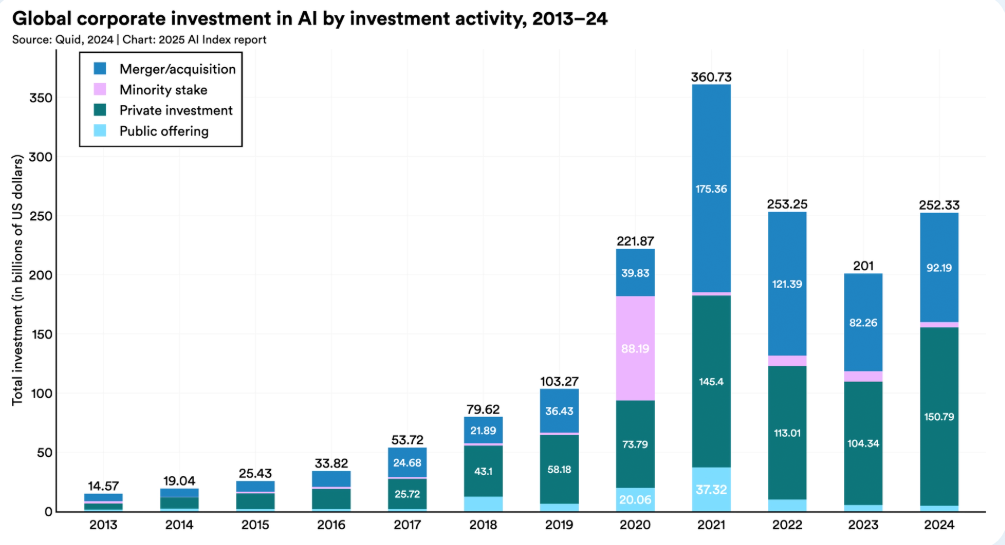
Why the enthusiasm? AI is no longer a “nice-to-have.” It’s reshaping industries from finance to manufacturing. For instance, generative AI tools are automating routine tasks, freeing up resources for innovation. Yet, this surge persists even as some executives admit to “spotty returns,” as highlighted in a Slashdot report on WSJ data. Leaders see AI as a marathon, where early investments build moats against rivals. A fresh angle: AI is sparking a hiring rebound, particularly for entry-level roles. Business Insider notes that 67% of surveyed CEOs expect AI to boost junior hires by automating grunt work and creating demand for oversight positions. This counters the narrative of job displacement, suggesting AI could revitalize talent pipelines.
Helpful tip for readers: If your organization is budgeting for 2026, allocate 10-20% of tech spend to AI, as per CEOWORLD data, but tie it to specific KPIs like productivity gains.
ROI Realities: Where Returns Fall Short
The elephant in the room? Measuring AI’s value remains elusive. While pilots dazzle with quick wins like chatbots slashing customer service times, enterprise-wide ROI often lags. Thomson Reuters outlines an ROI framework emphasizing efficiency, output quality, and strategic benefits, yet many firms struggle with fragmented data and integration costs.
A Reuters analysis warns that infrastructure expenses can eclipse benefits, with AI capex projected to hit $600 billion by 2027. Enterprises face “investment indigestion,” as global funds fear over saturation without clear payoffs. Fresh perspective: The AI boom is masking broader economic vulnerabilities, per Reuters, where stock market highs hide underlying risks like debt in data centers. This duality means CEOs must justify spends not just to boards, but to markets wary of bubbles.
Engaging insight: Think of AI ROI like planting a tree. Initial costs are high, but compound growth emerges over time. Deloitte’s Tech Trends 2026 report stresses scaling for impact, moving beyond experiments.
Scaling Pilots: The Leap to Enterprise Impact
One persistent challenge is transitioning from siloed pilots to scalable systems. Ecosystem’s top trends for 2026 highlight that AI projects survive on near-term impact, not lofty promises. Issues like poor data quality, legacy system integrations, and regulatory hurdles stall progress, as noted in Reuters events on AI transformation.
A novel view: HR data is becoming pivotal for AI-driven workflows. By integrating employee insights, firms can personalize tools, boosting adoption. Lucidworks’ adoption trends reveal that while 70% of organizations use genAI, gaps in strategy hinder full value. For leaders, this means fostering cross-functional teams to bridge silos.
Infrastructure Demands: The Hidden Cost Driver
AI’s appetite for compute power is reshaping budgets. Cloud costs spiral as models grow, forcing choices between in-house builds and vendor reliance. Gartner forecasts AI spend at $2 trillion in 2026, driven by data centers and energy needs. Reuters spotlights debt hotspots in AI infrastructure, with surges in issuance signaling risks ahead.
Fresh take: Agentic AI, autonomous agents handling complex tasks will dominate, per Forbes. This shifts focus from raw spending to efficient architectures, like composable ERP systems outlined in Third Stage Consulting’s trends. Tip: Opt for hybrid clouds to mitigate lock-in and control costs.
Governance Takes Center Stage
As investments swell, AI governance is evolving from afterthought to CEO priority. Credo AI’s 2026 playbook emphasizes closing governance gaps to prevent incidents and build trust. Dell’s CTO predicts “governance” will decide AI’s fate, with Chief AI Officers (CAIOs) leading risk management.
Vistage urges integrating AI into strategic plans urgently. A new lens: Ethical AI, including bias mitigation and transparency, will differentiate winners. Cynomi’s state of governance forecasts statutory requirements in 2026, pushing voluntary frameworks to mandates.
Resetting Expectations for Sustainable Value
CEOs are recalibrating: AI isn’t a quick win but a foundational shift. PwC’s 2026 predictions advocate focused strategies and responsible innovation for transformative value. IBM’s trends note governments increasing AI spends, accepting risks for rewards.
Unique perspective: Open governance frameworks and composable AI will rise, per Medium, enabling flexible, ethical deployments. This fosters agility, turning AI from cost center to growth engine.
Outlook for 2026: Strategic Advice for Leaders
Heading into 2026, success hinges on integration, not isolation. Prioritize agentic platforms, HR-aligned workflows, and robust governance. Fortune warns CEOs must prove AI drives growth, not just cuts. Engage stakeholders early, measure incrementally, and iterate.
In essence, AI’s promise is real, but realization demands discipline. By blending strategy with scrutiny, enterprises can unlock enduring advantages. What’s your AI game plan for 2026? Share in the comments let’s discuss how to make bets pay off.