




AI News Today (January 7, 2026) Top AI News and Breakthroughs
-
Avick kumar Dey / 9 months

- January 7, 2026
- 0
- 5 min read

Jan 5 (AI News Update)- AI enthusiasts! As CES 2026 kicks into high gear and the world recovers from holiday mode, today delivered a flurry of groundbreaking announcements that signal 2026 could be the year AI truly reshapes everyday life- from smarter devices and massive infrastructure deals to health breakthroughs and sobering warnings about risks ahead.
Buckle up: here’s your in-depth roundup (January 7, 2026) of the biggest AI stories, now broken down with key takeaways and implications.
1. Intel Launches Core Ultra Series 3: America’s Most Advanced AI PC Chips Yet
Intel stole the show at CES with the debut of its Core Ultra Series 3 processors (codenamed Panther Lake), the first AI PC platform built on the cutting-edge Intel 18A process node designed and manufactured entirely in the US. These chips promise superior performance, integrated Arc graphics, and robust AI capabilities, with some models boasting up to 50 TOPS NPU power for multitasking, gaming, and creation.
Key highlights
- Built on Intel’s 18A process node, designed and manufactured entirely in the US
- Integrated Arc graphics for gaming, creative work, and AI workloads
- Dedicated NPU delivering up to 50 TOPS, enabling on-device AI tasks
- Optimized for multitasking, generative AI, video editing, and productivity
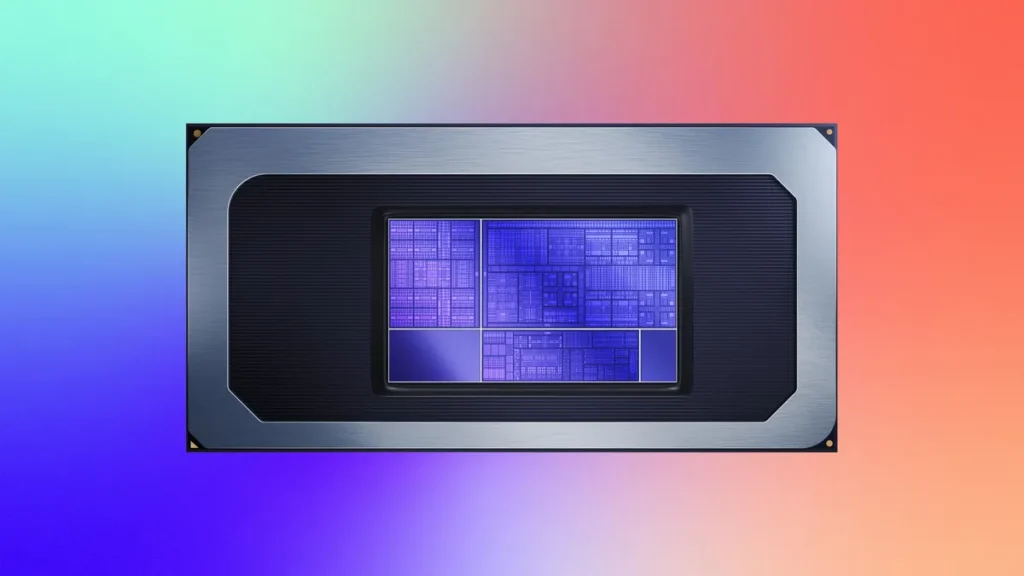
Pre-orders start soon, with laptops arriving by late January and edge systems in Q2. This launch marks a potential comeback for Intel in the AI race.
2. Lenovo & Motorola Unveil Qira: Your Personal Ambient AI
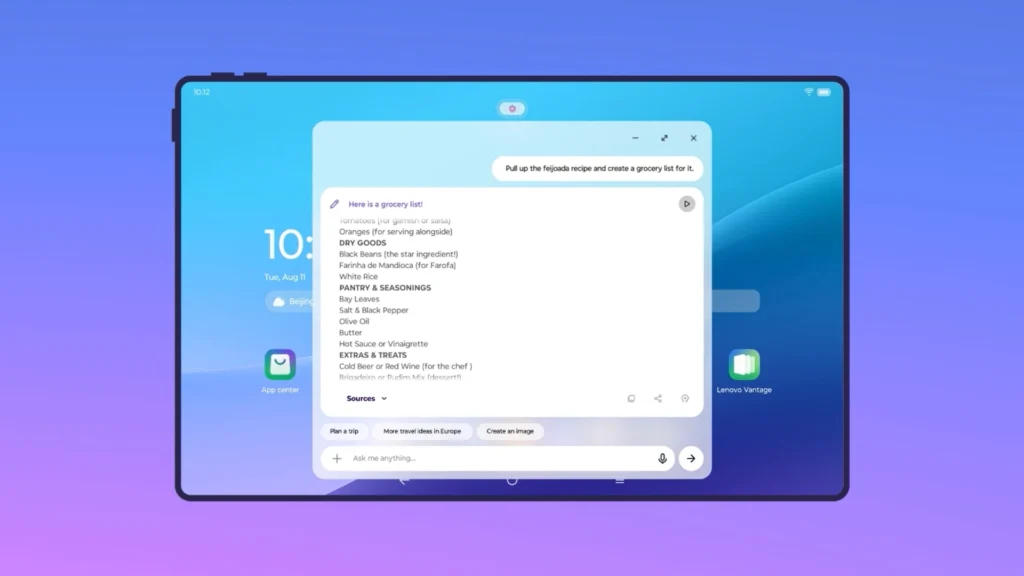
Imagine an AI that seamlessly follows you from phone to laptop to wearable, handling contextual tasks like file transfers or trip planning without opening apps. That’s Qira, the new Personal Ambient Intelligence system from Lenovo and Motorola, launched at CES.
What Qira does
- Seamlessly follows users across devices
- Handles tasks like:
- File transfers between devices
- Trip planning
- Context-aware reminders
- Operates without needing to open individual apps
Privacy-first approach
- Builds a fused personal knowledge base only with user consent
- Processes data securely across the Lenovo-Motorola ecosystem
It’s not just a chatbot, Qira builds a fused knowledge base with user permission, prioritizing privacy and rolling out in Q1 2026 on select devices.
3. Massive $5.4B Deal Fuels xAI’s Next-Gen Grok Training with NVIDIA GB200 GPUs
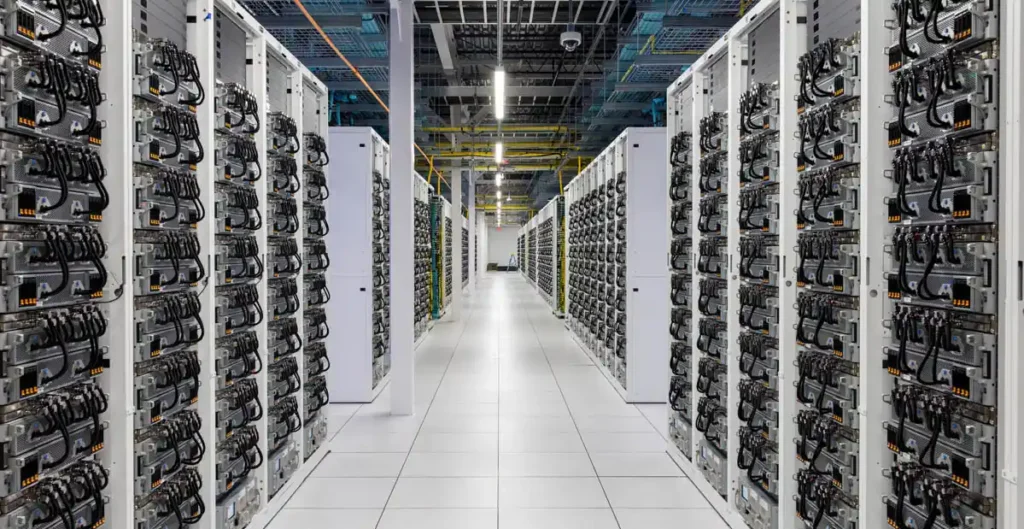
xAI just got a huge boost: Apollo Global Management led a $3.5B financing for a $5.4B data center infrastructure deal, including leasing cutting-edge NVIDIA GB200 GPUs to power advanced Grok model training. This underscores the skyrocketing investment in AI compute as companies race for frontier capabilities.
Deal breakdown
- $3.5B financing led by Apollo Global Management
- Total $5.4B data center infrastructure investment
- Includes leasing NVIDIA GB200 GPUs, among the most powerful AI accelerators available
The Bigger Picture
- AI model development is now a capital-intensive arms race
- Compute access may define who leads AI in the next decade
4. Infosys Teams Up with Cognition to Scale Devin, the AI Software Engineer
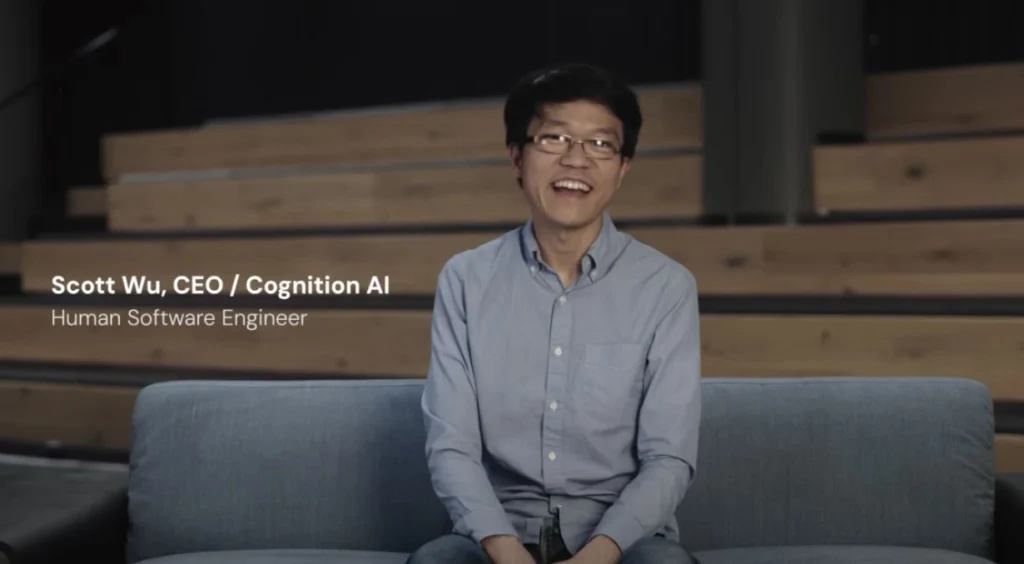
In a game-changer for enterprise coding, Infosys partnered with Cognition to deploy Devin the world’s first autonomous AI software engineer globally. Integrated with Infosys Topaz Fabric, Devin has already boosted internal productivity, promising faster development and reduced tech debt for clients.
What Devin can do
- Write, debug, test, and deploy code autonomously
- Work across entire software development lifecycles
- Integrates with Infosys Topaz Fabric AI platform
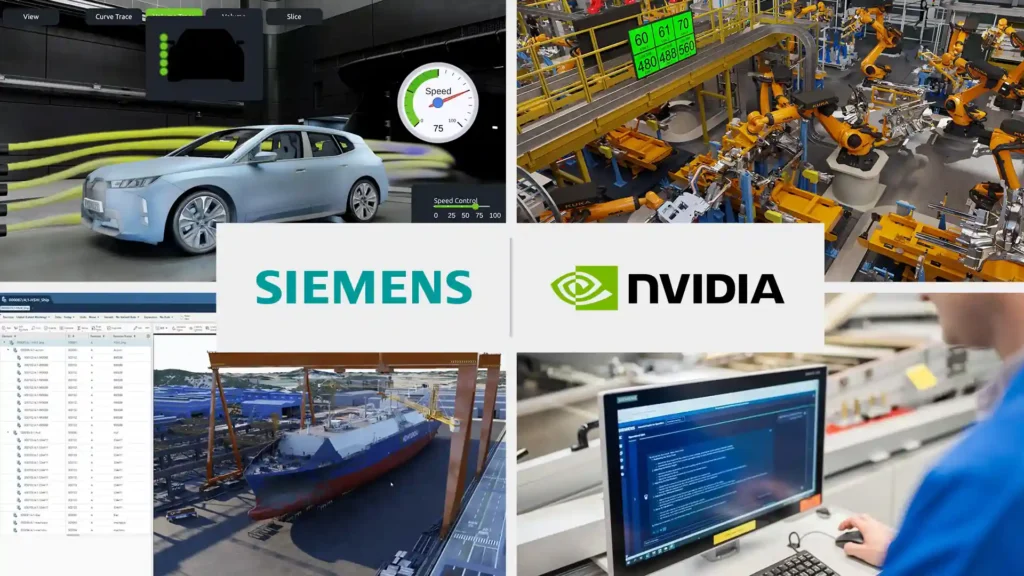
5. NVIDIA & Siemens Blueprint AI-Driven Factories Starting in Germany
NVIDIA and Siemens expanded their alliance to create an “Industrial AI Operating System,” aiming for fully adaptive manufacturing sites. The first blueprint factory launches in Erlangen, Germany, in 2026, using AI for design, simulation, and real-time operations.
Project details
- First blueprint factory launching in Erlangen, Germany (2026)
- AI used across:
- Factory design
- Digital twin simulation
- Real-time production optimization
- End goal: self-adapting, autonomous manufacturing sites
6. Stanford’s SleepFM: AI Predicts Over 100 Health Risks from One Night’s Sleep
A revolutionary breakthrough: Researchers unveiled SleepFM, a multimodal AI trained on 585,000+ hours of sleep data that forecasts risks for 130+ conditions like dementia, heart disease, and cancer from a single night’s recordings.
What makes it revolutionary
- Trained on 585,000+ hours of sleep data
- Analyzes signals like:
- Brain waves
- Heart rate
- Breathing patterns
- Predicts risk for 130+ conditions, including:
- Dementia
- Heart disease
- Certain cancers
7. VIPRE Warns: AI-Native Malware to Dominate Threats in 2026
Cybersecurity alerts are ringing: VIPRE predicts “AI-native” malware ecosystems, deepfake fraud-as-a-service, and automated IoT attacks will surge this year.

Predicted threats
- AI-native malware that:
- Adapts in real time
- Evades traditional detection
- Deepfake-powered fraud-as-a-service
- Automated attacks targeting IoT and smart infrastructure
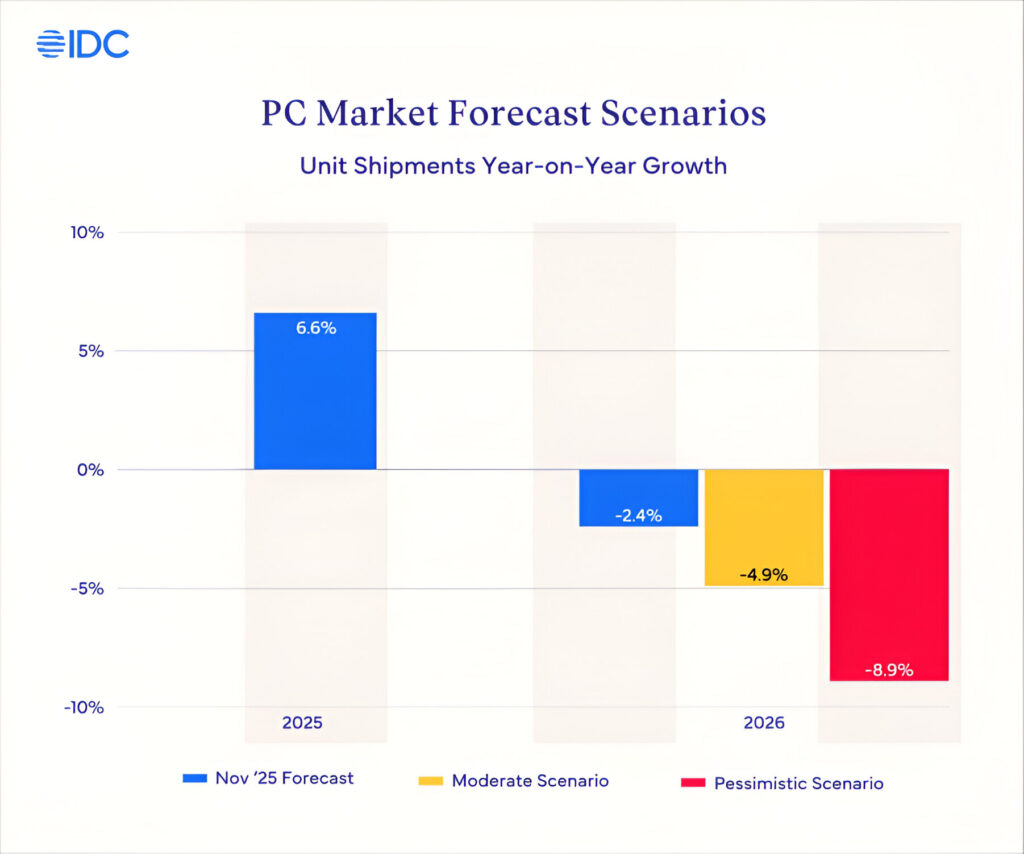
9. AI-Driven Memory Shortages Could Shrink PC Market by 9%
Sobering forecast: IDC warns AI-driven memory shortages may drive PC prices up 6-8% and shipments down nearly 9% in 2026, hitting consumer electronics hard.
Key predictions
- AI workloads driving severe memory shortages
- PC prices may rise 6–8%
- Global PC shipments could drop up to 9% in 2026
The Big Picture: What Does This Mean?
The developments from January 7, 2026, make one trend unmistakable: AI has officially moved beyond experimentation and entered the phase of real-world execution at scale. What began as Generative AI focused on content creation is now rapidly evolving into Applied, infrastructure-level AI that powers devices, factories, healthcare systems, and global compute networks.
From Intel’s AI-native PCs and Lenovo’s ambient personal AI, to xAI’s massive GPU-backed training push and NVIDIA–Siemens’ autonomous factories, AI is no longer confined to software it is being embedded into hardware, workflows, and physical environments. These systems don’t just assist; they operate, optimize, and decide.
At the same time, breakthroughs like Stanford’s SleepFM show AI crossing into deeply human domains such as preventive health, while warnings from IDC and cybersecurity firms remind us that scale brings strain on supply chains, prices, and digital security.
As CES 2026 progresses, the central question is no longer whether AI works, but how societies will absorb AI that acts, predicts, and operates continuously. From personal devices to enterprise systems, AI is shifting from a tool we use to an infrastructure we live on.
January 2026 marks the moment AI stopped being impressive and started becoming indispensable.