




Travelling In The Monsoon And Worried About Dengue? Take These 5 Precautions – News18
-
Tapas Pal / 2 months
- July 20, 2026
- 0
- 16 min read

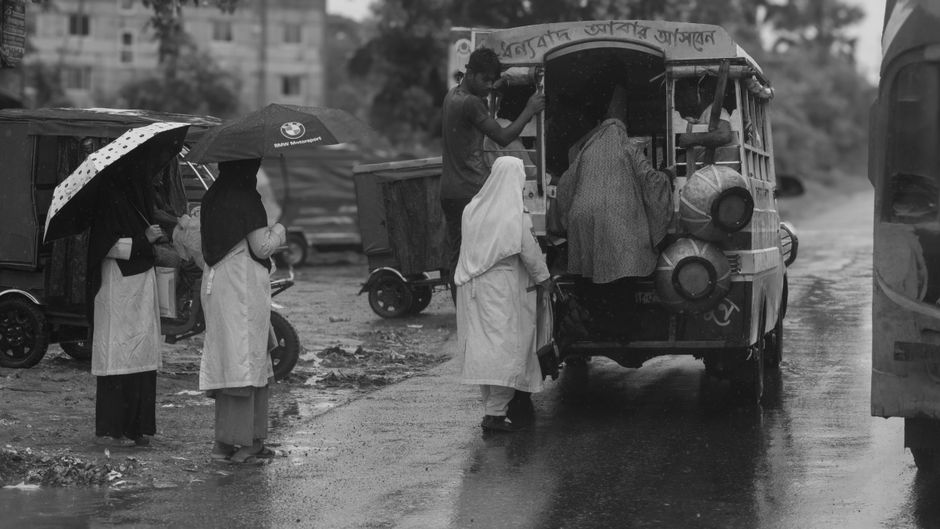
As the monsoon season sweeps across tropical and subtropical regions, bringing much-needed rain, it also ushers in an elevated risk of vector-borne diseases, particularly dengue fever. Travelers planning to visit dengue-endemic areas during this period, notably across India and Southeast Asia, are advised to adopt stringent preventive measures to safeguard their health against this prevalent mosquito-borne illness.
Background: Understanding Dengue and its Monsoon Link
Dengue fever, often referred to as “breakbone fever” due to the severe muscle and joint pain it can induce, is a viral infection transmitted to humans through the bite of infected mosquitoes. The primary vectors are the female Aedes aegypti mosquito, and to a lesser extent, Aedes albopictus. These mosquitoes are distinct from those transmitting malaria; they are active during the day, particularly during dawn and dusk.
The Dengue Virus and Its Serotypes
The dengue virus (DENV) belongs to the family Flaviviridae and has four distinct serotypes: DENV-1, DENV-2, DENV-3, and DENV-4. Infection with one serotype provides lifelong immunity to that specific serotype but confers only temporary and partial immunity against the others. A subsequent infection with a different serotype can significantly increase the risk of developing severe dengue, including dengue hemorrhagic fever (DHF) and dengue shock syndrome (DSS), which can be life-threatening.
Global Burden of Dengue
The World Health Organization (WHO) estimates that 100 to 400 million dengue infections occur worldwide each year. Dengue is endemic in over 100 countries, predominantly in tropical and subtropical climates, encompassing regions in Southeast Asia, the Western Pacific, the Americas, and Africa. The incidence of dengue has grown dramatically in recent decades, with a 30-fold increase in global cases over the last 50 years. This expansion is attributed to factors such as urbanization, increased global travel, and climate change, which facilitate the spread of both the virus and its mosquito vectors.
Monsoon Season: A Catalyst for Dengue Transmission
The monsoon season, typically spanning from June to September or October in many parts of Asia, creates ideal conditions for the proliferation of Aedes mosquitoes. These mosquitoes are container breeders, meaning they lay their eggs in small collections of stagnant fresh water. Monsoon rains provide an abundance of such breeding sites: discarded tires, flower pots, water coolers, open drains, construction sites, plastic containers, and even small puddles in urban and rural environments. Increased humidity and warmer temperatures during this period also accelerate the mosquito life cycle and enhance viral replication within the mosquito, leading to higher transmission rates. Peak dengue transmission often aligns with or immediately follows periods of heavy rainfall.
Historical Context in India and Southeast Asia
Dengue has been a persistent public health challenge in India and across Southeast Asia for many decades. Early records of dengue-like illnesses date back centuries, but the recognition of dengue as a distinct viral disease and its epidemic potential grew significantly in the 20th century. India, for instance, experienced a major dengue epidemic in Delhi in 1996, which served as a critical turning point in public health awareness and response. Since then, annual outbreaks of varying severity have become a regular feature, with different serotypes circulating and occasionally leading to severe disease clusters. Countries like Thailand, Vietnam, the Philippines, and Indonesia also report substantial dengue burdens annually, often peaking during their respective rainy seasons. The constant movement of people, including travelers, between these endemic regions contributes to the introduction and reintroduction of different serotypes, complicating control efforts.
Impact of Urbanization and Climate Change
Rapid and often unplanned urbanization contributes significantly to dengue prevalence. Dense populations, inadequate waste management, and intermittent water supply leading to household water storage practices create numerous breeding grounds for Aedes mosquitoes. Climate change further exacerbates the problem by expanding the geographical range of these mosquitoes to previously unaffected areas and prolonging transmission seasons due to altered rainfall patterns and rising temperatures. This global shift means that regions once considered low-risk are now facing emerging dengue threats, requiring adaptive public health strategies.
Key Developments: Current Landscape and Responses
The ongoing monsoon season of 2024 has seen various regions report an uptick in dengue cases, prompting heightened vigilance from health authorities and the public. This year’s situation is characterized by a combination of established challenges and evolving responses.
Current Dengue Situation in Affected Regions
Reports from major metropolitan areas in India, such as Delhi, Mumbai, Bengaluru, and Chennai, indicate a rise in dengue infections following initial monsoon showers. Similar trends are observed in parts of Southeast Asia, including provinces in Thailand and Vietnam, which are popular tourist destinations. Health ministries in these regions are closely monitoring case numbers, hospitalizations, and the circulation of specific dengue serotypes. For example, DENV-2 is often associated with more severe disease outcomes and has been a concern in recent outbreaks across several Asian countries. Data from municipal corporations and state health departments are being compiled to assess the severity and geographical spread of the current season’s outbreaks, often comparing current trends against five-year averages to identify significant deviations.
Government and Public Health Authority Responses
In response to the predictable seasonal surge, public health authorities have intensified their vector control programs. These initiatives typically include large-scale fogging operations in high-risk areas to kill adult mosquitoes, widespread application of larvicides in stagnant water bodies to prevent larval development, and regular house-to-house surveys to identify and eliminate potential breeding sites. Campaigns like India’s “Dengue Se Bachao” (Save from Dengue) and components of the “Swachh Bharat Abhiyan” (Clean India Mission) emphasize community participation in source reduction. Enhanced surveillance systems are in place to track cases, identify hotspots, and deploy rapid response teams. Healthcare facilities are being prepped with adequate bed capacity, diagnostic kits, and medical supplies to manage potential surges in patient admissions, focusing on early diagnosis and appropriate clinical management to prevent severe disease and fatalities.
Advancements in Diagnostics and Mosquito Control
Technological advancements continue to play a crucial role in dengue management. Improved rapid diagnostic tests (RDTs), such as NS1 antigen tests, allow for quicker identification of infections, facilitating early treatment and preventing disease progression. Polymerase Chain Reaction (PCR) tests offer higher sensitivity and can differentiate between dengue serotypes. In mosquito control, research is exploring innovative methods beyond traditional chemical spraying. These include the release of mosquitoes infected with Wolbachia bacteria, which can reduce the mosquito’s ability to transmit the dengue virus, and even genetically modified mosquitoes designed to be sterile or have reduced lifespans. While these are long-term strategies, they represent significant progress in vector management.
The Evolving Landscape of Dengue Vaccines
Vaccine development for dengue has been a complex endeavor due to the four serotypes and the risk of Antibody-Dependent Enhancement (ADE). The first dengue vaccine, Dengvaxia (Sanofi Pasteur), received approval in several countries for specific populations (seropositive individuals aged 9-45 in endemic areas). However, its use has been limited and controversial due to concerns about increased severe dengue risk in seronegative individuals after vaccination. More recently, Takeda’s Qdenga (TAK-003) has emerged as a promising alternative. This live-attenuated tetravalent vaccine has received approvals in regions like the European Union, the UK, Indonesia, Thailand, Brazil, and Argentina. Administered in two doses, Qdenga offers broader protection against all four serotypes and is being evaluated for wider implementation, including potential use in travelers. Other vaccine candidates are also in various stages of clinical trials, signaling a future where vaccination may play a more significant role in global dengue control.
Travel Advisories and Traveler Preparedness
International and national health organizations, including the WHO and the Centers for Disease Control and Prevention (CDC), routinely issue travel advisories for regions experiencing dengue outbreaks. These advisories emphasize personal protective measures for travelers visiting endemic areas. The increasing understanding of dengue dynamics, coupled with vaccine developments, is leading to more nuanced recommendations for travelers, including pre-travel consultations with healthcare providers to discuss individual risk factors and the suitability of available vaccines.
Impact: Who Is Affected and How
Dengue’s impact extends far beyond individual illness, affecting travelers, local populations, healthcare systems, and the broader economy of endemic regions.
Impact on Travelers
Travelers visiting dengue-endemic areas during the monsoon season face a heightened risk of infection. An infection can severely disrupt travel plans, leading to hospitalization, prolonged recovery periods, and significant healthcare costs, especially when away from their home country. The severity of illness can range from mild fever to severe dengue, which may require intensive care. Furthermore, travelers can inadvertently become carriers, potentially introducing new dengue serotypes into non-endemic regions upon their return, contributing to the global spread of the disease. The fear of dengue can also deter potential tourists, impacting the tourism industry in affected destinations.
Impact on Local Populations
Local communities bear the brunt of dengue epidemics. The disease imposes a substantial burden, particularly on children, who often have higher rates of infection, and the elderly, whose immune systems may be weaker. Individuals with pre-existing health conditions are also more vulnerable to severe outcomes. Recurrent infections with different serotypes in endemic populations increase the risk of severe dengue due to Antibody-Dependent Enhancement (ADE), a phenomenon where pre-existing antibodies from a prior infection can worsen a subsequent infection. This leads to increased morbidity and mortality rates within these communities.
Strain on Healthcare Systems
Dengue outbreaks place immense pressure on healthcare infrastructure. Hospitals and clinics in affected areas often face an overwhelming influx of patients, leading to bed shortages, strained medical resources, and burnout among healthcare professionals. The need for specialized care for severe dengue cases, including fluid management and blood transfusions, further taxes critical care units. Diagnostic laboratories experience high demand for testing, and public health departments are stretched thin managing surveillance, contact tracing, and vector control activities.
Economic Consequences
The economic impact of dengue is significant. Healthcare expenditures, including diagnostic tests, medication, and hospitalization costs, can be substantial for both individuals and national health budgets. Productivity losses due to illness and absenteeism from work or school can cripple local economies. For regions heavily reliant on tourism, dengue outbreaks can lead to a sharp decline in visitor numbers, resulting in lost revenue for hotels, restaurants, tour operators, and related businesses. The costs associated with sustained vector control programs and public health campaigns also represent a considerable financial outlay for governments.
Social and Psychological Effects
Beyond the direct health and economic impacts, dengue outbreaks create widespread fear and anxiety within affected communities. The constant threat of illness can disrupt daily life, impacting social gatherings, outdoor activities, and community events. Public health campaigns, while crucial for awareness, can also contribute to a sense of alarm. The psychological toll on individuals and families dealing with severe illness or loss can be profound, underscoring the multifaceted nature of dengue’s impact.
Personal Prevention Strategies: The 5 Essential Precautions
For travelers venturing into dengue-prone areas during the monsoon, adopting a proactive approach to personal protection is paramount. These five precautions form the cornerstone of effective dengue prevention:
1. Use Effective Mosquito Repellents
Applying mosquito repellent is one of the most crucial personal protective measures. Repellents containing active ingredients approved by health authorities provide a protective barrier against mosquito bites. The most effective repellents include:
DEET (N,N-Diethyl-meta-toluamide): Concentrations between 20% and 50% are recommended for adults, offering several hours of protection. Lower concentrations (10-25%) are suitable for children over two months of age. DEET should be applied to exposed skin and clothing.
Picaridin (KBR 3023): Available in concentrations typically ranging from 10% to 20%, Picaridin is often preferred for its less greasy feel and minimal odor. It offers comparable protection to DEET.
IR3535 (Ethyl butylacetylaminopropionate): Effective in concentrations around 20%, it is a milder repellent often found in European products and is suitable for sensitive skin.
Oil of Lemon Eucalyptus (OLE) or para-menthane-diol (PMD): A plant-based alternative, OLE/PMD offers protection similar to lower concentrations of DEET, typically for up to 6 hours. It should not be used on children under three years old.
Application Tips: Always follow product instructions. Apply repellent after sunscreen. Reapply as needed, especially after swimming or sweating. Avoid applying repellent to cuts, wounds, or irritated skin. For children, adults should apply repellent to their own hands first and then rub it onto the child, avoiding their hands, eyes, and mouth.
2. Wear Protective Clothing
Minimizing exposed skin reduces the surface area available for mosquito bites. Travelers should opt for clothing that covers most of the body, particularly during peak mosquito activity hours (dawn, dusk, and throughout the day for Aedes mosquitoes).
Long Sleeves and Long Pants: Choose lightweight, breathable fabrics suitable for warm, humid climates.
Socks and Closed-Toe Shoes: Protect ankles and feet, which are common targets for mosquitoes.
Light-Colored Clothing: Some studies suggest that mosquitoes are attracted to dark colors, so lighter shades might offer a slight advantage.
Permethrin-Treated Clothing: For enhanced protection, clothing, mosquito nets, and gear can be treated with permethrin, an insecticide that repels and kills mosquitoes on contact. This treatment lasts for several washes or weeks and is safe when dry. Do not apply permethrin directly to skin.
3. Stay in Mosquito-Proof Accommodation
The choice of accommodation significantly impacts exposure risk. Prioritizing lodging that minimizes mosquito entry points is crucial.
Air-Conditioned Rooms: Air conditioning keeps mosquitoes out by maintaining a cool environment they dislike and by reducing the need to open windows.
Intact Window and Door Screens: Ensure that all windows and doors have well-maintained, tightly fitting screens without any tears or gaps. Keep them closed, especially during the day.
Mosquito Nets: If staying in accommodation without air conditioning or proper screens, sleep under a mosquito net, ideally one that is impregnated with an insecticide like permethrin. Ensure the net is tucked securely under the mattress and has no holes.
Inspect Your Room: Upon arrival, quickly check the room for any visible mosquitoes and use an insecticide spray if necessary.
4. Eliminate Mosquito Breeding Sites Around Your Stay
While travelers may not have control over public spaces, they can actively contribute to reducing breeding sites in and around their immediate accommodation, particularly in homestays or smaller guesthouses.
Empty Stagnant Water: Regularly empty and clean any containers that can hold water, such as flower pot saucers, buckets, pet water bowls, and discarded items. Even small amounts of water can serve as breeding grounds.
Check Water Coolers and Storage: If present, ensure water coolers are cleaned weekly and water storage tanks are properly covered.
Report Issues: If you notice significant stagnant water or potential breeding sites within your accommodation premises, inform the management.
This "Search and Destroy" approach, when adopted collectively, significantly reduces mosquito populations and is a cornerstone of community-level dengue prevention.
5. Seek Early Medical Attention and Avoid Self-Medication
Prompt recognition of symptoms and seeking professional medical advice are vital for effective dengue management and preventing severe outcomes.
Recognize Symptoms: Be aware of dengue symptoms, which typically appear 4-10 days after a mosquito bite. These include sudden high fever, severe headache, pain behind the eyes, joint and muscle pain, nausea, vomiting, and skin rash.
Consult a Doctor Immediately: If you develop any of these symptoms while traveling or within two weeks of returning, seek medical attention without delay. Inform the doctor about your travel history.
Avoid Specific Medications: Crucially, avoid self-medicating with Non-Steroidal Anti-Inflammatory Drugs (NSAIDs) like ibuprofen, naproxen, or aspirin. These medications can increase the risk of bleeding complications in dengue patients. Paracetamol (acetaminophen) is generally recommended for fever and pain relief.
Stay Hydrated and Rest: Supportive care, including adequate hydration and rest, is critical for recovery.
What Next: Future Outlook and Expected Milestones
The global fight against dengue is dynamic, with ongoing efforts focusing on improving prevention, surveillance, and treatment strategies. Several key developments are anticipated to shape the future of dengue control.
Forecasting and Early Warning Systems
Advancements in meteorological modeling and data analytics are leading to more sophisticated forecasting and early warning systems for dengue outbreaks. By integrating climate data (rainfall, temperature, humidity), epidemiological trends, and even satellite imagery to identify potential breeding grounds, public health authorities can predict outbreaks with greater accuracy. Artificial intelligence and machine learning algorithms are being deployed to process vast datasets, enabling more precise risk assessments and allowing for pre-emptive interventions before an epidemic escalates. These systems will be crucial for resource allocation and targeted public health campaigns.
Enhanced Surveillance and Genomic Epidemiology
Future efforts will emphasize real-time data collection and sharing across borders to facilitate a more coordinated response to outbreaks. Enhanced surveillance will not only track case numbers but also monitor the geographical spread and the specific serotypes circulating. Genomic sequencing of dengue viruses is becoming more routine, providing insights into the evolution of the virus, identifying new strains, and assessing potential changes in virulence or transmissibility. This genomic epidemiology will inform vaccine development and therapeutic strategies.
Wider Vaccine Rollout and Accessibility
The availability and accessibility of newer dengue vaccines, particularly Qdenga, are expected to expand significantly in the coming years. As more countries approve and integrate these vaccines into their national immunization programs, their impact on reducing the overall disease burden in endemic areas will grow. The WHO will continue to review evidence and issue recommendations for vaccine use, potentially including specific guidelines for travelers to high-risk areas. Efforts will also focus on making these vaccines affordable and equitably distributed, especially in resource-limited settings.
Integrated Vector Management (IVM)
The future of mosquito control lies in Integrated Vector Management (IVM), a holistic and sustainable approach that combines multiple strategies. This includes environmental management (eliminating breeding sites), biological control (using natural predators or Wolbachia-infected mosquitoes), targeted chemical control (larvicides and adulticides used judiciously), and community participation. Research into novel vector control methods, such as gene drive technology to modify mosquito populations or sterile insect technique (SIT), continues to advance, promising more effective and environmentally friendly ways to manage *Aedes* mosquitoes.
Strengthening Public Health Preparedness
Governments and health organizations are continuously working to strengthen public health preparedness in dengue-endemic regions. This involves enhancing healthcare infrastructure, ensuring adequate stockpiles of diagnostic kits, essential medicines, and intravenous fluids, and providing comprehensive training for medical professionals on early dengue diagnosis, clinical management, and severe dengue protocols. Community engagement programs will remain vital for fostering local ownership and participation in prevention efforts.
Evolution of Traveler Guidelines
Traveler guidelines will become more dynamic and personalized, leveraging real-time epidemiological data to provide up-to-date risk assessments for specific destinations. Pre-travel consultations with healthcare providers will increasingly incorporate discussions about dengue vaccine eligibility and personalized risk mitigation strategies. Post-travel monitoring and awareness of symptoms will also be emphasized to facilitate early diagnosis and treatment for imported cases.
Research and Development into New Therapies
Beyond vaccines, research is ongoing to develop new antiviral treatments for dengue. While supportive care remains the mainstay of treatment, effective antiviral drugs could significantly improve outcomes, particularly for severe cases. Scientists are also exploring next-generation vaccines that offer broader, longer-lasting protection and improved rapid diagnostics that are even more accurate and user-friendly.
Global Collaboration and Shared Knowledge
The transboundary nature of dengue necessitates robust global collaboration. International efforts to share epidemiological data, research findings, and best practices will be crucial. Coordinated responses to cross-border outbreaks, joint research initiatives, and capacity building in developing countries will strengthen the collective ability to combat dengue and mitigate its impact on global health and travel.