



‘Civil Liberties Situation In UP Is Shameful; Police Have Little Regard For Citizens’ Rights’, Says… – Live Law
-
Tapas Pal / 4 hours
- November 8, 2026
- 0
- 14 min read

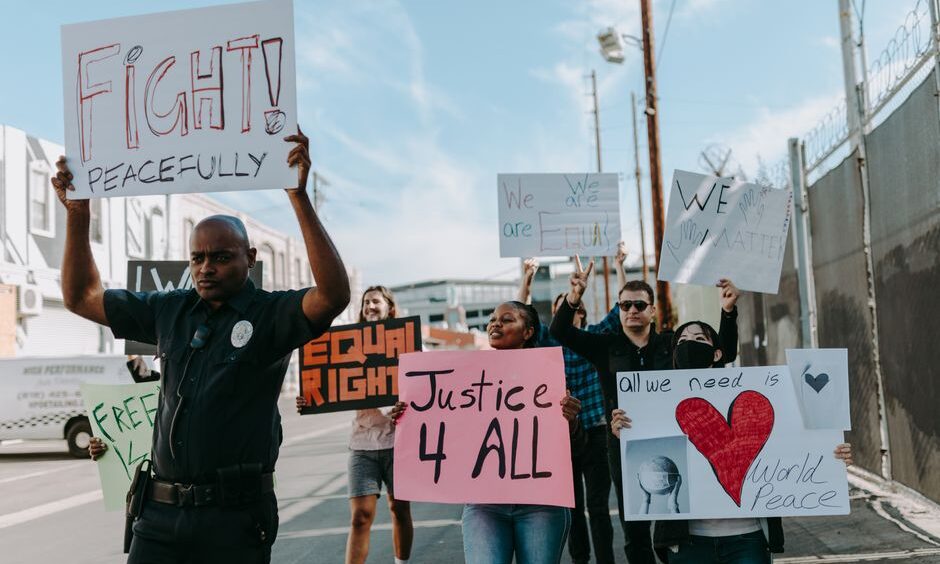
Concerns regarding civil liberties and the conduct of law enforcement agencies in Uttar Pradesh have intensified, drawing criticism from various quarters. Reports and analyses suggest a growing disregard for citizens' fundamental rights by the state police, leading to a climate of apprehension among residents and civil society groups. This situation has prompted calls for greater accountability and adherence to constitutional principles within India's most populous state.
Background: Constitutional Safeguards and Policing Challenges
India's constitutional framework enshrines fundamental rights, including freedom of speech and expression (Article 19), protection of life and personal liberty (Article 21), and safeguards against arbitrary arrest and detention (Article 22). The police force, a state subject, is mandated to uphold law and order while simultaneously protecting these very rights. However, the operational reality, particularly in a large and diverse state like Uttar Pradesh, has often presented significant challenges to this delicate balance.
Historically, policing in Uttar Pradesh has faced scrutiny over issues ranging from political interference to allegations of excessive force and institutional apathy. The sheer scale of the state, with its vast population and complex socio-political landscape, places immense pressure on its law enforcement machinery. Over the years, various commissions and judicial pronouncements have emphasized the need for police reforms to ensure greater accountability, professionalism, and respect for human rights. Despite these recommendations, substantial reforms have remained elusive, contributing to persistent concerns about police conduct.
A significant period of contention emerged during the nationwide protests against the Citizenship Amendment Act (CAA) in late 2019 and early 2020. Uttar Pradesh witnessed widespread demonstrations, and the state police's response drew sharp criticism. Allegations surfaced of arbitrary detentions, disproportionate use of force against protestors, and the controversial practice of property seizures and demolitions against alleged rioters. Critics argued that these actions bypassed due process and targeted specific communities, creating a chilling effect on the right to peaceful assembly and protest. The state government defended its actions, asserting the need to maintain law and order and deter violence, but the legal challenges and public outcry highlighted deep divisions over the appropriate limits of state power.
The subsequent imposition of stringent lockdowns during the COVID-19 pandemic further brought police conduct under the scanner. While enforcement of public health measures was crucial, reports emerged of police personnel allegedly using excessive force against citizens for minor infractions, particularly affecting migrant workers and daily wage earners struggling to comply with movement restrictions. These incidents, often amplified by social media, fueled public distrust and raised questions about the training and sensitivity of the police force in handling humanitarian crises.
Another long-standing point of controversy in Uttar Pradesh has been the issue of "encounter" killings. Over several years, the state has reported a high number of alleged extrajudicial killings, where individuals are killed in purported shootouts with the police. While the state government has often presented these as successful efforts to curb crime, human rights organizations and legal experts have consistently raised concerns about their veracity, alleging that many could be staged or involve excessive force. The Supreme Court of India has issued strict guidelines for investigating such incidents, emphasizing the need for independent probes and accountability. However, the frequency of these encounters in Uttar Pradesh has continued to be a subject of intense debate, pointing to a potential pattern that undermines the rule of law.
The application of laws such as the Uttar Pradesh Gangsters and Anti-Social Activities (Prevention) Act and the National Security Act (NSA) has also come under scrutiny. Critics argue that these stringent laws are sometimes invoked arbitrarily, not just against hardened criminals but also against political opponents, activists, and even ordinary citizens for minor offenses or dissent. The broad powers granted by these acts, including provisions for preventive detention and property attachment, are seen by many as susceptible to misuse, potentially leading to the erosion of individual liberties without adequate judicial oversight. The process of property demolition, often justified under these acts or as a measure against illegal constructions, has been particularly contentious when linked to the alleged involvement of individuals in protests or criminal activities, with critics pointing to a lack of due process and selective enforcement.
Furthermore, the rising number of sedition cases and those filed under the Unlawful Activities (Prevention) Act (UAPA) against journalists, activists, and critics in Uttar Pradesh has generated significant concern. These cases are often perceived as attempts to stifle dissent and criticism, creating an environment where freedom of expression is curtailed. The broad definitions within these laws, coupled with lengthy legal processes and strict bail conditions, can lead to prolonged incarceration even before conviction, effectively punishing individuals for their views or reporting. This trend has been highlighted by various human rights bodies as a threat to democratic discourse and the independent functioning of the press and civil society.
Judicial bodies, including the Allahabad High Court and the Supreme Court, have on various occasions intervened or commented on police actions in Uttar Pradesh. These interventions have sometimes led to quashing of FIRs, ordering compensation, or directing investigations, underscoring the judiciary's role as a check on executive power. However, the sheer volume of cases and the persistence of problematic practices suggest that judicial scrutiny, while vital, faces an uphill battle in ensuring systemic change.
Key Developments: Shifting Policing Strategies and Legislative Impact
In recent years, Uttar Pradesh has witnessed a discernible shift in its policing strategy, often characterized by a "tough on crime" rhetoric and a more assertive approach to law enforcement. This shift, championed by the state government, has been presented as a necessary measure to improve law and order, curb organized crime, and instill a sense of security among citizens. However, critics contend that this aggressive posture has frequently come at the cost of civil liberties and due process.
One significant development has been the legislative changes introduced by the state government. The Uttar Pradesh Recovery of Damages to Public and Private Property Act, 2020, for instance, allows for the recovery of damages from protestors involved in public disorder. While the stated intent is to deter vandalism, its implementation has been controversial, particularly when notices for property damage recovery were issued to individuals without clear evidence of their direct involvement in violence, or before due legal process determined their guilt. The lack of independent assessment mechanisms and the perceived arbitrary nature of these recovery notices have raised serious questions about fairness and transparency. Similarly, the Uttar Pradesh Prohibition of Unlawful Conversion of Religion Act, 2020, commonly known as the "anti-conversion" law, has been criticized for potentially infringing on individual freedoms of choice and marriage, leading to arrests and legal challenges that have highlighted concerns over its application and potential for misuse.
The increasing integration of technology into policing operations represents another key development. Uttar Pradesh has been at the forefront of deploying extensive CCTV networks, facial recognition technology, and other surveillance tools in public spaces. While these technologies are touted as aids in crime prevention and investigation, their deployment has sparked debates about privacy rights and the potential for mass surveillance. The absence of robust data protection laws and clear guidelines for the use of such technologies raises fears of their misuse, including for monitoring dissent or tracking individuals without proper legal authorization. The state's focus on digital policing also extends to the monitoring of social media, where arrests for online criticism or perceived inflammatory posts have become more frequent. This has a direct impact on freedom of expression, as citizens and journalists self-censor to avoid legal repercussions, thereby shrinking the space for public discourse and critical commentary.
The effectiveness of existing accountability mechanisms for the police in Uttar Pradesh remains a pressing concern. Internal police inquiries and departmental actions are often viewed with skepticism by the public and human rights advocates, who argue that they lack independence and transparency. State Human Rights Commissions, while established to address rights violations, often face challenges related to their investigative powers, budgetary constraints, and the implementation of their recommendations. This perceived lack of robust internal and external accountability mechanisms contributes to a sense of impunity among some sections of the police force, further exacerbating the civil liberties situation.
Several high-profile incidents and ongoing legal battles continue to illustrate the broader issues at play. Cases involving alleged wrongful detentions, instances of police brutality, and the controversial demolition of properties linked to accused individuals have consistently drawn national attention. These incidents, often widely reported by independent media and challenged in courts, serve as stark reminders of the persistent tension between state power and individual rights. While the state government often defends these actions as necessary steps to maintain law and order and combat crime, the narratives from affected individuals and civil society groups paint a picture of a system where due process is often sidelined, and constitutional safeguards are undermined. The cumulative effect of these developments points to an environment where the exercise of fundamental rights, particularly those related to dissent and personal liberty, faces significant challenges in Uttar Pradesh.
Impact: Erosion of Trust and Chilling Effect on Dissent
The civil liberties situation in Uttar Pradesh has far-reaching consequences, impacting various segments of society and fundamentally altering the relationship between citizens and the state. The most profound impact is the erosion of public trust in law enforcement and the justice system, coupled with a palpable chilling effect on freedom of speech, assembly, and dissent.
Vulnerable groups often bear the brunt of these challenges. Minority communities, in particular, have frequently expressed concerns about disproportionate targeting during protests, communal incidents, or specific law enforcement drives. Allegations of selective enforcement of laws and biased investigations contribute to a sense of marginalization and insecurity among these populations. The fear of arbitrary action can deter individuals from seeking justice or participating in legitimate civic activities, thereby deepening societal divisions.
Activists, human rights defenders, and journalists operating in Uttar Pradesh face an increasingly challenging environment. Those critical of government policies or police actions often report harassment, surveillance, arbitrary arrests, and the filing of criminal cases, including serious charges like sedition or UAPA. This pressure creates an atmosphere of fear, compelling many to self-censor or withdraw from their advocacy work. The independent media, crucial for a functioning democracy, finds its ability to report freely curtailed, leading to a less informed public and reduced accountability of power structures. The targeting of these groups not only impacts their individual liberties but also weakens the broader democratic fabric by stifling critical voices essential for public discourse.
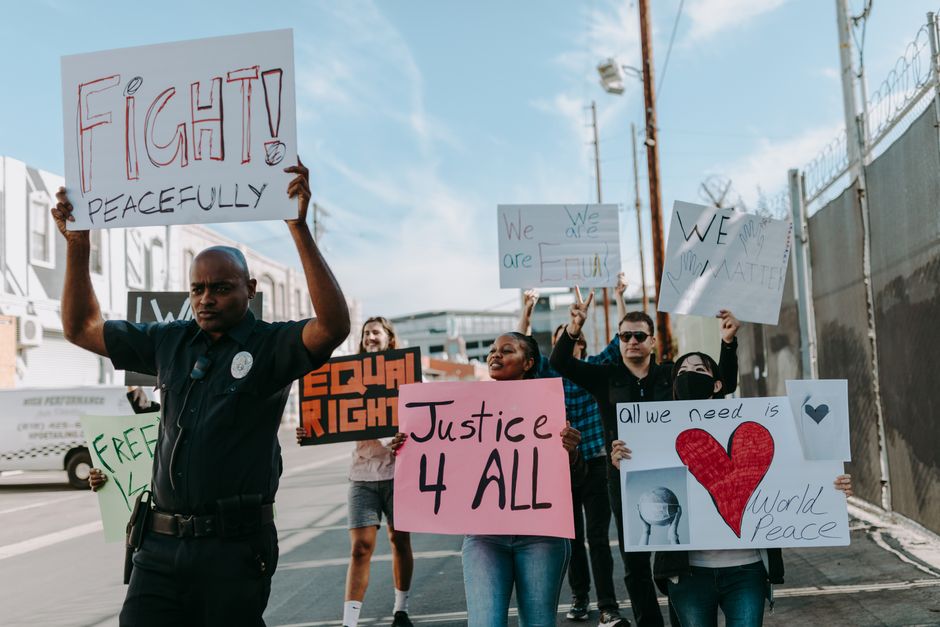
Members of the political opposition have also reported facing intensified scrutiny and legal action, which they often characterize as politically motivated. The use of state machinery, including the police and investigative agencies, against political rivals raises concerns about the fairness of the electoral process and the health of multi-party democracy. Such actions can discourage legitimate political dissent and create an uneven playing field.
For ordinary citizens, the pervasive fear of police action can manifest in various ways. There is a reluctance to report crimes, fearing potential harassment or involvement in protracted legal battles. The difficulty in accessing justice, coupled with a perceived lack of impartiality, can lead to a sense of helplessness and disempowerment. The fundamental principle of 'innocent until proven guilty' appears to be undermined when individuals are subjected to severe state action, such as property demolitions or lengthy detentions, based on allegations rather than convictions, or without adherence to due process. This creates a society where citizens may feel constantly under surveillance or subject to arbitrary power, rather than protected by the rule of law.
The cumulative effect is a significant chilling effect on fundamental rights. People become hesitant to exercise their rights to peaceful assembly, freedom of expression, or even to voice grievances publicly. The fear of repercussions, whether through legal charges, property actions, or social ostracization, leads to self-censorship and a decline in public participation in democratic processes. This erosion of the space for dissent is detrimental to a healthy democracy, as it limits the ability of citizens to hold their government accountable and advocate for change.
Beyond individual and societal impacts, the perceived erosion of the rule of law in Uttar Pradesh can have broader consequences. It can deter investment and economic development, as businesses often seek stable and predictable legal environments. It also affects India's international image, with global human rights organizations and democratic watchdogs often highlighting such situations in their reports, potentially impacting diplomatic relations and international perceptions of India's commitment to democratic values and human rights. Ultimately, the situation in Uttar Pradesh underscores a critical challenge to the constitutional promise of liberty and justice for all citizens.
What Next: Calls for Reform and Continued Scrutiny
The evolving civil liberties situation in Uttar Pradesh necessitates a multi-pronged approach involving judicial oversight, civil society advocacy, and sustained public discourse. The path forward will likely be characterized by ongoing legal battles, renewed calls for systemic police reforms, and persistent scrutiny from various national and international bodies.
Many of the contentious actions undertaken by the Uttar Pradesh police and administration are currently subject to legal challenges in various courts. High Courts and the Supreme Court of India are seized of petitions concerning property demolitions, alleged wrongful detentions, the application of stringent laws, and the conduct of police during protests. Future judicial pronouncements in these cases will be crucial. A landmark judgment could set significant precedents, clarify the limits of executive power, reinforce due process requirements, and issue specific directives for police conduct and accountability. Such rulings have the potential to shape the future landscape of civil liberties not just in Uttar Pradesh but across the country.
A long-standing demand in India has been comprehensive police reform. Recommendations from various commissions, most notably the Prakash Singh judgment of the Supreme Court in 2006, have outlined measures to professionalize the police force, insulate it from political interference, and establish independent accountability mechanisms. The situation in Uttar Pradesh serves as a stark reminder of the urgency of implementing these reforms. Calls for structural changes, including better training in human rights, improved internal grievance redressal systems, and the establishment of independent police complaints authorities, are expected to intensify. These reforms are essential to transform the police into a rights-respecting force that serves the public rather than being perceived as an instrument of state power.
Civil society organizations, human rights groups, and legal aid networks will continue to play a vital role in monitoring the situation, providing legal assistance to affected individuals, and advocating for policy changes. Their persistent efforts in documenting violations, raising public awareness, and challenging state actions in court are critical for upholding constitutional values. These groups often act as a crucial counterbalance to state power, ensuring that the voices of the marginalized are heard and that instances of injustice do not go unaddressed.
The state government's response to these criticisms will be closely watched. While it has consistently defended its actions as necessary for maintaining law and order, there remains an opportunity for it to address concerns about due process, accountability, and the protection of fundamental rights. This could involve initiating transparent internal inquiries, reviewing the application of contentious laws, or engaging in dialogue with civil society. Alternatively, a continuation of the current stance could further entrench the existing challenges and deepen public distrust.
The issue of civil liberties in Uttar Pradesh is also likely to remain a significant point of discussion in the political arena. Opposition parties and public intellectuals will continue to highlight these concerns, potentially influencing future electoral narratives and public discourse. The effectiveness of a government in upholding the rights of its citizens is often a key metric by which it is judged, and this issue could feature prominently in upcoming elections.
Finally, continuous monitoring and reporting by independent media outlets, national and international human rights bodies, and academic institutions will be essential. This ongoing scrutiny helps to ensure transparency, inform public debate, and exert pressure for accountability and reform. The sustained focus on the civil liberties situation in Uttar Pradesh underscores the critical importance of balancing state authority with individual freedoms in a democratic society, a challenge that will continue to define the state's trajectory in the coming years.