




In 2024, North Carolina sank the 106-foot tugboat Thomas Dann off Cape Lookout; it joined two older ships and 1,700 tons of concrete at a reef | Hindustan Times – Hindustan Times
-
Tapas Pal / 1 week
- November 1, 2026
- 0
- 18 min read

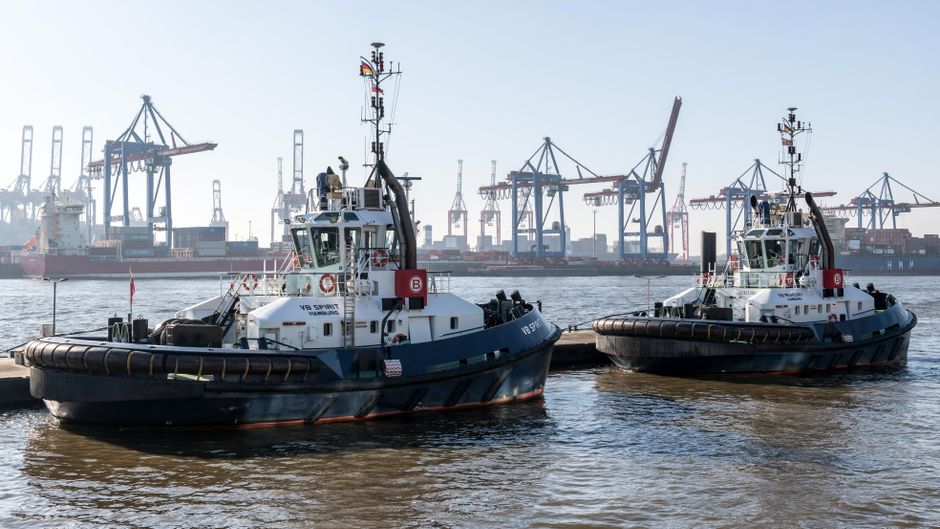
In 2024, North Carolina significantly augmented its network of artificial reefs by sinking the 106-foot tugboat *Thomas Dann* off Cape Lookout. This strategic deployment integrated the vessel into an existing reef site, joining two older ships and approximately 1,700 tons of concrete, enhancing marine habitat and supporting coastal economies. The operation marks a notable step in the state's ongoing commitment to marine conservation and recreational development.
Background: North Carolina’s Artificial Reef Program
The concept of artificial reefs dates back centuries, with early examples often being accidental shipwrecks or discarded natural materials. Modern artificial reef programs, however, are deliberate, scientifically-guided initiatives designed to enhance marine ecosystems and provide economic benefits. These programs gained significant traction in the United States during the mid-20th century, driven by a growing understanding of marine ecology and the increasing pressure on natural habitats. States with extensive coastlines, like North Carolina, recognized the potential for these man-made structures to mitigate habitat loss, improve fishing opportunities, and boost tourism.
North Carolina established its Artificial Reef Program in the early 1970s, making it one of the pioneering states in this field. Administered by the North Carolina Division of Marine Fisheries (NCDMF), the program's primary objectives are multifaceted: to create hard-bottom habitat for marine organisms, enhance recreational and commercial fishing, promote scuba diving tourism, and provide sites for marine research. The state's coastal waters, characterized by extensive sandy bottoms, often lack the complex hard structures necessary to support diverse marine communities. Artificial reefs address this deficiency by introducing vertical relief and intricate surfaces that attract a wide array of marine life.
Over the decades, North Carolina's program has evolved significantly, incorporating lessons learned from early deployments and adapting to new scientific insights and regulatory requirements. Initial reefs often consisted of readily available materials like discarded tires, but experience quickly demonstrated the superiority of larger, more stable structures such as decommissioned vessels, concrete culverts, and bridge rubble. These materials offer greater structural integrity, longevity, and habitat complexity, proving more effective at attracting and sustaining marine populations.
The NCDMF manages a comprehensive network of designated artificial reef sites spanning the state's Atlantic coast, from the nearshore waters to deeper offshore locations. Each site is carefully selected based on factors such as water depth, substrate type, current patterns, and proximity to navigational channels, ensuring both ecological effectiveness and safety for mariners. The program operates under strict environmental guidelines, requiring thorough cleaning and preparation of all materials to prevent the introduction of pollutants into the marine environment. This rigorous process involves removing all hazardous substances, oils, fuels, PCBs, and any loose debris that could pose a threat to marine life or navigational safety.
Funding for North Carolina's Artificial Reef Program comes from various sources, including state appropriations, federal grants (such as those from the Sport Fish Restoration Program, funded by excise taxes on fishing equipment and motorboat fuels), and private donations. The cost of acquiring, preparing, and sinking large vessels can be substantial, often requiring collaborative efforts between government agencies, non-profit organizations, and volunteer groups. The long-term success of the program relies on consistent funding and public support, reflecting the widespread recognition of its ecological and economic benefits.
Among North Carolina's notable past reefing projects are the sinking of the *USS Indra* (a naval landing ship dock) in 1992, the *Frying Pan Tower* (a former Coast Guard light station) in 2004, and numerous other vessels and concrete structures. These projects have collectively transformed barren seafloors into vibrant underwater ecosystems, demonstrating the program's enduring impact on the state's marine resources. The sinking of the *Thomas Dann* represents the latest chapter in this ongoing legacy, building upon decades of experience and strategic planning to further enhance North Carolina's underwater landscapes.
Key Developments: The Thomas Dann and Reef Expansion
The sinking of the 106-foot tugboat *Thomas Dann* in 2024 represents a significant enhancement to North Carolina’s artificial reef infrastructure, specifically off Cape Lookout. This operation was not merely the addition of a single vessel but a deliberate expansion of an existing reef site, strategically integrating new and older components to maximize ecological and recreational benefits.
The *Thomas Dann*, a robust tugboat, was meticulously prepared for its new role as an underwater habitat. Acquired through a process that often involves donation, purchase, or transfer from federal agencies, the vessel underwent an extensive decontamination process. This crucial step involved the complete removal of all hazardous materials, including fuels, oils, lubricants, coolants, hydraulic fluids, and any polychlorinated biphenyls (PCBs). All loose debris, plastics, and potential pollutants were stripped from the vessel to ensure it posed no environmental threat to the marine ecosystem. This preparation is mandated by federal and state regulations, including those from the U.S. Environmental Protection Agency (EPA) and the U.S. Coast Guard, which oversee the deployment of vessels as artificial reefs. The process ensures that the sunk vessel becomes a clean, stable structure, safe for marine life and divers.
Once thoroughly cleaned and inspected, the *Thomas Dann* was towed to its designated location off Cape Lookout. The precise coordinates of artificial reef sites are carefully chosen to optimize ecological function while avoiding interference with existing natural habitats, shipping lanes, and commercial fishing grounds. The sinking process itself is a carefully orchestrated event, often involving the controlled flooding of specific compartments to ensure the vessel settles upright and stably on the seafloor, providing maximum vertical relief and structural integrity. The *Thomas Dann* settled at a depth suitable for both recreational diving and fishing, becoming an accessible yet challenging underwater feature.
The *Thomas Dann* did not arrive at an empty site. It joined two older ships that had been previously sunk as part of North Carolina’s ongoing reefing efforts. While the specific names and sinking dates of these two companion vessels were not detailed in the initial reports, their presence highlights the incremental nature of artificial reef development. These older ships, likely decommissioned naval vessels, cargo ships, or other tugboats, have already begun the process of colonization by marine organisms, establishing a foundational ecosystem. The addition of the *Thomas Dann* effectively expands the footprint and complexity of this existing habitat, creating a larger, more diverse artificial ecosystem. The varied structures of multiple vessels—their different sizes, internal compartments, and orientations—offer a broader range of microhabitats, catering to a wider array of marine species.
Complementing the vessels, approximately 1,700 tons of concrete were also deployed at the same reef site. This concrete material often consists of bridge rubble, culverts, or specially designed reef balls. Concrete is highly valued for artificial reef construction due to its durability, stability, and inert nature. It provides excellent substrate for the attachment of sessile organisms like corals, sponges, and anemones, which form the base of the reef's food web. The varied shapes and sizes of concrete pieces create numerous crevices and shelters, offering protection for smaller fish and invertebrates. The sheer volume of 1,700 tons ensures a substantial increase in hard-bottom habitat, dispersing the reef's influence over a wider area and connecting the larger vessel structures with smaller, more intricate formations.
The entire operation was a collaborative effort involving several key entities. The North Carolina Division of Marine Fisheries (NCDMF) played the central role in planning, permitting, and overseeing the deployment. Contractors specializing in vessel preparation and marine salvage executed the cleaning and sinking procedures. The U.S. Coast Guard ensured navigational safety during the towing and sinking operations, while the EPA provided regulatory oversight to confirm environmental compliance. Such inter-agency cooperation is standard practice for large-scale artificial reef projects, ensuring that all aspects, from environmental protection to public safety, are meticulously addressed.
The strategic placement off Cape Lookout is particularly significant. This region is known for its rich marine biodiversity and is a popular destination for recreational fishing and diving. By enhancing the reef infrastructure in this area, the state aims to capitalize on existing recreational interest while simultaneously boosting the ecological resilience of the local marine environment. The combination of multiple large vessels and a substantial volume of concrete creates a multi-layered, highly complex habitat that is expected to attract and sustain a thriving marine community for decades to come.
Impact: Ecological and Economic Benefits
The strategic deployment of the *Thomas Dann*, alongside older ships and concrete, off Cape Lookout is projected to yield substantial and multifaceted impacts, primarily categorized into ecological and economic benefits. These impacts extend beyond immediate habitat creation, influencing biodiversity, local economies, and opportunities for scientific research and public education.
Ecological Benefits
The primary ecological purpose of sinking structures like the *Thomas Dann* is the creation of new, complex habitat in areas where natural hard-bottom features are scarce. North Carolina's continental shelf is predominantly sandy, offering limited shelter and substrate for many marine species. Artificial reefs transform these barren seafloors into vibrant ecosystems.
Habitat Creation for Marine Life: The intricate structure of a sunken tugboat, with its various compartments, decks, and openings, provides an immediate and diverse range of shelters, hiding spots, and foraging grounds. These spaces are crucial for a multitude of marine organisms, from small invertebrates to large predatory fish. The vertical relief offered by the 106-foot vessel also creates upwelling currents, bringing nutrient-rich waters from the seafloor towards the surface, which in turn supports a greater abundance of plankton and small fish.
* Enhancement of Biodiversity: Within a short period, the newly established reef begins to attract a wide array of marine species. Sessile organisms such as barnacles, mussels, sponges, soft corals, and anemones quickly colonize the hard surfaces of the vessel and concrete. These filter feeders form the base of the new food web, attracting grazers and small predators. Soon after, mobile species like various reef fish (e.g., groupers, snappers, sea bass, amberjack), crustaceans (crabs, lobsters), and even larger pelagic species (e.g., mackerel, tuna, sharks) are drawn to the abundance of food and shelter. The addition of the *Thomas Dann* to an existing reef site further enhances this biodiversity by increasing the overall reef footprint and structural complexity, allowing for a greater variety of species to coexist.
* Nursery Grounds and Spawning Areas: Artificial reefs often serve as critical nursery grounds for juvenile fish, providing protection from larger predators and ample food resources for growth. The numerous crevices and protected areas within the sunken ships and concrete structures are ideal for young fish to mature. Furthermore, these reefs can act as important spawning aggregation sites, where adult fish gather to reproduce. The availability of suitable hard substrate for egg attachment, combined with the presence of a diverse food source, makes these reefs vital for the reproductive success of many commercially and recreationally important species.
* Food Chain Support: By establishing a robust community of primary producers and consumers, the artificial reef significantly strengthens the local marine food chain. The initial colonization by algae and invertebrates supports a growing population of small fish, which in turn become prey for larger fish and marine mammals. This concentrated biomass makes the reef a productive feeding ground, contributing to the overall health and productivity of the surrounding ocean environment.
* Comparison to Natural Reefs: While artificial reefs cannot fully replicate the geological and biological complexity of ancient natural coral reefs, they effectively mimic many of their ecological functions in sandy-bottom environments. They provide similar benefits in terms of habitat, food, and shelter, often attracting species that would otherwise be scarce in the area. In North Carolina's temperate waters, where natural hard-bottom reefs are limited, artificial reefs play an indispensable role in supporting marine ecosystems.
Economic Benefits
The creation of artificial reefs is not solely an ecological endeavor; it also generates significant economic benefits for coastal communities, particularly through enhanced recreational activities.
Recreational Fishing: Artificial reefs are magnets for fish, making them prime locations for recreational anglers. The increased fish populations and improved catch rates attract more recreational fishermen, both local and from out of state. This surge in fishing activity directly benefits charter boat operators, fishing guides, bait and tackle shops, marine supply stores, and fuel stations. These businesses experience increased demand for their services and products, leading to higher revenues and job creation. The *Thomas Dann* reef, being a substantial new structure, is expected to become a popular fishing spot, drawing anglers seeking diverse species.
* Scuba Diving Tourism: Sunken ships, especially large and intact vessels like the *Thomas Dann*, become unique and captivating dive sites. They offer an adventurous experience for scuba divers, who can explore the vessel's exterior and, often, its accessible interior compartments. The colonization by marine life, including colorful corals, sponges, and schools of fish, transforms these wrecks into vibrant underwater gardens. This attracts dive tourists, benefiting dive shops, instructors, boat charters, and equipment rentals. Local accommodations, restaurants, and other hospitality businesses also see increased patronage from visiting divers. The addition of the *Thomas Dann* enhances North Carolina's reputation as a premier diving destination.
* Job Creation: The expanded recreational fishing and diving industries stimulate job creation across various sectors. This includes captains and crew for charter boats, dive masters and instructors, retail staff in tackle and dive shops, hospitality workers, and support staff for marine services. The initial reefing project itself creates temporary jobs in vessel preparation, towing, and sinking operations.
* Local Community Impact: Beyond direct industry benefits, the increased tourism generated by the reef contributes to the overall economic vitality of coastal towns. Local governments benefit from increased tax revenues, which can be reinvested in community services and infrastructure. The enhanced reputation as a recreational hub can also attract new residents and businesses, fostering long-term economic growth.
Research and Education
Artificial reefs also provide valuable platforms for scientific research and public education.
Opportunities for Marine Biologists: Scientists can utilize these controlled environments to study reef ecology, fish behavior, species colonization patterns, and the effectiveness of different reef materials. The *Thomas Dann* reef offers a new site for long-term monitoring, allowing researchers to track the development of the ecosystem over time and assess the reef's impact on surrounding marine populations. This research contributes to a better understanding of marine conservation and informs future reefing strategies.
* Public Awareness and Conservation Education: Artificial reefs serve as tangible examples of human efforts to enhance marine environments. They can be used in educational programs to raise public awareness about marine ecosystems, the importance of habitat protection, and sustainable fishing practices. Dive operators and fishing charters often provide educational insights to their clients, fostering a deeper appreciation for the underwater world.
In summary, the *Thomas Dann* reef is poised to become a cornerstone of North Carolina’s marine environment and economy. By providing essential habitat, boosting fish populations, and creating unique recreational opportunities, it reinforces the state's commitment to both ecological stewardship and sustainable economic development.
What Next: Monitoring, Future Plans, and Challenges
The sinking of the *Thomas Dann* off Cape Lookout is not an endpoint but a significant milestone in North Carolina's ongoing artificial reef program. The success and longevity of this new reef, and indeed the entire network, depend on continuous monitoring, strategic future planning, and the proactive addressing of inherent challenges.
Monitoring and Assessment of the Reef
Following the deployment of the *Thomas Dann*, the North Carolina Division of Marine Fisheries (NCDMF) will initiate a comprehensive monitoring and assessment program. This is a standard practice for all new artificial reef sites to evaluate their effectiveness and ensure they are meeting their intended ecological and recreational objectives.
Ecological Surveys: Marine biologists and technicians from the NCDMF will conduct regular underwater surveys using scuba divers, remotely operated vehicles (ROVs), and sonar technology. These surveys will document the colonization process, tracking the growth of sessile organisms like corals, sponges, and algae on the vessel and concrete structures. They will also assess the species diversity and abundance of fish, crustaceans, and other mobile invertebrates that inhabit the reef. Data collected will include species identification, population estimates, size distributions, and signs of reproductive activity.
* Habitat Quality Assessment: The physical integrity of the *Thomas Dann* and the concrete structures will be periodically checked. This includes monitoring for signs of structural degradation, shifting due to strong currents or storms, and potential entanglement hazards. The stability of the reef is crucial for its long-term success as a habitat.
* Fisheries Impact Assessment: The NCDMF will monitor fishing activity and catch rates at the *Thomas Dann* reef and surrounding areas. This includes collecting data from recreational and, where applicable, commercial fishermen through creel surveys, logbooks, and angler reports. The goal is to determine if the reef is indeed enhancing fishing opportunities and contributing to sustainable fish populations without leading to localized overfishing.
* Public Feedback: Input from recreational divers and fishermen is also valuable. Their observations can provide additional data on species presence, reef conditions, and overall satisfaction with the site. This feedback helps the NCDMF understand the practical benefits and challenges from a user perspective.
The data gathered from these monitoring efforts will be crucial for adaptive management. It will inform decisions about future reefing strategies, material selection, site placement, and potential regulatory adjustments to ensure the program remains effective and sustainable.
Expected Timeline for Marine Life Colonization
The colonization of the *Thomas Dann* reef will follow a predictable, albeit dynamic, ecological succession:
Initial Colonization (Weeks to Months): Within weeks of sinking, the clean surfaces of the tugboat and concrete will begin to be colonized by microscopic algae, bacteria, and other microorganisms, forming a biofilm. This initial layer attracts larval stages of sessile invertebrates, such as barnacles, mussels, and hydroids, which quickly attach and grow. Small, opportunistic fish species will also begin to explore the new structure, seeking shelter and food.
* Intermediate Colonization (Months to 1-2 Years): Over several months, the diversity and biomass of organisms will significantly increase. Sponges, soft corals (like sea whips and sea fans), and anemones will establish themselves, adding color and complexity. Larger schools of baitfish will be drawn to the plankton and smaller invertebrates, and these, in turn, will attract predatory fish such as snappers, groupers, and amberjack. The reef will start to function as a nascent ecosystem.
* Mature Reef (2+ Years): Within two to five years, the *Thomas Dann* reef is expected to develop into a mature, stable ecosystem, resembling a vibrant natural hard-bottom reef. It will support a robust community of diverse species, including larger, long-lived fish, crustaceans, and potentially even some species of hard corals, depending on water conditions. The vessel's structure will become heavily encrusted, providing extensive habitat.
Future Additions to the Reef System in NC
The North Carolina Artificial Reef Program is an ongoing initiative, and the *Thomas Dann* sinking is part of a broader, long-term strategy.
Continuous Material Acquisition: The NCDMF continuously seeks suitable materials for future reef deployments. This includes identifying and acquiring decommissioned vessels (tugs, barges, military ships), bridge rubble, concrete culverts, and other inert, stable materials. The process of acquisition, preparation, and permitting is lengthy, so planning for future projects is always in progress.
* Expansion of Existing Sites and New Site Development: Future efforts will likely involve further expansion of existing successful reef sites, much like the *Thomas Dann* joined older ships. This incremental approach builds upon established ecological foundations. Additionally, new reef sites may be developed in strategically important locations to address specific habitat needs or to spread recreational pressure across a wider area.
* Technological Advancements: The program may incorporate new technologies in reef design and monitoring, such as specialized reef modules designed for specific species or advanced sonar mapping for more precise placement and habitat assessment.
Ongoing Challenges
Despite its successes, North Carolina's Artificial Reef Program faces several persistent challenges.
Funding: The acquisition, preparation, and deployment of large structures like the *Thomas Dann* are expensive. Consistent and adequate funding from state, federal, and private sources is critical for the program's continuity. Economic downturns or shifts in political priorities can impact funding availability.
* Permitting and Regulatory Hurdles: Navigating the complex web of federal and state regulations from agencies like the EPA, Coast Guard, Army Corps of Engineers, and state environmental departments can be time-consuming and challenging. Each deployment requires meticulous planning and adherence to strict environmental and safety standards.
* Material Acquisition and Preparation: Sourcing suitable, clean materials can be difficult. Decommissioned vessels must meet stringent cleaning requirements, which can be costly and labor-intensive. The availability of large, stable, and environmentally safe materials is not always guaranteed.
* Environmental Factors: While artificial reefs are designed to be robust, they are still subject to environmental factors such as severe storms, strong currents, and potential impacts from marine debris. Monitoring helps address these issues, but they remain inherent risks.
* Balancing User Demands: Managing the various demands of recreational fishermen, commercial fishermen, divers, and environmental groups requires careful planning to ensure that artificial reefs benefit all stakeholders without causing user conflicts or unsustainable practices.
Broader Implications for Coastal Management and Conservation
The continued success of North Carolina's Artificial Reef Program, exemplified by the *Thomas Dann* deployment, has broader implications for coastal management and marine conservation. It demonstrates a proactive approach to enhancing marine biodiversity and supporting sustainable coastal economies. By investing in artificial reefs, North Carolina is not only mitigating habitat loss but also providing valuable resources for education, research, and public enjoyment, contributing to the long-term health and resilience of its precious marine environment. The *Thomas Dann* now stands as a testament to this enduring commitment, a new underwater landmark poised to host a thriving ecosystem for decades to come.