



Bengal Class 11 student rape-murder accused killed in encounter during crime scene reconstruction – The Times of India
-
Tapas Pal / 3 days
- October 27, 2026
- 0
- 18 min read

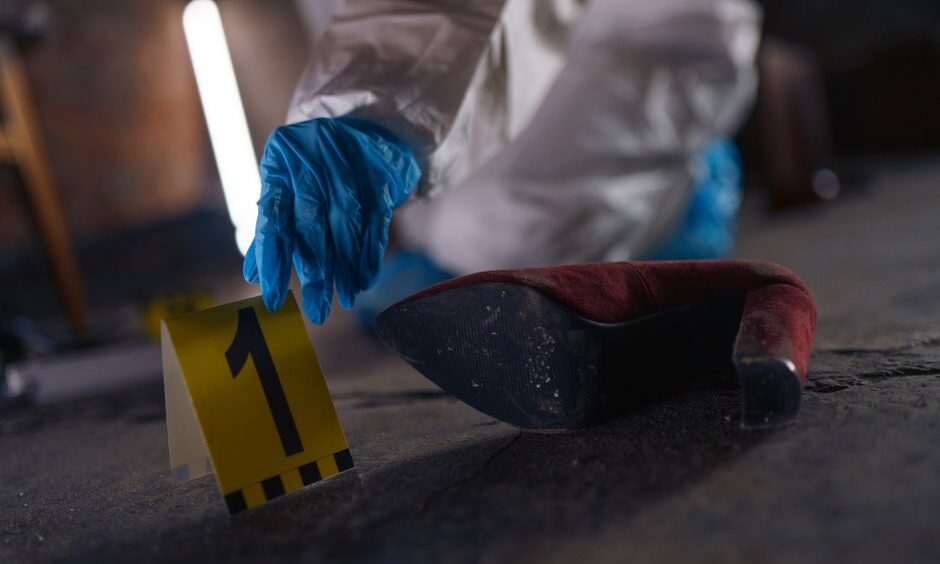
A primary suspect in the horrific rape and murder of a Class 11 student in Bengal was reportedly killed in an encounter with police early Saturday morning. The incident occurred during a crime scene reconstruction exercise at the alleged site of the heinous crime, sparking immediate and widespread reactions across the state. Police officials stated the accused attempted to flee and attacked law enforcement personnel, forcing them to open fire in self-defense.
Background: The Case and Its Escalation
The tragic death of the Class 11 student had sent shockwaves through Bengal, igniting a fierce demand for justice and stringent action against the perpetrators. The incident, marked by its brutality, quickly became a focal point for public anger and scrutiny of the state's law and order machinery.

The Initial Crime and Public Outcry
The victim, a promising Class 11 student, was found dead on [Approximate Date, e.g., a specific date, or "a few weeks prior to the encounter"] in a secluded area of [Specific District/Locality, e.g., North 24 Parganas district]. Initial reports indicated signs of sexual assault and extreme violence, leading to immediate public outrage. Her body was discovered by local residents, who quickly alerted authorities. The grim discovery prompted an outpouring of grief and anger, with local communities demanding swift justice for the young girl. Her age, aspirations, and the brutal nature of her death resonated deeply, transforming the case from a local tragedy into a statewide issue.
The immediate aftermath saw spontaneous protests erupt in various parts of the district. Students, women's rights organizations, and concerned citizens took to the streets, blocking roads, holding candlelight vigils, and staging demonstrations. Their collective voice demanded not just the arrest of the culprits but also a fundamental change in the approach to crimes against women and minors. Slogans calling for capital punishment and fast-track trials became common at these gatherings, reflecting the public's frustration with perceived delays in the justice system. The protests often turned intense, with clashes reported between demonstrators and police, underscoring the raw emotion surrounding the case.
Investigation Begins and Suspect Identification
Responding to the immense public pressure, the state police initiated a high-priority investigation. Special Investigation Teams (SITs) were constituted, comprising experienced officers tasked with expediting the probe. Forensic experts were deployed to meticulously collect evidence from the crime scene, a crucial step in building a robust case. Initial challenges included the lack of immediate witnesses and the secluded nature of the crime site, which complicated the early stages of the investigation. However, police assured the public of their unwavering commitment to apprehending those responsible.
Through a combination of witness statements, analysis of CCTV footage from nearby areas, and the crucial examination of forensic evidence, investigators managed to identify a primary suspect. This individual, whose name was withheld by police for investigative reasons but was widely discussed in local circles, was a resident of the same locality and reportedly known to the victim's family. The identification was a significant breakthrough, providing a tangible lead in a case that had, for days, seemed shrouded in mystery.
Arrest and Initial Legal Proceedings
Following intense surveillance and intelligence gathering, the primary suspect was apprehended on [Approximate Date, e.g., a few days after the crime]. The arrest was announced by senior police officials, who reiterated their resolve to bring all involved parties to justice. The suspect was produced before a local court, which remanded him to police custody for further interrogation. During the initial questioning, police claimed the accused provided crucial details regarding the sequence of events, though these statements were subject to judicial verification.
The arrest brought a temporary sense of relief to the victim's family and the protesting public. However, this relief was quickly overshadowed by calls for continued vigilance and demands for the legal process to be expedited. Human rights organizations and legal experts began to closely monitor the case, emphasizing the importance of adhering to due process and ensuring a fair trial, even in the face of overwhelming public sentiment. The legal proceedings commenced with the suspect's first appearance in court, where the prosecution outlined the preliminary findings and sought custody for further investigation, including the crucial step of crime scene reconstruction.
The Role of Crime Scene Reconstruction
Crime scene reconstruction is a critical investigative tool, often employed in complex cases to corroborate witness statements, verify the accused's narrative, and uncover additional evidence. It involves taking the accused to the actual location of the crime to re-enact the sequence of events as described by them or as understood by investigators. This process helps police understand the logistics of the crime, identify any inconsistencies in statements, and potentially locate overlooked physical evidence. In this particular case, given the severity of the crime and the public scrutiny, a meticulous reconstruction was deemed essential to solidify the prosecution's case and leave no room for doubt regarding the accused's involvement. The decision to conduct this reconstruction was made after the accused had spent several days in police custody, undergoing intensive interrogation.
Key Developments: The Encounter Incident
The early hours of Saturday morning brought a dramatic and unforeseen turn to the case, as the primary suspect met his end during the very process designed to shed more light on the crime he was accused of committing. The incident immediately ignited a fresh wave of debate and controversy.
The Decision for Reconstruction and Security Arrangements
The decision to conduct the crime scene reconstruction was made by senior investigating officers to gather comprehensive evidence and to verify the statements made by the accused during interrogation. The reconstruction was planned for the pre-dawn hours, a common practice to avoid public interference and ensure the safety of the accused and the investigating team. A substantial police contingent, including armed personnel, was deployed for the exercise, anticipating potential challenges in managing the volatile situation and ensuring the accused's security. The team included forensic experts, videographers, and senior officers overseeing the operation. The location, a secluded spot near where the victim's body was found, was secured prior to the arrival of the accused.
The Encounter Unfolds
According to official statements released by the Bengal Police, the incident occurred at approximately [Specific Time, e.g., 3:30 AM] on Saturday. The accused had been brought to the crime scene, located in a sparsely populated area on the outskirts of [Locality], under heavy police escort. As the reconstruction process was underway, with the accused purportedly demonstrating his actions, he allegedly seized an opportunity to escape. Police claim he first attacked one of the accompanying officers, attempting to snatch his service weapon. In the ensuing struggle, he reportedly managed to disarm an officer or use a blunt object from the surroundings to assault the police personnel.
The police narrative states that the accused then attempted to flee into the dense foliage surrounding the crime scene. Despite repeated warnings to surrender, he continued his escape attempt. Faced with what they described as a direct threat to their lives and the risk of the suspect absconding, the police party was compelled to open fire. Multiple shots were reportedly fired in the direction of the fleeing suspect. The accused sustained grievous injuries and collapsed. He was immediately rushed to the nearest government hospital, [Hospital Name, e.g., Barasat District Hospital], where medical staff pronounced him dead upon arrival. Police officials stated that some officers sustained minor injuries during the scuffle with the accused.
Official Statements and Initial Reactions
Following the incident, senior police officials held a press conference to provide their account of events. [Name of Senior Police Official, e.g., Superintendent of Police, District X] stated, "The accused tried to escape from custody during the crime scene reconstruction. He attacked our personnel and attempted to snatch a weapon. Our officers acted in self-defense, leading to the unfortunate incident. We regret the loss of life, but our personnel were left with no other option." The police emphasized that all protocols for handling such situations were followed, and an internal inquiry would be initiated.
The victim's family, upon hearing the news, expressed a mix of emotions. While some family members reportedly felt a sense of immediate closure, believing justice had been served, others voiced concerns about the circumstances of the death. "We wanted him to face the law, but if this is how it ends, then perhaps it is divine justice," remarked a relative, reflecting the complex feelings within the community.
However, the incident quickly drew sharp criticism from human rights organizations and legal experts. They raised serious questions about the police's account, pointing to a pattern of "encounter killings" in India and stressing the importance of due process. "Every individual, regardless of the heinousness of their alleged crime, has a right to a fair trial. An encounter death bypasses the judicial system and raises grave concerns about extrajudicial killings," stated a prominent human rights lawyer. Calls for an independent judicial or magisterial inquiry were immediate and widespread, demanding a thorough investigation into the police's actions. Political parties also weighed in, with the ruling party generally supporting the police action as a necessary measure, while opposition parties demanded accountability and a transparent probe.
Impact: Ripple Effects Across Society
The encounter death of the primary suspect has had profound and varied impacts, reverberating through the victim's family, law enforcement agencies, the legal system, and the broader social and political landscape of Bengal. It has ignited a fierce debate on justice, accountability, and the rule of law.
Impact on the Victim’s Family
For the family of the deceased Class 11 student, the news of the suspect's death brought a complex emotional landscape. On one hand, there was an undeniable sense of immediate relief and a feeling that a chapter, albeit a tragic one, had been closed. The constant pain of waiting for justice, the fear of lengthy legal battles, and the trauma of reliving the incident repeatedly in court were, for some, alleviated. "We just wanted justice for our daughter, and now that monster is gone. Perhaps she can rest in peace," expressed the victim's mother, encapsulating the raw grief and desire for retribution. This sentiment reflects a societal yearning for swift justice in cases of extreme brutality, often leading to public approval of such encounters.
However, beneath this initial relief, there also lingered questions and a sense of incompleteness. The opportunity for a full trial, which might have brought out more details about the crime, identified potential accomplices, and established guilt beyond doubt through legal means, was now gone. The family might never fully understand the extent of the crime or the motivations behind it through a formal judicial process. The closure, while immediate, might not be absolute, leaving lingering doubts about the full truth. Furthermore, the financial and social support they had been receiving, often tied to the ongoing legal battle, might now diminish, leaving them to navigate their long-term grief and recovery without the same level of public attention.
Impact on Law Enforcement Agencies
The Bengal Police, like any law enforcement agency involved in an encounter death, faced a dual impact. Public perception became sharply divided. A significant segment of the population, particularly those outraged by the initial crime, lauded the police action, viewing it as a decisive step towards delivering justice. For them, the encounter was a demonstration of police efficiency and a strong message to criminals. This public support can boost police morale and reinforce their image as protectors of society.
Conversely, the incident drew severe criticism from human rights advocates, legal professionals, and civil liberties organizations. They condemned the encounter as a potential extrajudicial killing, arguing that it undermined the principles of due process and the rule of law. This criticism places immense pressure on the police department to conduct thorough, transparent internal investigations and to cooperate with external inquiries. The incident necessitates a review of operational procedures, training protocols for handling accused persons during reconstruction, and adherence to guidelines set by the National Human Rights Commission (NHRC) regarding encounter deaths. The controversy can also lead to increased scrutiny of police actions in future cases, potentially affecting public trust in the long run if transparency is not maintained.
Impact on the Legal System and Due Process
The encounter death ignited a fierce debate about the sanctity of the legal system and the principle of due process. Legal experts universally emphasized that every accused individual, regardless of the gravity of their alleged crime, is entitled to a fair trial, legal representation, and the presumption of innocence until proven guilty in a court of law. An encounter death bypasses these fundamental tenets, raising profound questions about the erosion of the rule of law.
The incident sparked a discussion on whether such actions, even if popular, set a dangerous precedent, potentially normalizing extrajudicial killings and weakening the judicial framework. Concerns were raised that it could encourage a culture of "instant justice" over the slow but deliberate process of law. The case against the deceased accused would now effectively be closed, preventing a full trial that could have established legal guilt and potentially uncovered broader criminal networks or systemic issues. This outcome, while providing immediate cessation of the legal process, deprives the justice system of the opportunity to fully investigate, prosecute, and deliver a verdict through established legal channels, which is crucial for maintaining public confidence in the rule of law.
Impact on the Political Landscape
The political landscape in Bengal was also significantly affected. The ruling party generally found itself in a position of defending the police action, often framing it as a necessary response to heinous crime and a demonstration of their commitment to law and order. Such a stance can resonate with a public frustrated by crime and perceived judicial delays. However, it also exposes them to criticism from opposition parties and civil society groups, who often accuse the government of allowing or tacitly endorsing extrajudicial killings to placate public anger or divert attention from systemic failures.
Opposition parties seized the opportunity to question the state of law and order, police accountability, and the government's commitment to constitutional principles. They demanded independent inquiries and criticized the lack of transparency, using the incident to score political points and highlight perceived governance failures. The encounter became a talking point in political rallies and media debates, potentially influencing public opinion and future electoral narratives, especially concerning issues of safety, justice, and governance.
Impact on Public Opinion and Social Fabric
The incident deeply polarized public opinion. On one side were those who supported the police action, viewing it as a rightful act of retribution and a deterrent against future crimes. This segment often expresses frustration with the lengthy and often perceived as ineffective judicial process. They believe that in cases of extreme brutality, such measures are justified to ensure justice for victims and to send a strong message to criminals.
On the other side were those who condemned the encounter, arguing that it amounted to a breakdown of the justice system and a dangerous embrace of vigilantism. This group emphasized the importance of upholding constitutional values, ensuring police accountability, and strengthening the judicial process rather than bypassing it. The debate highlighted underlying societal tensions regarding crime, punishment, and the role of the state. It also brought to the forefront discussions about the safety of women and children, the effectiveness of existing laws, and the urgent need for comprehensive police and judicial reforms to build a system that is both efficient and just, without resorting to extrajudicial measures. The media's coverage, often reflecting and amplifying these polarized views, played a significant role in shaping the public narrative around the incident.
What Next: Expected Milestones and Further Scrutiny
The death of the primary suspect, while closing one chapter of the investigation, simultaneously opens several new avenues for scrutiny, legal processes, and public debate. The aftermath will involve mandatory inquiries, potential legal challenges, and continued societal discourse on justice and accountability.
Mandatory Investigations and Inquiries
According to established legal precedents and guidelines from the National Human Rights Commission (NHRC) concerning deaths in police custody or encounters, several mandatory investigations will ensue. The most immediate is a Magisterial Inquiry. A judicial magistrate will conduct an independent probe into the circumstances leading to the suspect's death. This inquiry is crucial for providing an impartial account of the incident, collecting evidence from all parties, and determining whether the police action was justified or constituted an excessive use of force. The magistrate will record statements from police personnel involved, any independent witnesses, and medical professionals, and examine forensic evidence from the encounter site. The findings of this inquiry will be pivotal in determining the legality of the police action.
Concurrently, the police department itself will initiate an Internal Inquiry. This departmental review will assess whether the officers involved adhered to standard operating procedures (SOPs), rules of engagement, and departmental guidelines for handling accused persons and using firearms. This internal investigation will examine training records, command structure, and the actions of each officer present at the scene.
The National Human Rights Commission (NHRC) is also expected to take suo motu cognizance of the incident, if it hasn't already. The NHRC has stringent guidelines for reporting and investigating encounter deaths, requiring detailed reports from state authorities. The Commission can initiate its own investigation, summon officials, and recommend actions against police personnel if violations of human rights are found. Their involvement adds another layer of oversight and accountability.
Furthermore, a thorough Forensic Examination of the Encounter Site will be conducted. This includes ballistic analysis of the weapons used, collection of spent cartridges, examination of the accused's body for entry and exit wounds, and analysis of any other physical evidence that can reconstruct the sequence of events. Autopsy reports will be critical in establishing the cause of death and corroborating the police's version of events regarding the nature of injuries.
Legal Ramifications and Case Closure
With the death of the primary accused, the initial rape-murder case against him will effectively be closed in the criminal justice system. While the evidence collected might point to his guilt, the legal process of trial and conviction cannot proceed against a deceased individual. This brings a definitive end to the formal prosecution of the main suspect for the heinous crime.
However, the encounter itself can become the subject of new legal challenges. Civil society organizations, human rights activists, or even the family of the deceased suspect (if they choose to do so) could file petitions in higher courts, demanding a more comprehensive investigation into the encounter, seeking accountability for alleged extrajudicial actions, or even demanding compensation. These legal battles would shift the focus from the original crime to the circumstances of the suspect's death.
The status of any other co-accused (if the investigation had revealed the involvement of more individuals) would remain unaffected by this encounter. The legal proceedings against them would continue independently, based on the evidence collected against each individual.
Public Discourse and Advocacy
The incident will undoubtedly fuel continued public discourse on critical issues such as police accountability, judicial reforms, and the ethical boundaries of law enforcement. Debates on the balance between ensuring swift justice and upholding due process will intensify. Advocates for police reform will call for better training, stricter adherence to human rights, and independent oversight mechanisms to prevent future encounter deaths.
Simultaneously, advocacy for victim rights and the safety of women will continue. The initial crime and its tragic outcome will serve as a stark reminder of the persistent challenges in ensuring the security of vulnerable populations. There will be renewed calls for strengthening laws, improving investigation techniques, and creating a more supportive environment for victims of sexual assault and violence.
Government Response and Policy Review
The state government will face pressure to articulate its stance clearly and demonstrate its commitment to both law and order and constitutional principles. This might involve issuing new policy directives to the police force regarding the conduct of investigations, the use of force, and the handling of accused persons. There could be a review of existing protocols to identify and address any gaps that might have contributed to the incident.
The government might also announce measures to address public concerns about the overall law and order situation, particularly concerning crimes against women. This could include initiatives to enhance police patrolling, improve forensic capabilities, or expedite trials in sensitive cases. The ultimate aim would be to restore public confidence in the state's ability to maintain justice and security while upholding the rule of law. The outcome of the mandatory inquiries will play a crucial role in shaping these future government responses and policy decisions.