





Dubai plans new port to cut reliance on Strait of Hormuz – The Times of India
-
Tapas Pal / 3 months
- July 14, 2026
- 0
- 23 min read

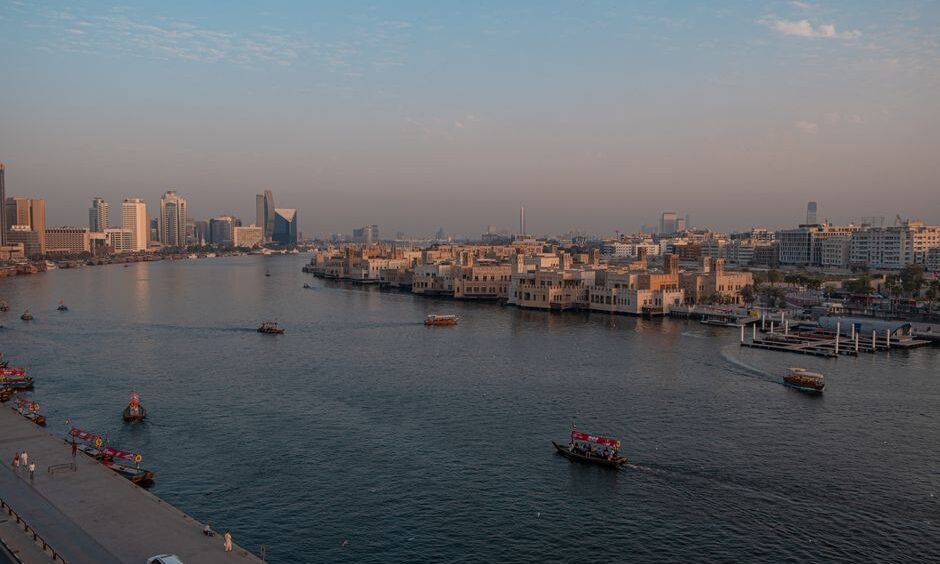
Dubai, a pivotal global trade and logistics hub, is embarking on a monumental infrastructure project to develop a new port facility. This strategic initiative aims to significantly reduce the emirate's reliance on the Strait of Hormuz, bolstering maritime security and enhancing economic resilience in a geopolitically sensitive region. The ambitious plan underscores Dubai's long-term vision for sustained growth and its commitment to ensuring uninterrupted global supply chains.
Background: The Strategic Imperative of Maritime Trade
Dubai’s Ascent as a Global Logistics Hub
Dubai’s transformation from a modest fishing and pearl-diving village into a formidable global trade and logistics powerhouse is a testament to its visionary leadership and strategic planning. In the mid-20th century, under the guidance of rulers like Sheikh Rashid bin Saeed Al Maktoum, Dubai began investing heavily in infrastructure, recognizing the paramount importance of trade to its future. The opening of Port Rashid in 1972 marked a significant milestone, establishing Dubai as a regional maritime gateway. This initial success paved the way for even more ambitious projects.
The true game-changer arrived with the inauguration of Jebel Ali Port in 1979. This colossal undertaking, built in the desert, was a bold statement of intent. It was designed not merely as a port but as the nucleus of a vast economic ecosystem. Complementing the port's development was the establishment of the Jebel Ali Free Zone (JAFZA) in 1985. JAFZA offered unparalleled incentives to businesses, including 100% foreign ownership, zero corporate tax, and full repatriation of profits, attracting thousands of international companies. This integrated approach transformed Jebel Ali into the world's largest man-made harbor and a critical node in global supply chains, handling millions of Twenty-foot Equivalent Units (TEUs) annually.
DP World, the global port operator born out of Dubai's port assets, has further extended Dubai's influence across six continents, managing a vast portfolio of marine terminals and logistics parks. This global reach, combined with continuous investment in state-of-the-art technology and infrastructure within Dubai, has solidified the emirate's position. Maritime trade, logistics, and related services now constitute a substantial portion of Dubai's non-oil GDP, underpinning its economic diversification strategy and its role as a vital conduit for trade between East and West.
The Geopolitical Significance of the Strait of Hormuz
The Strait of Hormuz, a narrow waterway connecting the Persian Gulf to the Arabian Sea and the wider Indian Ocean, is arguably the world’s most critical oil chokepoint. At its narrowest point, it is only 21 nautical miles (39 kilometers) wide, with the shipping lanes just two miles wide in either direction. Through this strategic passage, approximately one-fifth of the world’s total petroleum liquids consumption and a significant portion of global liquefied natural gas (LNG) pass daily. This makes it an indispensable artery for global energy markets and international trade.
However, the Strait's strategic importance is inextricably linked to its geopolitical volatility. Bordered by Iran to the north and the UAE and Oman to the south, it lies at the heart of a region frequently beset by tensions. Iran has, on multiple occasions, threatened to close the Strait in response to international sanctions or military pressures, raising global alarm. Historical incidents, including the "Tanker War" of the 1980s and more recent attacks on commercial vessels in 2019, underscore the inherent risks of this chokepoint. These events have led to spikes in oil prices, increased insurance premiums for shipping, and heightened concerns about the security of maritime commerce.
For the Gulf Cooperation Council (GCC) states, including the UAE, Saudi Arabia, Qatar, Kuwait, and Bahrain, the Strait of Hormuz represents a critical, yet vulnerable, gateway for their vast hydrocarbon exports and essential imports. The imperative to find alternative routes to bypass this chokepoint has long been a strategic priority for these nations. Saudi Arabia, for instance, operates the East-West pipeline to transport oil directly to the Red Sea. Similarly, the UAE developed the Habshan-Fujairah oil pipeline, which allows crude oil to be exported from the port of Fujairah on the Gulf of Oman, bypassing the Strait entirely. These precedents highlight a regional understanding of the need for strategic redundancy in maritime access.
The Evolution of Dubai’s Port Infrastructure
Dubai’s commitment to maintaining its competitive edge in global logistics is reflected in the continuous evolution and expansion of its port infrastructure. Jebel Ali Port, already a sprawling complex, has undergone successive phases of development since its inception. This includes the dredging of deeper berths to accommodate the largest container vessels, the expansion of its container terminals (Terminals 1, 2, 3, and 4), and the integration of advanced automation technologies. The port’s capacity has steadily grown, positioning it among the top ten busiest container ports globally.
Beyond the port itself, Dubai has meticulously developed an integrated logistics ecosystem. This includes an extensive network of modern highways connecting Jebel Ali to the rest of the UAE and neighboring countries. The upcoming Etihad Rail network, a national project, is set to further enhance this connectivity, providing efficient rail links for cargo transport across the emirates and potentially beyond. This multi-modal approach ensures seamless movement of goods from sea to land and air.
The development of Al Maktoum International Airport (Dubai World Central – DWC) further exemplifies Dubai's integrated logistics vision. Situated near Jebel Ali, DWC facilitates a unique sea-air cargo corridor, allowing goods to be transferred between the port and the airport within hours. This synergy offers businesses unparalleled speed and efficiency in their supply chains, particularly for time-sensitive cargo. Dubai's logistics corridors, linking its ports, airports, and free zones, are designed to maximize efficiency, reduce transit times, and lower operational costs, reinforcing the emirate's reputation as a reliable and innovative global trade facilitator. The relentless pursuit of efficiency, speed, and reliability remains a core tenet of Dubai's strategy to attract and retain global trade.
Key Developments: Charting a New Maritime Course
The New Port Initiative: Scope and Vision
Dubai’s latest port initiative represents a monumental leap in its maritime strategy, designed to solidify its position as a global trade nexus while mitigating geopolitical risks. While specific details regarding the exact location and precise naming of the “new port” are often integrated into the broader expansion plans of its existing formidable infrastructure, the strategic intent is clear: to establish a gateway that operates with reduced, if not entirely eliminated, reliance on the Strait of Hormuz. This initiative is not merely an expansion; it embodies a visionary overhaul aimed at creating a future-proof maritime facility.
The scope of this undertaking is immense, involving significant capital investment, potentially running into tens of billions of dollars over multiple phases. The vision includes a substantial increase in container handling capacity, with targets set to process tens of millions of TEUs annually upon full completion, ensuring Dubai can accommodate the projected growth in global trade for decades to come. This expansion will likely involve the construction of new deepwater berths, extensive dredging operations, and the development of vast new terminal areas.
At the heart of this new port's design is a commitment to cutting-edge technology. It is envisioned as a "smart port," leveraging automation, Artificial Intelligence (AI), the Internet of Things (IoT), and advanced data analytics to optimize every aspect of operations. This includes automated stacking cranes, unmanned ground vehicles for cargo movement, intelligent gate systems, and predictive maintenance for equipment. Furthermore, sustainability is a core pillar, with plans for green shipping practices, extensive use of renewable energy sources within the port complex, reduced emissions from port operations, and robust environmental management systems. Key stakeholders, primarily DP World and various Dubai government entities, are leading this ambitious project, often engaging in strategic partnerships with international technology and logistics firms to bring this vision to fruition. The timeline for its phased development is aggressive, aiming for initial operational capabilities within the next decade and full build-out over the subsequent years.
Strategic Location and Connectivity
The strategic siting of Dubai’s new port facilities is paramount to its objective of bypassing the Strait of Hormuz. While Jebel Ali Port itself is located within the Persian Gulf, the broader vision entails developing or significantly enhancing facilities that offer direct access to the Gulf of Oman, thereby providing an alternative entry and exit point for maritime traffic. This strategic positioning offers a distinct advantage, allowing vessels to avoid the inherent risks and transit complexities associated with navigating the Strait.
Crucial to the success of this new maritime gateway is its seamless integration with Dubai's existing and planned infrastructure. Extensive road networks are being enhanced and expanded to provide efficient linkages between the new port areas and the emirate's industrial zones, free zones (like JAFZA and Dubai Industrial City), and urban centers. This ensures rapid cargo movement and minimizes logistical bottlenecks. The development is also intrinsically linked with the ongoing expansion of the Etihad Rail network. This national rail project will play a transformative role, providing a high-capacity, efficient, and environmentally friendly means of transporting goods from the new port to destinations across the UAE and potentially to other GCC countries, further enhancing regional connectivity.
The emphasis is on creating comprehensive multi-modal transport solutions. This means not just sea-to-road or sea-to-rail, but also seamless integration with air cargo operations, leveraging Dubai's world-class airport infrastructure, particularly Al Maktoum International Airport (DWC). This integrated approach positions the new port as a pivotal node in broader regional and international trade routes, potentially strengthening Dubai's role within global initiatives like China's Belt and Road Initiative by offering a secure and efficient gateway for goods flowing between Asia, Africa, and Europe. The strategic location, combined with robust connectivity, is designed to enhance Dubai's appeal as a preferred transshipment and logistics hub.
Enhancing Maritime Security and Supply Chain Resilience
The primary driver behind Dubai’s new port initiative is the profound enhancement of maritime security and the bolstering of global supply chain resilience. By establishing a significant port capability that effectively operates outside the immediate geopolitical sensitivities of the Strait of Hormuz, Dubai directly addresses one of the most persistent and critical vulnerabilities in international trade. This move dramatically reduces the exposure of cargo and vessels transiting through or destined for Dubai to the risks of regional conflicts, piracy, or other disruptions within the chokepoint.
The creation of a more secure gateway translates into tangible benefits for international shipping and trade. It offers a diversified entry and exit point for critical supplies, including food, medical equipment, and industrial components, ensuring greater stability for the UAE's economy and its population. For global businesses, this means a significant reduction in geopolitical risk associated with their supply chains passing through the Gulf. This reduced risk environment is expected to lead to lower insurance premiums for shipping lines and potentially more predictable freight costs, making Dubai an even more attractive destination for trade and investment.
Furthermore, this strategic development strengthens the UAE's reputation as a reliable and stable partner in global supply chains. In an era where supply chain disruptions have become increasingly frequent, offering a secure and alternative route provides immense value to international commerce. The new port will also incorporate advanced security protocols and technologies, including robust cybersecurity measures to protect port operations from digital threats, ensuring the integrity and continuity of trade flows. This comprehensive approach to security, both physical and digital, reinforces Dubai's commitment to facilitating uninterrupted global commerce, providing peace of mind for shipping companies, manufacturers, and consumers worldwide.
Technological Edge and Operational Efficiency
The new port project in Dubai is poised to set new global benchmarks for technological integration and operational efficiency, leveraging the latest advancements to create a truly futuristic maritime hub. Automation will be a cornerstone of its design, with extensive deployment of automated stacking cranes (ASCs) in container yards, remotely operated quay cranes, and fleets of unmanned ground vehicles (UGVs) for internal cargo transport. These technologies not only enhance speed and precision but also significantly improve safety by reducing human exposure to hazardous environments.
Digitalization will permeate every aspect of port operations. Advanced Port Community Systems (PCS) will facilitate seamless information exchange between all stakeholders—shipping lines, freight forwarders, customs, and logistics providers—through a single digital platform. Blockchain technology is also being explored for secure, transparent, and immutable tracking of trade documentation, streamlining customs procedures and reducing fraud. Real-time data analytics, powered by AI, will be used to optimize vessel scheduling, berth allocation, yard management, and equipment utilization, enabling predictive maintenance and proactive problem-solving to minimize downtime.
Beyond efficiency, the new port will champion green technologies, aligning with Dubai's and the UAE's broader sustainability goals. This includes the widespread adoption of shore power facilities, allowing vessels to plug into the port's electrical grid while docked, thereby reducing emissions from auxiliary engines. Electric vehicles and equipment will be standard within the port complex, powered by renewable energy sources such as solar panels integrated into port infrastructure. Water recycling systems, waste-to-energy initiatives, and smart energy management systems will further reduce the environmental footprint. By embracing these cutting-edge technologies, Dubai aims to create a port that is not only highly efficient and secure but also a global leader in environmental performance, demonstrating a commitment to responsible and sustainable trade practices for the 21st century.
Impact: Reshaping Regional and Global Trade Dynamics
Economic Ramifications for Dubai and the UAE
The establishment of Dubai’s new port facility carries profound economic ramifications, promising to significantly bolster the emirate’s and the UAE’s financial landscape. Foremost among these is the anticipated surge in trade volumes and foreign direct investment (FDI). A more secure and efficient port, unencumbered by the Strait of Hormuz’s vulnerabilities, will attract new shipping lines, logistics providers, and multinational corporations seeking reliable access to regional markets. This influx of capital and business activity will directly translate into increased trade flows, strengthening Dubai’s position as a global transshipment hub and a gateway to the broader Middle East, North Africa, and South Asia (MENASA) region.
The project is also a powerful engine for job creation across a diverse range of sectors. The construction phase alone will generate thousands of employment opportunities in engineering, skilled labor, and project management. Once operational, the port will require a substantial workforce in logistics, maritime operations, technology, administration, and related support services. This job growth will contribute to a more dynamic and diversified labor market, attracting talent and further enhancing the UAE's human capital.
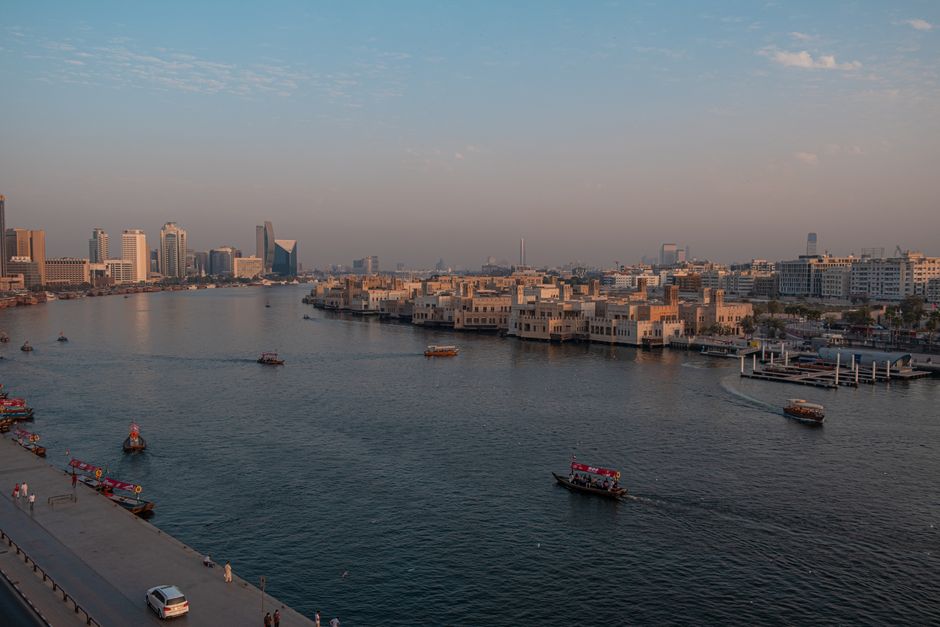
Crucially, the new port aligns perfectly with the UAE's long-term economic diversification strategy, reducing its historical reliance on hydrocarbon revenues. By reinforcing its status as a global logistics and trade powerhouse, Dubai is building a resilient, knowledge-based economy driven by innovation and connectivity. The enhanced port capabilities will also boost the emirate's manufacturing and re-export capabilities, as businesses leverage the efficient infrastructure to process and distribute goods globally. This strategic move is set to increase Dubai's competitiveness against other major regional ports, such as Saudi Arabia's King Abdullah Port or Oman's Duqm, solidifying its dominant position in the Gulf and beyond. The economic multiplier effect of such a large-scale infrastructure project will resonate throughout the economy, stimulating growth in ancillary industries and contributing significantly to the national GDP.
Geopolitical and Security Implications
The geopolitical and security implications of Dubai’s new port are substantial, extending far beyond economic benefits. By providing a direct access point to the Gulf of Oman, the facility significantly reduces the UAE’s vulnerability to potential disruptions within the Strait of Hormuz. This strategic autonomy grants the UAE greater flexibility and resilience in its foreign policy and defense posture, lessening the impact of regional tensions on its economic lifelines. It sends a clear message to potential adversaries that the UAE possesses alternative routes for its vital trade, diminishing the effectiveness of any threats to close the Strait.
This initiative also has the potential to influence regional maritime security strategies. As a major stakeholder with significant investments in secure trade routes, the UAE can play an even more prominent role in advocating for and contributing to regional stability and maritime security cooperation. It offers a tangible demonstration of a proactive approach to de-risking critical infrastructure in a volatile region. For the international community, particularly major trading nations and energy consumers, the new port represents a crucial step towards ensuring the uninterrupted flow of goods and energy from the Gulf. It provides a reliable alternative, mitigating the global economic shocks that would inevitably follow a prolonged closure or disruption of the Strait of Hormuz.
Moreover, the project subtly shifts regional power dynamics. By strengthening its logistical and trade independence, Dubai enhances the UAE's economic and strategic leverage within the GCC and on the global stage. It underscores the UAE's commitment to fostering stable trade environments, positioning it as a responsible and reliable actor in international affairs. The ability to secure its own trade routes independently reinforces national sovereignty and strategic depth, contributing to long-term stability and projecting an image of resilience and foresight in a complex geopolitical landscape.
Global Supply Chain Resilience
In an era marked by increasing volatility and unforeseen disruptions, Dubai’s new port initiative stands as a significant contribution to global supply chain resilience. The COVID-19 pandemic, geopolitical conflicts, and climate-related events have underscored the fragility of interconnected global trade networks. By offering a major, secure maritime gateway that bypasses the Strait of Hormuz, Dubai provides a vital alternative route for international shipping, acting as a crucial safety valve for global commerce.
This alternative route directly mitigates risks for a vast array of global businesses that rely on trade passing through the Gulf. Manufacturers, retailers, and raw material suppliers can now route their cargo through a less vulnerable channel, reducing the chances of delays, diversions, or disruptions caused by incidents in the Strait. This enhanced reliability translates into greater predictability for production schedules, inventory management, and delivery timelines worldwide. The availability of a secure alternative can also help stabilize global energy and goods prices by reducing the speculative premiums often associated with chokepoint dependencies.
The new port's advanced technological capabilities, including automation and digitalization, further enhance its contribution to resilience. Faster turnaround times, optimized cargo handling, and real-time visibility of shipments minimize bottlenecks and improve overall supply chain efficiency. This will attract new shipping lines and logistics providers seeking to diversify their routes and ensure robustness in their operations. Ultimately, Dubai's investment fosters a more robust and adaptable global trading system, allowing businesses and economies worldwide to better withstand future shocks and maintain continuity in an increasingly unpredictable world. It reinforces the principle that diversification and redundancy are key to building truly resilient global supply chains.
Environmental and Social Considerations
The development of a project on the scale of Dubai’s new port necessitates rigorous attention to environmental and social considerations, ensuring that economic progress is balanced with sustainability and community well-being. Comprehensive Environmental Impact Assessments (EIAs) will be critical to identify and mitigate potential ecological damage. This includes addressing concerns related to marine life habitats, particularly coral reefs and fish populations, which can be affected by dredging and construction activities. Measures such as careful site selection, controlled dredging techniques, and potential relocation of marine ecosystems will be vital. Coastal erosion and changes in water currents, which can impact local shorelines, will also require careful modeling and management.
The commitment to sustainable port practices extends to operational phases. As previously mentioned, the port aims for a reduced carbon footprint through the use of renewable energy, electric vehicles, and shore power for vessels. Waste management strategies will focus on recycling and waste-to-energy solutions, while water conservation measures will be integrated into the port's infrastructure. These efforts align with the UAE's broader national environmental strategies and its commitments under international climate agreements.
On the social front, the project is expected to generate significant local employment opportunities, from construction to long-term operational roles. This will contribute to economic growth and improved livelihoods for communities in and around the project area. Careful planning will be required to ensure fair labor practices, safe working conditions, and adequate housing for the workforce. Furthermore, community engagement initiatives will be crucial to address any concerns from local residents, ensuring that the development benefits rather than disrupts their way of life. Infrastructure development, such as improved roads and utilities, will also serve the wider community. By integrating robust environmental protection and social responsibility into its core planning, Dubai aims to create a port that is not only economically powerful but also a model of sustainable and inclusive development.
What Next: Milestones on the Horizon
Project Phases and Key Timelines
The realization of Dubai’s new port strategy involves a meticulously planned, multi-phase development schedule, each with specific milestones and timelines. The initial phase, which often includes extensive feasibility studies, environmental impact assessments, and detailed engineering designs, is likely already underway or nearing completion. This foundational work ensures the project’s viability and adherence to international standards. Following this, the critical infrastructure development phase will commence.
This phase typically involves massive dredging operations to create deepwater channels and berths capable of accommodating the largest ultra-large container vessels (ULCVs) and mega-ships. Concurrently, the construction of quay walls, breakwaters, and extensive land reclamation will shape the physical footprint of the new port. This stage alone can span several years due to its sheer scale and complexity. Subsequently, the construction of terminal buildings, administrative offices, customs facilities, and dedicated logistics zones will take place. This is followed by the installation of advanced port equipment, including automated quay cranes, yard cranes, and internal transport systems, often requiring specialized expertise and commissioning.
Expected completion dates will be staggered. An initial operational capacity, allowing the port to handle a significant volume of cargo, might be targeted within the next five to seven years, providing an early return on investment and demonstrating progress. Full build-out, encompassing all planned terminals, logistics parks, and integrated connectivity features, could extend over a 15-to-20-year horizon, reflecting the long-term vision and phased expansion approach. Throughout these phases, securing regulatory approvals from national and international maritime authorities, along with achieving international certifications for safety, environmental management, and security, will be continuous milestones. Pilot projects and rigorous testing of automated systems will precede full commercial operations to ensure seamless integration and optimal performance.
Attracting Investment and Partnerships
The successful execution and sustained growth of Dubai’s new port initiative will heavily rely on a robust strategy for attracting both public and private investment, alongside strategic partnerships. While significant government funding, primarily from the Dubai government and DP World, will form the backbone of the project, the sheer scale of investment required makes private sector participation indispensable. This could take the form of direct equity investments, syndicated loans, or public-private partnerships (PPPs) for specific components of the port or its ancillary logistics zones.
A key focus will be on engaging international shipping lines, global logistics companies, and industrial tenants. These entities represent the core clientele for the new port, and their early commitment through long-term leases or dedicated terminal agreements will be crucial for securing financing and ensuring future cargo volumes. Dubai will actively market the new port's distinct advantages on a global scale, highlighting its enhanced security, state-of-the-art technology, unparalleled efficiency, and strategic location outside the Strait of Hormuz. Roadshows, international trade fairs, and direct engagement with major players in global trade and manufacturing will be integral to this outreach.
Furthermore, collaboration with leading technology providers will be essential for developing and implementing advanced port solutions. Partnerships with companies specializing in AI, automation, blockchain, and green energy technologies will ensure the port remains at the forefront of innovation. These collaborations can accelerate technological adoption, reduce development risks, and create a truly smart and sustainable maritime hub. The combination of government backing, private capital, and strategic industry partnerships will be instrumental in transforming the ambitious vision for Dubai's new port into a tangible reality and a lasting economic asset.
Integration with Broader UAE Vision
Dubai’s new port project is not an isolated endeavor but an integral component of the UAE’s broader national development strategies and long-term economic visions. It aligns seamlessly with the Dubai Economic Agenda D33, an ambitious plan launched by Sheikh Mohammed bin Rashid Al Maktoum, Vice President and Prime Minister of the UAE and Ruler of Dubai, to double the emirate’s economy by 2033. The port will be a primary driver for achieving D33’s goals of increasing foreign trade, attracting FDI, and establishing Dubai as one of the top three global cities. Its enhanced trade capacity and secure logistics will be foundational to these targets.
Beyond D33, the project also contributes significantly to the UAE Centennial 2071, a long-term government plan aimed at making the UAE the best country in the world by its 100th anniversary. This vision emphasizes a diversified, knowledge-based economy, led by innovation, advanced sciences, and future industries. The new port, with its focus on automation, AI, and green technologies, embodies these principles, positioning the UAE as a global hub for smart logistics and sustainable trade practices. It will foster an environment conducive to research and development in maritime technology and logistics, attracting skilled professionals and fostering local talent.
Moreover, the port will create powerful synergies with other mega-projects and initiatives across the UAE. Its connectivity with the Etihad Rail network will integrate it into a national logistics backbone, facilitating trade across all seven emirates. It will complement new industrial zones and smart city initiatives, providing essential infrastructure for businesses to thrive. By enhancing the UAE's overall connectivity and strategic importance, the new port reinforces the nation's role as a leading global player in trade, investment, and innovation, ultimately strengthening its economic resilience and international standing in line with its ambitious national visions.
Monitoring and Adaptation
The dynamic nature of global trade, geopolitical landscapes, and technological advancements necessitates that Dubai’s new port project incorporates robust mechanisms for ongoing monitoring and adaptation. The long-term success of such a monumental investment hinges on its ability to remain relevant and competitive in a constantly evolving environment. Regular and comprehensive assessments of the geopolitical situation, particularly concerning the Strait of Hormuz and broader regional stability, will be crucial. This continuous intelligence gathering will inform strategic decisions regarding operational adjustments, security enhancements, and future expansion plans.
Equally important is the monitoring of global market demand and trade patterns. Shifting economic powers, evolving consumer preferences, and the emergence of new trade routes or blocs could influence cargo volumes and types. The port's design and operational protocols must possess inherent flexibility to adapt to these changes, ensuring it can efficiently handle diverse cargo mixes, respond to peak demands, and