



Wall St Week Ahead: Nvidia results, Anthropic IPO pose tests for tumultuous AI trade – Reuters
-
Tapas Pal / 1 week
- November 14, 2026
- 0
- 19 min read

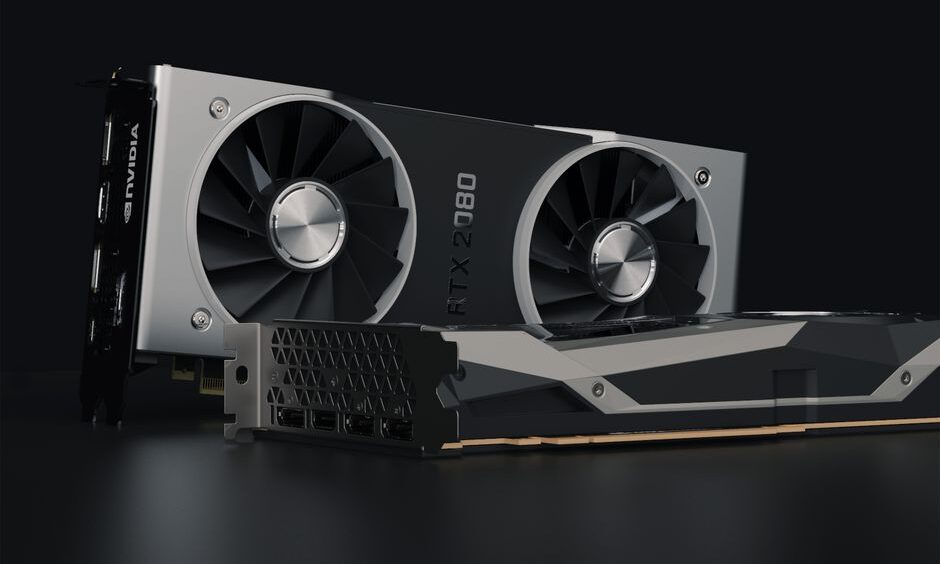
The upcoming week looms as a pivotal period for the artificial intelligence sector, with investors keenly awaiting Nvidia's latest quarterly earnings report and closely watching developments surrounding a potential market debut or significant funding round for generative AI startup Anthropic. These events are poised to provide critical insights into the sustainability of the AI boom and the valuations underpinning a market segment that has experienced both explosive growth and considerable volatility. Wall Street analysts and technology enthusiasts alike are bracing for outcomes that could either reinforce confidence in AI's transformative potential or signal a more cautious, scrutinizing phase for the burgeoning industry.
Background: The Ascent and Volatility of the AI Trade
The current fervor surrounding artificial intelligence is not a sudden phenomenon but rather the culmination of decades of research and development, accelerated dramatically by recent technological breakthroughs. The journey from theoretical concepts to practical, widely adopted applications has been marked by periods of intense optimism, followed by "AI winters," before the current resurgence. Understanding this trajectory is crucial for appreciating the significance of the upcoming market tests.
Genesis of the AI Boom
The foundational concepts of artificial intelligence, particularly machine learning and neural networks, have been explored since the mid-20th century. However, it was the advent of deep learning in the early 2010s, powered by increasingly sophisticated algorithms, vast datasets, and powerful computing hardware, that truly set the stage for the current era. Breakthroughs in areas like image recognition and natural language processing began to demonstrate AI's practical capabilities, albeit largely within academic and specialized industrial contexts.
The public consciousness, however, was fundamentally reshaped with the late 2022 launch of OpenAI's ChatGPT. This conversational AI chatbot, capable of generating human-like text, answering complex questions, and performing creative tasks, instantly captivated millions globally. Its accessibility and impressive capabilities demystified generative AI, sparking an unprecedented wave of interest from consumers, businesses, and investors. The promise of generative AI, capable of creating new content—text, images, code, video—from simple prompts, ignited a speculative frenzy, with projections of profound societal and economic transformation. Companies across every sector began to explore how AI could revolutionize their operations, product development, and customer engagement strategies.
Nvidia’s Dominance in AI Infrastructure
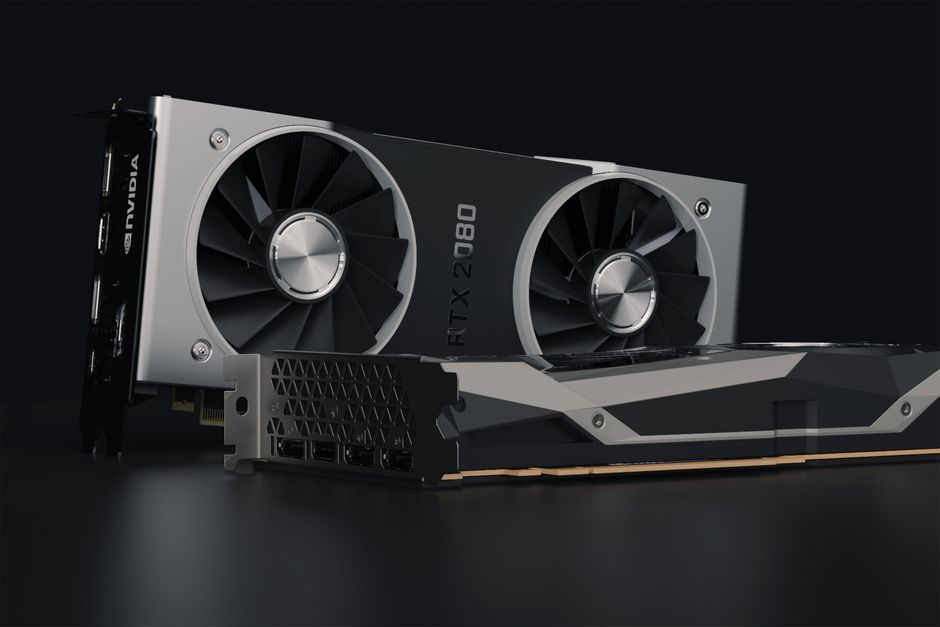
At the core of this AI revolution, largely unseen by the average user, lies a critical hardware component: the Graphics Processing Unit (GPU). Originally designed for rendering complex graphics in video games, GPUs proved exceptionally well-suited for the parallel processing demands of training large AI models. Nvidia, a company founded in 1993, had spent decades perfecting its GPU technology and developing the CUDA (Compute Unified Device Architecture) platform, a proprietary software layer that allows developers to harness the power of its GPUs for general-purpose computing.
This strategic foresight positioned Nvidia perfectly for the AI era. As AI models grew exponentially in size and complexity, the demand for Nvidia's high-performance GPUs, particularly its A100 and H100 Tensor Core GPUs, skyrocketed. The company quickly established an overwhelming market share, estimated to be between 80% and 90% of the AI chip market, making it the undisputed "picks and shovels" provider for the AI gold rush. Major cloud service providers like Microsoft Azure, Amazon Web Services (AWS), and Google Cloud, along with countless AI startups and research institutions, became primary customers, investing billions in Nvidia hardware to build and run their AI infrastructure.
Nvidia's stock performance reflected this dominance. From a relatively niche chipmaker, it transformed into one of the world's most valuable companies, seeing its market capitalization surge into the trillions of dollars. Its quarterly earnings reports became bellwethers for the entire technology sector, with revenue growth rates often exceeding 100% year-over-year, driven almost entirely by its data center division, which houses its AI chip sales.
The Rise of AI Model Developers
Parallel to Nvidia's hardware dominance, a new breed of companies emerged, specializing in developing the sophisticated AI models that run on this hardware. OpenAI, with its GPT series, became a household name. However, it was quickly joined by formidable competitors. Anthropic, founded by former OpenAI researchers, focused on developing "Constitutional AI" with an emphasis on safety and ethical alignment. Google DeepMind, a subsidiary of Alphabet, continued its groundbreaking research in areas like reinforcement learning and large language models (LLMs) with its Gemini series. Meta AI, under Facebook's parent company, also heavily invested in AI research, open-sourcing models like Llama to foster a broader developer ecosystem.
These companies engaged in an intense race for talent, compute resources, and proprietary data to train increasingly powerful foundation models. Billions of dollars poured into these startups through venture capital rounds and strategic investments from tech giants. The competition wasn't just about raw model performance; it extended to developing user-friendly interfaces, integrating AI into enterprise applications, and establishing strong ethical guidelines for AI development and deployment.
Market Dynamics and “Tumultuous” Trade
The rapid ascent of AI, fueled by technological breakthroughs and massive investment, inevitably led to market exuberance. Valuations for both public and private AI companies soared, often based on future potential rather than current profitability. This speculative environment contributed to the "tumultuous" nature of the AI trade.
Concerns began to mount regarding the actual profitability and widespread adoption rates of AI beyond the initial hype cycle. While impressive, many generative AI applications were still in early stages of commercialization, and the costs associated with training and running these models were substantial. The broader macroeconomic environment, characterized by rising interest rates and inflation concerns, also started to put pressure on high-growth, high-valuation tech stocks. Investors became more discerning, shifting from a broad "buy anything AI" mentality to a more selective approach, scrutinizing business models and paths to profitability.
The "Magnificent Seven" tech giants, including Nvidia, Apple, Microsoft, Amazon, Alphabet, Meta, and Tesla, largely drove market gains, creating a concentrated market where a few companies dictated overall sentiment. This concentration also meant that any significant news from these players could have outsized effects on the broader market. Furthermore, supply chain constraints for crucial AI hardware, particularly Nvidia's GPUs, created bottlenecks, adding another layer of complexity and potential volatility to the AI investment landscape.
Key Developments: Nvidia’s Earnings and Anthropic’s Market Debut
The upcoming period is characterized by two major events that will serve as crucial litmus tests for the current state and future trajectory of the AI market. Nvidia's quarterly earnings report will offer a granular view of the foundational hardware demand, while Anthropic's potential public offering or significant funding round will gauge investor appetite for pure-play generative AI software companies.
Nvidia’s Q1 Earnings Report: A Bellwether Event
Nvidia's earnings reports have become arguably the most anticipated events in the technology calendar. The company's performance is widely seen as a proxy for the health and pace of the entire AI industry, given its near-monopoly on the high-end AI accelerator market. The upcoming first-quarter earnings report for fiscal year 2025 (typically covering February-April, reported in May) is no exception.
Analysts have high expectations, projecting robust revenue growth, particularly within Nvidia's data center segment. Consensus estimates typically hover around substantial year-over-year increases in both revenue and earnings per share (EPS). Investors will be dissecting every detail, but the most critical aspect will be the company's guidance for the second quarter and the full fiscal year. Any deviation from optimistic forecasts could trigger significant market reactions, not just for Nvidia but for the broader tech and AI sectors.
Key metrics to watch include the sales figures for its Hopper architecture GPUs (like the H100) and any early indicators regarding demand for its next-generation Blackwell platform (e.g., the GB200 Superchip), which promises even greater performance. Demand from hyperscalers—Microsoft, Amazon, Google, and Meta—remains paramount, as these companies are the primary purchasers of Nvidia's most expensive and powerful chips for their AI cloud infrastructure. Commentary on order backlogs, production capacity, and lead times for its chips will also be closely scrutinized.
Beyond core sales, investors will look for updates on Nvidia's software and services initiatives, such as its CUDA platform and NVIDIA AI Enterprise suite, which represent efforts to diversify revenue streams and strengthen its ecosystem lock-in. The company's competitive landscape is also evolving, with rivals like AMD introducing their own MI300X AI accelerators and Intel pushing its Gaudi series. Additionally, major tech firms are increasingly designing custom Application-Specific Integrated Circuits (ASICs) to reduce reliance on Nvidia. Geopolitical factors, particularly U.S. export restrictions on advanced AI chips to China, continue to cast a shadow, and any commentary on how these regulations are impacting sales will be significant.
Anthropic’s Potential IPO or Funding Round: A Valuation Test
While Nvidia represents the hardware backbone, Anthropic stands as a prominent example of the software-centric generative AI model developer. Founded in 2021 by former OpenAI leaders, Anthropic distinguishes itself with a strong emphasis on AI safety and alignment, developing what it calls "Constitutional AI" to guide its models toward helpful, harmless, and honest outputs. Its flagship large language model, Claude, has become a significant competitor to OpenAI's GPT series and Google's Gemini. The latest iterations, Claude 3 Opus, Sonnet, and Haiku, have garnered critical acclaim for their performance and safety features.
Anthropic has attracted significant investment from tech giants, notably Amazon, which invested up to $4 billion, and Google, which committed $2 billion. These strategic partnerships provide capital and cloud compute resources, but also tie Anthropic closely to these hyperscalers. Previous private funding rounds have seen Anthropic's valuation soar, reportedly reaching $18 billion in late 2023.
Speculation has been rife regarding Anthropic's potential public offering. An IPO would be a landmark event, offering the public market its first direct opportunity to invest in a pure-play, leading generative AI foundation model developer. The timing of such an IPO would be crucial, depending on market conditions, investor appetite for high-growth tech, and Anthropic's own readiness. Alternatively, the company might opt for another substantial private funding round to continue its rapid development and expansion.
The significance of Anthropic's market debut, whether public or private, lies in how investors will value a company whose primary product is an advanced AI model. Unlike Nvidia, which sells tangible hardware, Anthropic's value is derived from its intellectual property, research capabilities, and the commercial adoption of its API and enterprise solutions. Challenges include demonstrating a clear path to profitability amidst intense competition, the high costs of AI research and compute, and navigating the evolving regulatory landscape surrounding AI ethics and governance. Its valuation will be benchmarked against private market transactions for companies like OpenAI, which has conducted tender offers for employee shares at valuations exceeding $80 billion, highlighting the massive capital flowing into this space.
Broader AI Sector Performance
Beyond these two titans, the performance of the broader AI sector has been mixed. While many AI-adjacent stocks—ranging from software companies integrating AI into their products to smaller chipmakers and service providers—initially surged, some have experienced corrections or pullbacks. This reflects a maturation of investor sentiment, moving from indiscriminate enthusiasm to a more selective approach. Companies with clear revenue models, strong customer adoption, and a demonstrable return on AI investment are beginning to differentiate themselves from those with more speculative prospects. The upcoming events will provide further signals, potentially accelerating this divergence.
Impact: Repercussions Across the AI Ecosystem
The outcomes of Nvidia's earnings report and Anthropic's market move will send ripples throughout the entire AI ecosystem, influencing investor behavior, funding landscapes, competitive dynamics, and even the pace of enterprise AI adoption.
Investor Confidence and Market Sentiment
Nvidia's earnings report carries immense weight for investor confidence. If the company exceeds expectations and provides strong forward guidance, it will reinforce the narrative of sustained, explosive growth in AI infrastructure demand. This could lead to a renewed rally in AI-related stocks and bolster overall market sentiment, particularly for the broader technology sector. Conversely, any disappointment—whether in current results or future outlook—could trigger a significant sell-off, potentially impacting not just Nvidia but also cloud providers, AI software firms, and other chipmakers. Such a downturn could lead investors to question the lofty valuations currently assigned to many AI companies.
Similarly, Anthropic's valuation, whether through an IPO or a private funding round, will serve as a crucial barometer for how public and sophisticated private markets value pure-play generative AI model developers. A strong debut would validate the substantial investments made in these companies and potentially open the IPO window for other prominent AI startups. A lukewarm or disappointing reception, however, could inject caution into the market, prompting a re-evaluation of the entire generative AI software segment. It would force investors to scrutinize business models, customer acquisition costs, and the long-term profitability prospects of these AI intellectual property powerhouses more closely.
Funding Landscape for AI Startups
The success or struggles of Nvidia and Anthropic will directly influence the venture capital and private equity landscape for AI startups. Positive outcomes could inject fresh optimism, encouraging VCs to continue funding innovative AI companies, particularly those demonstrating strong technological differentiation or clear market traction. This could lead to more robust funding rounds and potentially more exits through IPOs or acquisitions.
Conversely, if the market reacts negatively, it could tighten the funding spigot. Investors might become more risk-averse, demanding clearer paths to revenue, stronger unit economics, and more sustainable business models from AI startups. This could lead to a slowdown in funding rounds, increased scrutiny during due diligence, and potentially a consolidation phase where smaller, less capitalized startups struggle to compete or are acquired by larger players. The focus would shift from "growth at all costs" to "profitable growth," a significant pivot for many early-stage AI ventures.
Competitive Dynamics in AI Hardware and Software
Nvidia's continued dominance or any signs of weakening will profoundly affect the competitive landscape in AI hardware. If Nvidia maintains its incredible growth trajectory, it will strengthen its position, making it even harder for competitors like AMD and Intel to gain significant market share. This could spur further investment in Nvidia's R&D, deepening its technological lead. However, if there are signs of slowing demand or increased competition, it could embolden rivals and accelerate efforts by hyperscalers to develop custom AI chips, potentially diversifying the supply chain over the long term.
In the generative AI software space, Anthropic's market performance will directly impact its standing against formidable rivals like OpenAI, Google, and Meta. A strong valuation would provide Anthropic with significant capital to further develop its Claude models, expand its enterprise offerings, and attract top talent. It would also validate its "Constitutional AI" approach as a viable commercial strategy. Conversely, a less-than-stellar outcome could intensify the pressure to differentiate, innovate faster, and prove commercial viability against well-funded competitors, potentially leading to increased pricing competition or a greater focus on niche applications.
Enterprise Adoption and Use Cases
Market signals from these key events will also influence corporate IT spending on AI. If Nvidia's results confirm robust demand from cloud providers, it indicates that enterprises are indeed scaling up their AI infrastructure. Similarly, if Anthropic's valuation is strong, it suggests that the market believes in the commercial viability of advanced AI models for business applications. This could encourage more companies to invest in AI initiatives, move beyond pilot projects, and accelerate the integration of generative AI into their workflows, products, and services.
However, if the market reacts negatively, it could lead to caution among corporate decision-makers. Companies might delay large-scale AI investments, demanding more concrete proof of return on investment (ROI) before committing significant resources. There is a risk of "AI fatigue" setting in if the initial hype does not translate into demonstrable productivity gains or cost savings for businesses. The focus will increasingly shift from the novelty of AI to its practical, measurable benefits for the enterprise.
Regulatory Scrutiny and Geopolitics
The heightened attention surrounding Nvidia and Anthropic will also intensify regulatory scrutiny. Nvidia's near-monopoly in AI chips has already drawn attention from antitrust bodies globally, and its continued growth could lead to further investigations into market concentration. Similarly, the rapid rise of powerful generative AI models from companies like Anthropic raises ongoing concerns about AI safety, ethics, bias, and potential misuse. Governments worldwide are scrambling to develop regulatory frameworks, and the commercial success or challenges of these companies will likely inform the urgency and direction of these policies.
Geopolitical tensions, particularly the U.S.-China tech rivalry, remain a critical factor. Export controls on advanced AI chips continue to affect Nvidia's sales to China, and any updates on this front will be closely watched. The broader competition for AI leadership between major global powers means that the performance of key national champions like Nvidia and Anthropic has strategic implications beyond just financial markets.
What Next: Navigating the Future of AI Investment
Beyond the immediate market reactions to Nvidia's earnings and Anthropic's potential market debut, the AI sector is poised for continued evolution. Investors, developers, and enterprises will need to navigate a landscape characterized by ongoing innovation, intensifying competition, and increasing demands for practical value.
Beyond the Immediate Events: Long-Term Outlook for Nvidia
Nvidia's long-term strategy extends far beyond selling individual GPUs. The company is actively working to cement its ecosystem dominance through continuous innovation in its hardware architectures. The rollout of its Blackwell platform, with its GB200 Superchips and sophisticated networking solutions, is crucial for maintaining its technological lead. Nvidia is also investing heavily in next-generation architectures that promise even greater compute efficiency and new capabilities.
Crucially, Nvidia is expanding its reach into new, high-growth markets. Its AI platforms are being adapted for robotics, autonomous driving (e.g., NVIDIA DRIVE), healthcare AI (e.g., NVIDIA Clara), and industrial metaverse applications (e.g., NVIDIA Omniverse). These initiatives aim to diversify its revenue streams and reduce its reliance solely on data center AI training. Furthermore, the company is increasingly focusing on its software and services, aiming to make its CUDA platform and NVIDIA AI Enterprise suite indispensable for developers and enterprises. By strengthening its ecosystem lock-in, Nvidia seeks to create a formidable moat that extends beyond mere hardware sales, ensuring its enduring relevance in the AI era.
Anthropic’s Path Post-Debut
Regardless of whether Anthropic opts for an IPO or another private funding round, its immediate future will involve several critical strategic imperatives. A primary focus will be on scaling the capabilities and adoption of its Claude models. This includes improving model performance, reducing inference costs, and expanding its multilingual and multimodal capabilities. Monetization strategies will be key, primarily through API access for developers and tailored enterprise subscriptions for corporate clients seeking secure, reliable, and ethically aligned AI solutions.
Anthropic will need to navigate intense competition not only from large tech companies like OpenAI, Google, and Meta but also from the burgeoning open-source AI community. Open-source models, while often requiring more technical expertise to deploy, offer cost advantages and greater flexibility, posing a significant challenge to proprietary model developers. Anthropic's commitment to AI safety and alignment, often seen as a differentiator, will need to be balanced with commercial pressures to innovate rapidly and deliver competitive products. Demonstrating that its safety-first approach can translate into tangible business value and customer trust will be paramount.
Evolution of the AI Investment Thesis
The AI investment thesis is expected to evolve significantly. The initial "picks and shovels" phase, where hardware providers like Nvidia saw exponential growth, may gradually give way to a greater emphasis on "applications and services." Investors will increasingly scrutinize companies that demonstrate how AI can be effectively integrated into specific vertical industries, deliver measurable productivity gains, or create entirely new market categories.
There will be increased scrutiny on unit economics, customer acquisition costs, and the true profitability of AI-powered products and services. The focus will shift from speculative potential to tangible financial results. This maturation will also likely see the emergence of specialized AI niches, such as edge AI (AI processing on devices rather than in the cloud), purpose-built vertical AI solutions (e.g., AI for legal, healthcare, finance), and AI tools designed for specific professional functions. Mergers and acquisitions are also likely to play a larger role, as larger tech companies and well-funded startups seek to consolidate talent, technology, and market share.
Macroeconomic Influences
The broader macroeconomic environment will continue to exert a powerful influence on the AI sector. The trajectory of interest rates, inflation levels, and overall global economic growth will dictate investor appetite for risk and the valuation multiples assigned to high-growth technology companies. A sustained period of high interest rates could depress valuations and make it more challenging for companies to raise capital, even in a booming sector like AI. Conversely, a dovish shift by central banks could reignite investor enthusiasm. Election year uncertainties in major economies also add a layer of unpredictability, potentially impacting policy, trade, and market stability.
The Maturation of AI
Ultimately, the AI sector is transitioning from an early, hyped phase to one of maturation and practical implementation. The focus is shifting from simply demonstrating what AI *can* do to proving how it *can* solve real-world problems, enhance productivity, and create sustainable economic value. This involves a greater emphasis on robust, ethical, and trustworthy AI deployments. While research breakthroughs will undoubtedly continue, the industry's success will increasingly hinge on its ability to translate these innovations into reliable, scalable, and beneficial applications that deliver tangible ROI for businesses and genuinely improve the lives of consumers. The coming weeks, with Nvidia's earnings and Anthropic's market moves, will provide critical signposts on this ongoing journey.