
AI News Today (January 5, 2026) Top AI News and Breakthroughs
-
Avick kumar Dey / 2 months

- January 5, 2026
- 0
- 5 min read
Jan 5 (AI News Update)- As the first full business week of the year kicks off, the AI industry is buzzing with anticipation ahead of CES 2026 in Las Vegas. Major announcements from tech giants, groundbreaking research papers, corporate acquisitions, and economic warnings dominate the headlines. This day underscores AI’s rapid integration into everyday life, from smart homes to industrial robotics, while highlighting emerging challenges like resource strains and geopolitical shifts.
Here are the primary AI news updates making waves today on 5 Jan, 2026:
1. Samsung’s “Companion to AI Living” Vision at CES 2026
Samsung is doubling down on AI as a core strategy, unveiling its “Your Companion to AI Living” theme at the pre-CES “First Look” event. Samsung’s announcements signal a shift toward seamless, AI-orchestrated home ecosystems.
- The Vision AI Companion (VAC) is a new AI engine powering Samsung’s 2026 TV lineup. It enables on-screen object identification, allowing users to send recipes directly to connected smart appliances like refrigerators or ovens.
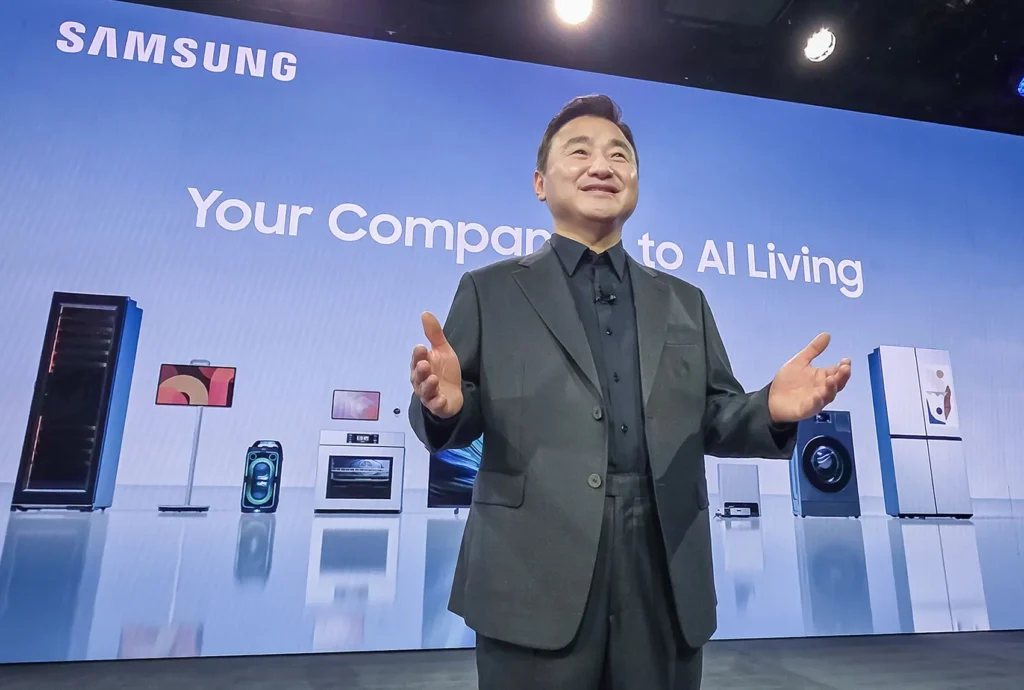
- AI-integrated smart appliances, including the Family Hub refrigerator enhanced with Google Gemini, track food inventory and provide personalized eating habit reports.
- In health and care, Samsung showcased AI-powered monitoring via wearables, including early research into dementia detection.
2. Meta Completes Acquisition of Manus AI
Meta finalized its acquisition of Manus AI, a Singapore-based startup with Chinese roots specializing in autonomous AI agents.
Announced on December 30, 2025, the acquisition underscores Meta’s aggressive strategy to lead in the shift from generative AI to agentic systems, positioning 2026 as a pivotal year for autonomous agents in consumer and enterprise use.
- This move propels Meta toward agentic AI, enabling agents to handle complex, multi-step tasks autonomously far beyond basic chatbots.
- Geopolitically, Meta has committed to discontinuing Manus operations in China, severing remaining ties to Chinese investors.
The deal, valued at over $2 billion, accelerates Meta’s push into practical AI applications across its platforms.
3. DeepSeek Unveils “mHC” Architecture
Chinese AI firm DeepSeek published a highly anticipated technical paper on its Manifold-Constrained Hyper-Connections (mHC) method.
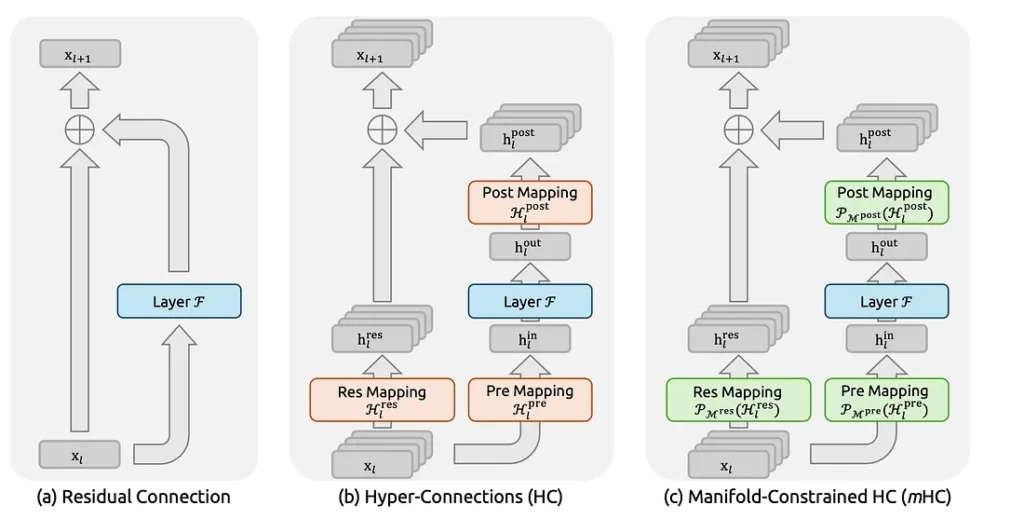
- mHC addresses training instability (“crashes”) in large models by constraining information flow while preserving rich connections.
- Tests demonstrate scalable performance with minimal overhead (around 6.7%), making efficient training feasible on constrained hardware.
This breakthrough reinforces China’s efficiency-focused approach to AI scaling amid resource limitations.
4. Massive Cybersecurity Startup Accelerator Launch
CrowdStrike, AWS, and NVIDIA announced the selection of 35 startups for their third annual Cybersecurity Startup Accelerator.
- The program emphasizes AI-driven defense in cloud security, offering mentorship, funding, and ecosystem access.
- Running from January 5 to March 3, 2026, it culminates in a Demo Day during the RSA Conference.
This initiative highlights growing investments in securing AI infrastructures.
5. Economic Warnings: AI-Driven Inflation
A Reuters report flagged AI-driven inflation as 2026’s most overlooked market risk.
- Explosive demand for data centers strains energy grids and supply chains, potentially elevating costs and interest rates.
- Memory chip shortages are already pushing up prices for consumer devices like smartphones and laptops.
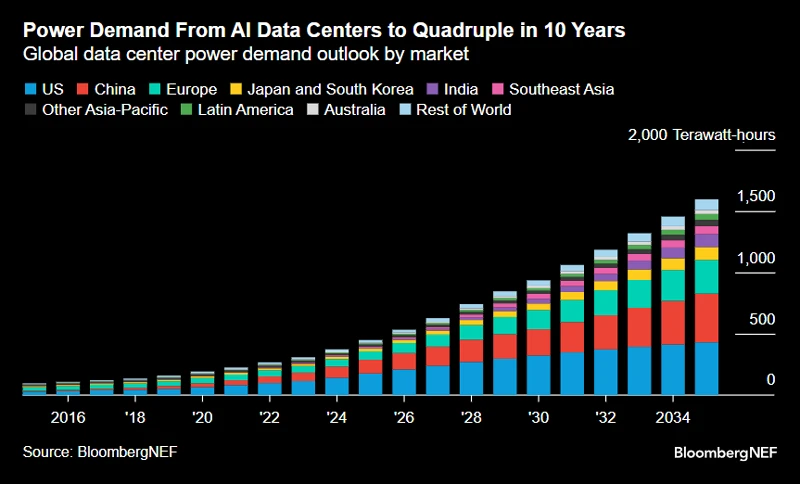
Investors warn this could prick the AI-fueled market bubble if central banks tighten policy.
6. New AI Hardware & Research Breakthroughs
- Chips&Media and Visionary.ai launched the world’s first AI-based full Image Signal Processor (ISP), enabling software-defined cameras with superior low-light and adaptive performance.

- Partnerships like Fiserv and Mastercard advance “agentic commerce,” where AI agents autonomously manage transactions.
7. LG’s “Zero Labor Home” with CLOiD
LG previewed its CLOiD AI-powered home robot at CES.
- Demonstrations showed physical tasks like retrieving items, initiating laundry cycles, drying, and folding clothes.
- As a mobile AI hub, CLOiD coordinates appliances via generative AI interfaces.
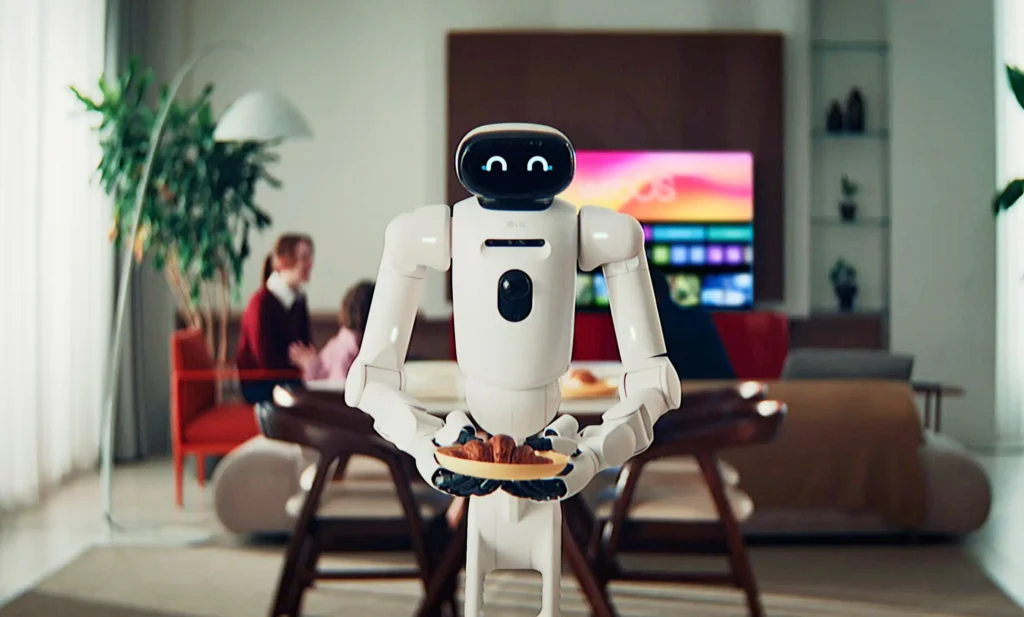
This embodies the shift toward practical home robotics.
8. Optical Design Breakthrough at Penn State
Penn State researchers advanced LLM applications in physical engineering, using AI to design complex metasurfaces in milliseconds tasks that once took months.
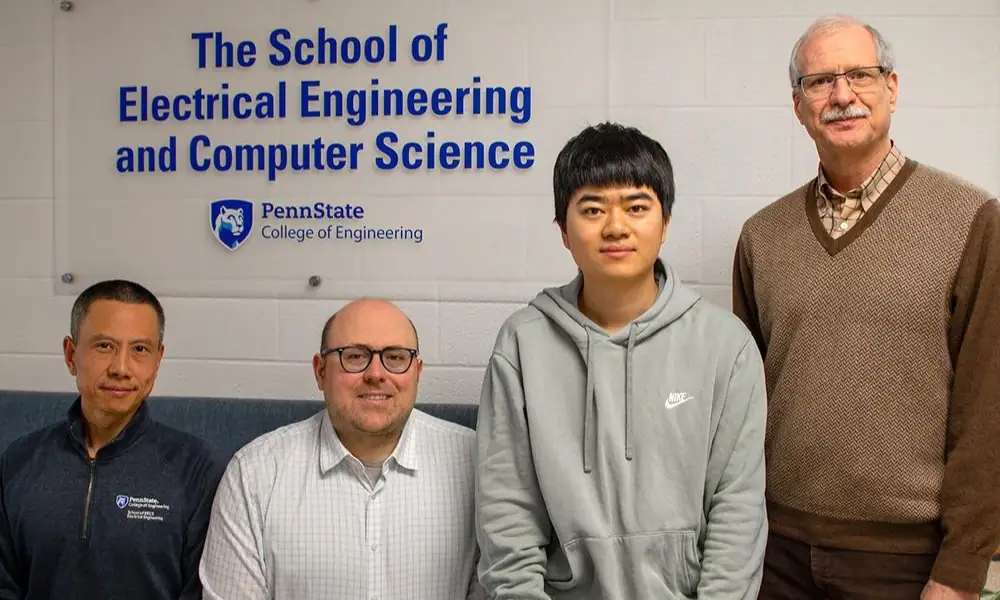
The new approach integrates LLMs directly into the process, allowing engineers to input natural-language descriptions of desired optical behaviors. The AI then generates precise metasurface designs in milliseconds, bypassing time-intensive custom neural networks and simulations. Even researchers without specialized knowledge in metasurface physics can now prompt the system effectively, democratizing access to this cutting-edge technology and slashing development timelines from months to near-instantaneous.
9. The Rise of “Physical AI” and Tactile Sensing
Pre-CES briefings emphasized AI embodying the physical world.
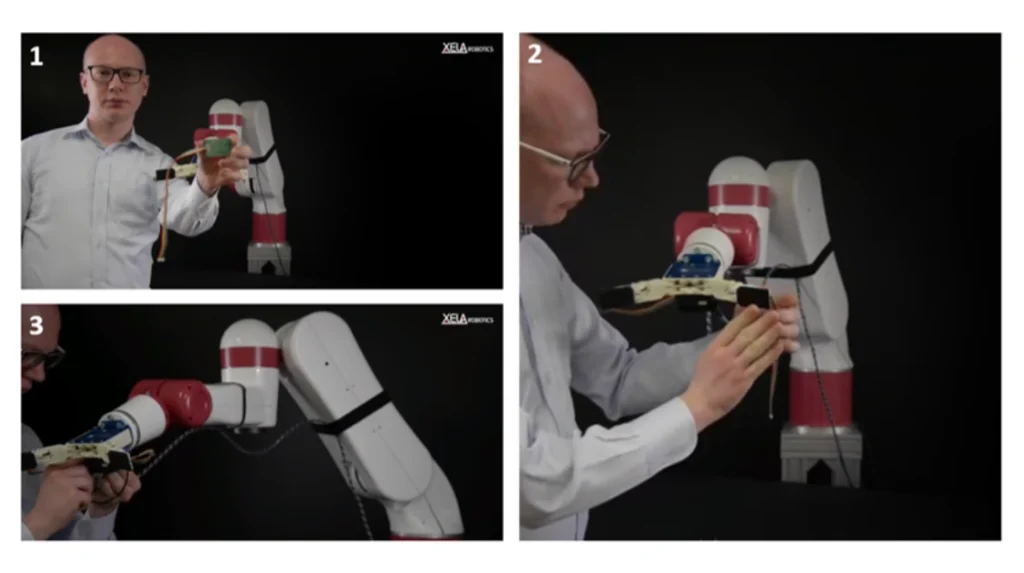
- XELA Robotics showcased 3D tactile sensors (uSkin) for human-like touch in robots, enabling delicate handling.
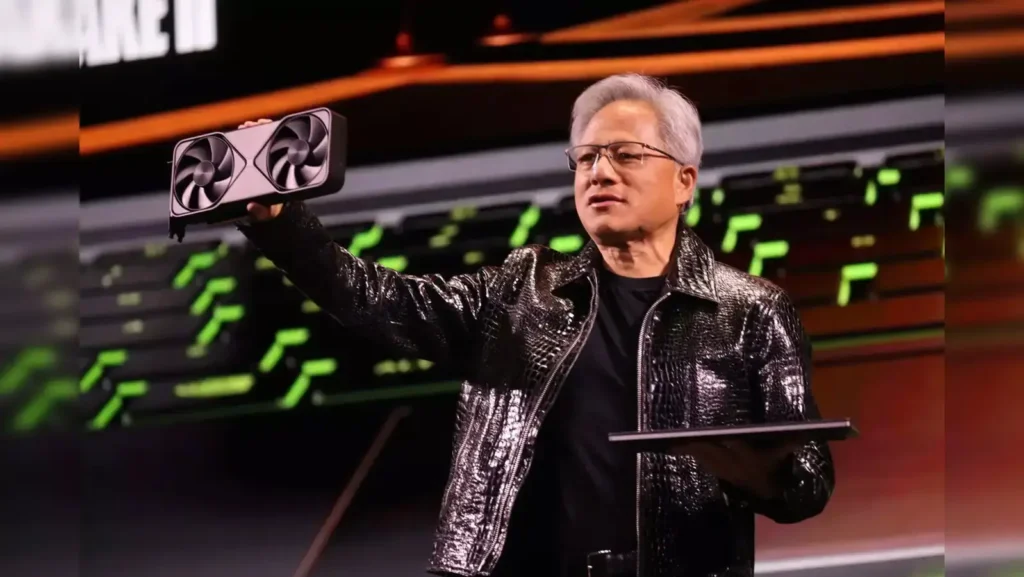
- NVIDIA CEO Jensen Huang highlighted integrating AI into robotic actuators for self-correcting systems.
10. Global Policy and “Sovereign AI”
- India’s upcoming AI Impact Summit 2026 positions the country as a neutral hub for “frugal AI” focused on affordable, energy-efficient models designed for real-world use across the Global South, including healthcare, agriculture, and education.
- U.S. policy shifts signal a more pragmatic AI stance, with faster data center approvals and selectively relaxed AI chip export rules to China, aimed at boosting infrastructure growth while easing pressure on global semiconductor supply chains.
11. AI Healthcare Commercialization
- Platforms like SENA Health reported explosive growth in AI “Command Centers” for medical operations.
- Insilico Medicine’s fully AI-designed drug entered Phase IIa trials with positive early results.
12. Consumer Impact: Memory Shortages & Rising Prices
AI data center demand exacerbates DRAM shortages, inflating 2026 device prices. CES previews show manufacturers adapting with scaled-back configurations or premium pricing for AI-capable hardware.
Ending Notes
As CES 2026 unfolds, these developments paint a picture of AI maturing from hype to tangible impact transforming homes, industries, and economies. Yet, warnings of inflation and resource constraints remind us that rapid progress comes with trade-offs. 2026 promises to be a pivotal year for balancing innovation with sustainability.