


Alia Bhatt REACTS to post claiming Tiger Shroff’s shooters were also targeting Ranbir Kapoor; amid trolli – The Times of India
-
Tapas Pal / 1 week
- October 22, 2026
- 0
- 19 min read

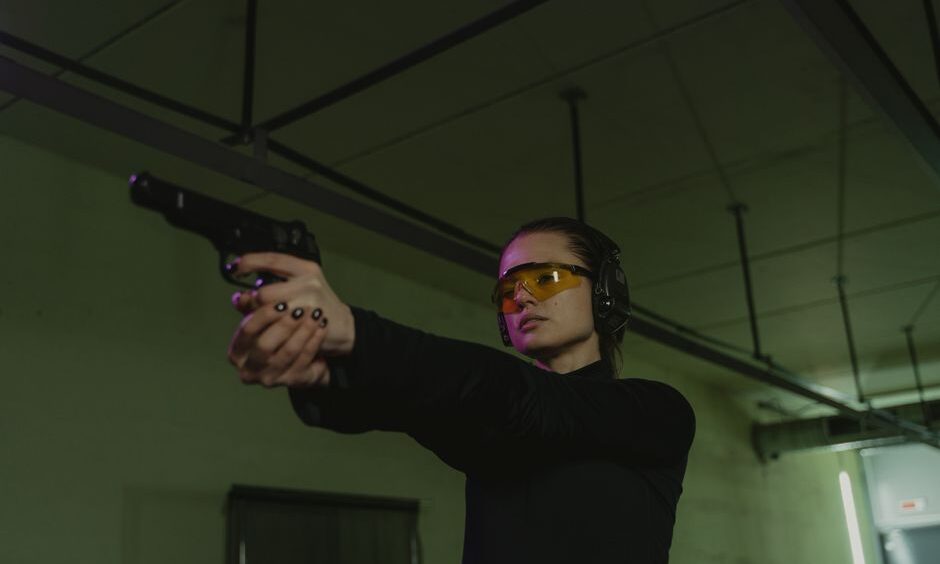
Mumbai, India – In a significant development that has sent ripples across the entertainment industry and sparked widespread public debate, actress Alia Bhatt recently addressed a viral social media post claiming that individuals allegedly involved in a shooting incident targeting Tiger Shroff’s business manager were also planning to target her husband, actor Ranbir Kapoor. Bhatt’s measured response, delivered amidst an environment of heightened concern over celebrity security, has brought the intricate challenges of online misinformation and real-world threats into sharp focus. The incident underscores the pervasive nature of organized crime targeting high-profile figures and the emotional toll such unverified claims can take on families, prompting renewed discussions about safety protocols within Bollywood.
Background: The Evolving Landscape of Celebrity Threats
The current climate of concern surrounding Ranbir Kapoor’s safety is not an isolated incident but rather a continuation of an escalating pattern of threats against prominent Bollywood figures, most notably actor Salman Khan. For years, Khan has been the primary target of the notorious Lawrence Bishnoi gang, a criminal syndicate with deep roots in Rajasthan and Punjab, operating through an extensive network of associates.
The Genesis of Threats: The Lawrence Bishnoi Network
The animosity of the Lawrence Bishnoi gang towards Salman Khan dates back to the 1998 blackbuck poaching case. Bishnoi, who hails from the Bishnoi community that reveres blackbucks, has publicly declared his intention to avenge the animal's death, viewing Khan's acquittal and subsequent legal battles as an affront to his community's beliefs. This vendetta transformed into a series of explicit threats, escalating significantly over the past few years.
Lawrence Bishnoi, currently incarcerated, has consistently used media interviews and his gang's social media channels to reiterate his threats against Khan. His gang, known for its sophisticated extortion rackets and violent enforcement, has demonstrated its capability to execute complex operations. The assassination of Punjabi singer Sidhu Moose Wala in May 2022, for which Bishnoi's gang claimed responsibility, served as a stark reminder of their lethal reach and ruthlessness. This incident particularly amplified fears within the entertainment fraternity, as it showcased the gang's ability to bypass security and execute high-profile targets.
Following Moose Wala's murder, the threats against Salman Khan intensified. Several alleged attempts on his life were foiled by law enforcement agencies, including a reported plan to ambush his car with a rifle and a separate plot involving a sharpshooter positioned outside his farmhouse. These revelations prompted the Maharashtra government to upgrade Khan's security to Y+ category, providing him with armed police escorts and private security personnel, and necessitating the use of armored vehicles for his public appearances. The constant vigilance and visible security apparatus surrounding Khan have become a grim symbol of the challenges faced by celebrities in an increasingly volatile environment.
The Tiger Shroff Associate Incident: A Precursor
Against this backdrop of heightened security concerns, a new incident emerged that brought the issue of organized crime targeting Bollywood closer to home for other actors. Reports surfaced regarding a shooting incident involving an individual identified as a business manager associated with actor Tiger Shroff. While initial details were scarce, subsequent police investigations revealed a more disturbing narrative.
The incident, which reportedly occurred in a suburban area of Mumbai, involved unidentified assailants opening fire, though details on whether the target was injured or if it was a warning shot varied in early reports. What became clear was the alleged involvement of the same criminal network or its affiliates that had been threatening Salman Khan. Law enforcement agencies quickly initiated a comprehensive investigation, identifying potential links to extortion attempts and the broader agenda of the Bishnoi gang to assert dominance and instill fear within the entertainment industry. The modus operandi, involving intimidation and a show of force, mirrored the tactics employed in previous instances. This incident served as a chilling reminder that the threats were not confined to a single individual but represented a systemic risk to those associated with the film industry.
The Viral Post: Drawing a Direct Link to Ranbir Kapoor
The situation took a dramatic turn with the emergence of a viral social media post that directly implicated Ranbir Kapoor. The post, widely circulated across platforms like X (formerly Twitter) and Instagram, claimed that the individuals apprehended or identified in connection with the Tiger Shroff associate shooting were also targeting Ranbir Kapoor. Specifically, it suggested that Kapoor was either on their hit list or that his residence had been surveilled as part of a larger criminal scheme.
The post typically featured screenshots of news reports about the Tiger Shroff associate incident juxtaposed with text explicitly naming Ranbir Kapoor, often accompanied by alarming warnings or speculative narratives. The rapid dissemination of this unverified information caused immediate alarm among Kapoor's fans, industry colleagues, and the general public. Social media became a hotbed of concern, with users debating the veracity of the claims, expressing fear for Kapoor's safety, and calling for immediate police intervention.
The virality of the post highlighted the dual nature of social media: its power to connect and inform, but also its perilous capacity to spread misinformation and fuel panic. In an age where information travels at lightning speed, distinguishing between credible news and speculative rumors becomes increasingly challenging, especially when dealing with sensitive topics like celebrity safety and organized crime. The post, irrespective of its factual basis, successfully injected a new layer of anxiety into the ongoing narrative of threats against Bollywood personalities.
Prior to this specific viral post, Ranbir Kapoor's security situation had not been publicly detailed in the same vein as Salman Khan's. While high-profile actors naturally maintain a degree of private security, there had been no widely reported, explicit threats against Kapoor from known criminal syndicates. This made the viral post particularly unsettling, as it suddenly placed him within the direct crosshairs of a formidable and violent gang, shifting the focus of industry-wide security concerns from one superstar to another.
Key Developments: Alia Bhatt’s Stance and Official Responses
The widespread circulation of the social media post directly implicating Ranbir Kapoor in potential gang-related threats necessitated a response from those closest to him. Alia Bhatt, his wife and a prominent actress herself, became the first family member to publicly address the escalating concerns, offering a nuanced perspective that sought to balance reassurance with an acknowledgment of the seriousness of the situation.
Alia Bhatt’s Measured Response
Alia Bhatt chose a public platform, likely a media interaction during a film promotion or an industry event, to deliver her statement. Her words were carefully chosen, reflecting a desire to calm anxieties without appearing dismissive of genuine security issues. She reportedly emphasized that such matters are best left to the authorities and that the family was taking all necessary precautions.
While the exact phrasing might vary across news reports, the gist of her reaction conveyed a sense of cautious optimism, coupled with an underlying awareness of the potential dangers. She reportedly stated that "everything is fine" or words to that effect, aiming to reassure fans and the public that the family was not in immediate panic. However, this reassurance was often accompanied by an implicit acknowledgment that security measures were indeed being reviewed and strengthened. Bhatt's response also subtly highlighted the emotional toll such unverified claims and constant public scrutiny take on individuals and families. By choosing to address the matter directly, albeit briefly, she aimed to regain control of the narrative, steering it away from unbridled speculation and towards a more grounded reality. Her demeanor was reportedly calm and composed, projecting strength while navigating a sensitive and potentially frightening situation.
The decision to speak out, even minimally, underscored the pressure celebrities face to address public concerns, especially when their loved ones are involved. Her statement served as a crucial point of contact between the anxious public and the private world of the Kapoor family, providing a much-needed, albeit brief, update.
Police Scrutiny and Official Statements
Following the initial reports of the Tiger Shroff associate incident and the subsequent viral post naming Ranbir Kapoor, law enforcement agencies in Mumbai initiated comprehensive investigations. The Mumbai Police, known for its proactive approach in matters of celebrity security, swiftly moved to verify the claims and assess the authenticity of the threats.
Official police sources, while often cautious about divulging sensitive details of ongoing investigations, generally confirmed that they were looking into the matter. Their primary focus was on two fronts:
1. Investigating the Tiger Shroff Associate Incident: This involved identifying the perpetrators, understanding their motives (whether extortion, intimidation, or a direct attempt at violence), and establishing their links to larger criminal networks like the Lawrence Bishnoi gang. Arrests were reportedly made, and the investigation aimed to uncover the full extent of the conspiracy.
2. Verifying the Ranbir Kapoor Claim: Police began to scrutinize the viral social media post itself. This involved tracing the origin of the post, assessing the credibility of the information it contained, and determining if there was any tangible evidence to support the claim that Ranbir Kapoor was indeed a target. The police's cybercrime unit likely played a crucial role in this, attempting to differentiate between genuine intelligence and deliberate misinformation or panic-mongering.
While specific official statements regarding enhanced security for Ranbir Kapoor were not always immediately public, it is standard protocol for law enforcement to review and, if necessary, upgrade the security detail of high-profile individuals when credible threats emerge. This often involves discreet surveillance, increased patrolling around residences, and direct communication with the concerned individuals and their private security teams. The police's role was not just reactive but also proactive, aimed at preventing any untoward incidents and restoring a sense of security within the film fraternity.
Industry Solidarity and Concerns
The incidents, particularly the direct mention of Ranbir Kapoor, resonated deeply within the film industry. While many celebrities refrained from making public statements, a palpable sense of concern and solidarity emerged. Private discussions among producers, directors, and actors reportedly focused on the increasing vulnerability of public figures to organized crime and the challenges posed by online misinformation.
Film bodies and associations, while not always issuing official statements on individual security matters, often engage in internal dialogues with law enforcement to address broader security concerns. The collective anxiety stemmed from the realization that if such powerful gangs could openly threaten and potentially target multiple superstars, it created an unsafe environment for the entire industry. This led to renewed discussions about:
* Standard Security Protocols: Evaluating and upgrading existing security measures for film sets, public appearances, and celebrity residences.
* Information Sharing: The need for better coordination between celebrity security teams and law enforcement agencies.
* Combating Misinformation: Strategies to counter the rapid spread of unverified and potentially dangerous claims on social media.
The "trolling" mentioned in the prompt likely refers to the broader online discourse surrounding these events. While Alia Bhatt's reaction itself might not have been directly trolled, the overall situation has led to a torrent of online commentary, ranging from genuine concern and support to speculative theories, unwarranted criticism, and sometimes, insensitive remarks. This online environment, characterized by its rapid dissemination of information and often anonymous nature, further complicates the already sensitive issue of celebrity safety, making it difficult for public figures to navigate threats both real and perceived. The collective reaction of the industry, though often behind closed doors, underscored the gravity of the situation and the shared vulnerability felt by many.
Impact: Ripple Effects Across the Industry and Beyond
The threats against high-profile actors like Salman Khan, the incident involving Tiger Shroff's associate, and the subsequent viral post implicating Ranbir Kapoor have created a significant impact, extending far beyond the immediate individuals involved. These events have touched upon the emotional well-being of families, influenced industry practices, challenged law enforcement, and shaped public perception of celebrity life and organized crime.
Personal Toll on the Kapoors and Bhatts
For Ranbir Kapoor, Alia Bhatt, and their infant daughter Raha, the personal impact is profound and multifaceted. The sudden emergence of a credible or even widely speculated threat from a notorious criminal gang introduces an intense layer of fear and anxiety into their daily lives.
* Emotional Distress: The constant awareness of potential danger, even if mitigated by security, can be emotionally draining. Living under the shadow of threats can lead to stress, anxiety, and a sense of vulnerability, affecting mental well-being. Alia Bhatt's measured response, while outwardly calm, likely masked significant internal concern for her husband and family.
* Security Adjustments: The family has undoubtedly had to review and enhance their personal security protocols. This could involve increasing the number of private security personnel, upgrading home security systems, altering travel routes, and being more cautious about public appearances. Such adjustments, while necessary, can be disruptive to normal life and reduce personal freedom.
* Impact on Raha: While Raha is too young to comprehend the situation, the heightened security and palpable tension within the household can indirectly affect her environment. Parents often strive to shield their children from such realities, but the presence of increased security and altered routines can be noticeable.
* Public Scrutiny: The constant media attention and public discussion surrounding the threats add another layer of pressure. Every public appearance, every social media post, and every statement is scrutinized, making it difficult for the family to maintain a sense of normalcy and privacy.
Broader Industry Implications
The film industry as a whole experiences significant ripple effects from such incidents, leading to both immediate and long-term changes.
* Heightened Anxiety: There is a pervasive sense of unease among actors, producers, and crew members. The realization that any prominent figure could become a target fosters a climate of fear, potentially affecting morale and creativity.
* Increased Security Costs: Production houses and individual celebrities are compelled to invest more heavily in security. This includes hiring more trained personnel, installing advanced surveillance systems on sets and at residences, and potentially using armored vehicles. These increased costs can impact production budgets and individual finances.
* Changes in Public Appearances and Promotions: Celebrities might become more cautious about attending large public gatherings, fan interactions, or promotional events. Security teams will need to conduct more thorough risk assessments for every public engagement, potentially limiting spontaneous interactions and altering the traditional ways films are promoted.
* Impact on Talent Attraction: While Bollywood remains a dream for many, persistent threats from organized crime could, in the long run, make some individuals reconsider a career in an industry perceived as increasingly dangerous, especially for those who rise to prominence.
* Reputational Damage: The association of the film industry with criminal threats, even if tangential, can sometimes cast a shadow on its image, affecting its perception domestically and internationally.
Law Enforcement’s Dual Challenge
For law enforcement agencies, the situation presents a dual challenge: * Combating Organized Crime: The primary task is to effectively dismantle criminal networks like the Lawrence Bishnoi gang, which openly threaten and target high-profile individuals. This involves complex investigations, intelligence gathering, inter-state coordination, and strategic arrests. The pressure to protect celebrities, who are often symbols of national pride, is immense.
* Tackling Misinformation: Simultaneously, law enforcement must contend with the rapid spread of unverified information and rumors on social media. This requires a robust cybercrime unit to trace the origins of false posts, issue clarifications, and, if necessary, take action against those deliberately spreading panic or defamation. The challenge is to differentiate between genuine threats and fabricated ones, ensuring resources are allocated effectively.
* Resource Allocation: Protecting high-profile individuals requires significant police resources, potentially diverting personnel and attention from other critical law enforcement duties. This necessitates a careful balancing act to ensure overall public safety is not compromised.
Public Perception and Societal Debate
The incidents also spark significant public debate and influence societal perceptions:
* Celebrity Vulnerability: The public gains a stark reminder that even the most glamorous and seemingly untouchable figures are vulnerable to real-world threats, shattering the illusion of their invincibility.
* Crime and Justice: The events fuel discussions about the effectiveness of the justice system in dealing with organized crime, the challenges of prison management (given Bishnoi's continued influence from behind bars), and the broader issue of law and order.
* Social Media Responsibility: There is an increased focus on the responsibility of social media platforms to curb the spread of misinformation and hate speech, as well as the individual responsibility of users to verify information before sharing.
* Empathy vs. Scrutiny: While many express empathy for the affected celebrities, others engage in intense scrutiny, sometimes bordering on victim-blaming or insensitivity, highlighting the complex relationship between the public and its idols.
In essence, the impact of these threats extends far beyond the immediate targets, creating a web of emotional, operational, and societal challenges that underscore the intricate and often perilous intersection of fame, crime, and the digital age.
What Next: Navigating the Path Forward
The unfolding situation surrounding threats to Bollywood celebrities, particularly the recent developments involving Ranbir Kapoor, sets the stage for several critical next steps. These encompass ongoing police investigations, potential shifts in celebrity security protocols, and the continued evolution of public discourse.
Investigative Pathways and Legal Ramifications
The immediate future hinges significantly on the progression of law enforcement efforts.
* Intensified Investigations into the Tiger Shroff Associate Case: Police will continue to work towards a comprehensive understanding of the incident involving Tiger Shroff's business manager. This includes identifying all individuals involved, from the shooters to the masterminds, and gathering irrefutable evidence. The goal is to establish the exact motive – whether it was a direct extortion attempt, a warning shot, or part of a larger strategy to instill fear within the industry. Further arrests are highly likely as the investigation uncovers more layers of the conspiracy. The judicial process will then follow, leading to formal charges and trials for those apprehended.
* Verification of Ranbir Kapoor Claims: A key focus for the Mumbai Police will be to definitively ascertain the veracity of the viral social media post claiming Ranbir Kapoor was also a target. This involves a meticulous investigation into the source of the post, cross-referencing information with intelligence from the Tiger Shroff associate case, and determining if there is any credible threat intelligence specifically naming Kapoor. If the claims are found to be baseless, police may issue official clarifications to quell public panic and may even pursue legal action against individuals or entities responsible for spreading deliberate misinformation, potentially under cybercrime laws or defamation statutes. Conversely, if any credible threat is confirmed, it would trigger a more robust and public response from law enforcement regarding Kapoor's security.
* Dismantling the Lawrence Bishnoi Network: The overarching objective for law enforcement remains the systematic dismantling of the Lawrence Bishnoi gang and its affiliates. This involves intelligence sharing across state lines, targeting their financial networks, and cutting off their communication channels, especially those operated from within prisons. Each incident involving the gang, regardless of the target, provides new intelligence that can be leveraged to weaken their structure and operational capabilities. The legal ramifications for the gang members involved in these threats will be severe, with charges likely ranging from extortion and criminal intimidation to attempted murder, depending on the specifics of the incidents.
Future of Celebrity Security Protocols
The recent events are likely to instigate a significant review and potential overhaul of security protocols within the Bollywood industry.
* Enhanced Personal Security for Kapoor: Irrespective of the official findings on the viral post, Ranbir Kapoor's personal security is likely to be permanently enhanced. This could involve a larger team of trained security personnel, advanced surveillance technology at his residence and offices, and more stringent protocols for his public movements. The perceived threat, even if unconfirmed, often necessitates a heightened state of alert.
* Industry-Wide Standardisation: The incidents could prompt industry bodies, such as the Producers Guild of India or the Cine & TV Artistes' Association (CINTAA), to collaborate with law enforcement and security experts to establish more standardized and robust security guidelines for all high-profile individuals. This might include mandatory threat assessments for major public events, guidelines for managing online threats, and protocols for reporting suspicious activities.
* Technological Integration: There could be a greater adoption of advanced security technologies, including AI-powered surveillance, secure communication channels, and sophisticated threat intelligence systems to preempt potential dangers.
* Training and Awareness: Security teams and celebrity entourages might undergo specialized training to handle specific threat scenarios, including active shooter situations, crowd control, and managing online harassment.
Navigating Public Perception and Misinformation
The role of public perception and the challenge of misinformation will continue to be central to the narrative.
* Alia Bhatt and Ranbir Kapoor's Future Statements: The couple may choose to issue a more detailed statement once the police investigation yields clearer results, either to definitively debunk false claims or to confirm enhanced security measures. Their future public appearances and interactions will likely be carefully managed to project a sense of calm and resilience, while also conveying the seriousness of the situation.
* Media Responsibility: There will be ongoing discussions about the responsibility of media outlets and social media platforms in reporting such sensitive issues. The need for verified information and responsible journalism will be emphasized to prevent panic and avoid amplifying unconfirmed rumors.
* Public Awareness Campaigns: Law enforcement and industry bodies might consider launching awareness campaigns to educate the public about the dangers of spreading unverified information and the importance of relying on official sources for news related to crime and security.
* The Trolling Factor: The "trolling" aspect will likely persist. Online spaces are often platforms for diverse, sometimes extreme, opinions. While genuine concern exists, there will also be elements of insensitivity, speculation, and even malicious commentary. Celebrities and their teams will need to continue developing strategies to manage this online noise, perhaps by limiting comments on sensitive posts or by focusing on positive engagement.
Ultimately, the future trajectory of this situation will be defined by the effectiveness of law enforcement in neutralizing threats, the adaptability of the film industry in enhancing security, and the collective responsibility of the public and media in discerning truth from rumor. The goal remains to ensure the safety of public figures while preserving the integrity of information in an increasingly complex digital landscape.