
Claude’s Multi-Agent “Moltbot” and IT Market Meltdown
-
Avick kumar Dey / 3 weeks

- February 8, 2026
- 0
- 5 min read
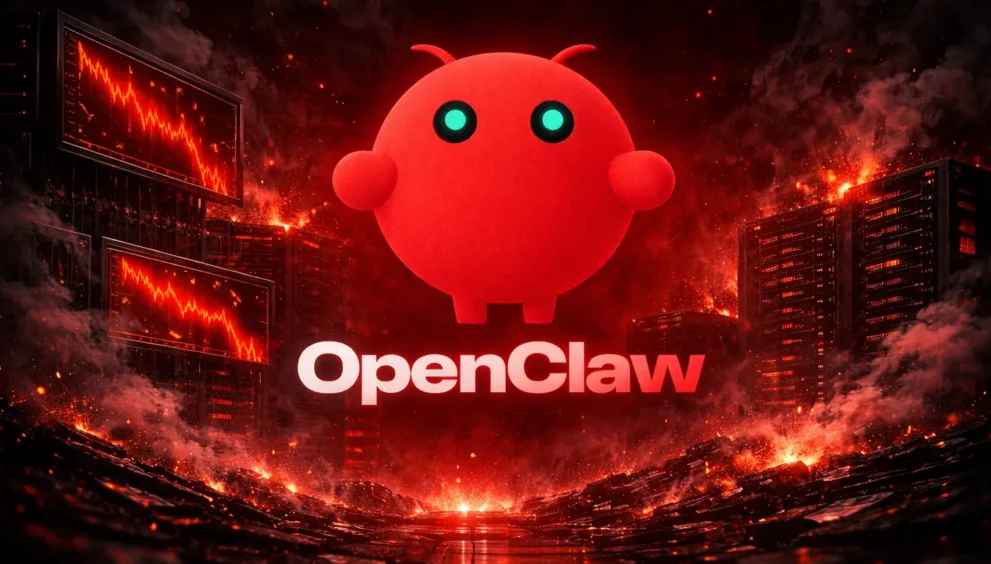
In the first week of February 2026, the global IT sector experienced something it hadn’t felt in years fear rooted in fundamentals, not macro noise. What began as a mild sell-off in software stocks quickly snowballed into a sharp correction now being called the SaaSpocalypse.
Within days, $285–300 billion in market value vanished from global IT and SaaS companies. Investors weren’t reacting to inflation, interest rates, or geopolitics. They were reacting to a far more uncomfortable idea:
At the center of this storm is Anthropic and its latest breakthrough: the Claude Opus 4.6 multi-agent system, popularly integrated into community tools like Moltbot.
The IT Market Crash: What Actually Happened
This wasn’t speculation. The data was visible across global indices.
Key market movements (Jan 28 – Feb 7, 2026):
- The S&P 500 Software & Services Index lost close to $1 trillion in market value
- Mid-cap SaaS stocks corrected 15–25% in under a week
- Multiple enterprise software companies hit 52-week lows
In India, the impact was sharper and more symbolic.
Indian IT sector impact:
- Nifty IT Index fell ~7% in one week, worst since the 2020 pandemic crash
- TCS, Infosys, Wipro, Tech Mahindra dropped between 6–8%
- Over ₹2 lakh crore in investor wealth erased
This wasn’t earnings disappointment. Demand was still there. What collapsed was confidence in how long the old IT business model would survive.
The Trigger: Claude Opus 4.6 Changed the Conversation
On February 5, 2026, Anthropic released Claude Opus 4.6. It didn’t go viral on social media, but inside developer and enterprise circles, it landed like a warning siren.
Claude Opus 4.6 introduced Agent Teams– multiple AI agents working together, sharing context, planning tasks, and executing projects autonomously. With a 1-million-token context window, these agents could handle massive codebases, legal frameworks, and compliance systems without losing coherence.
In benchmark stress tests, Claude agent teams:
- Built a working C compiler from scratch
- Completed the task in weeks instead of months
- Required minimal human supervision
Explore: Anthropic Overview
For investors, this wasn’t a technical milestone. It was an economic threat.
When AI Stopped Assisting and Started Acting
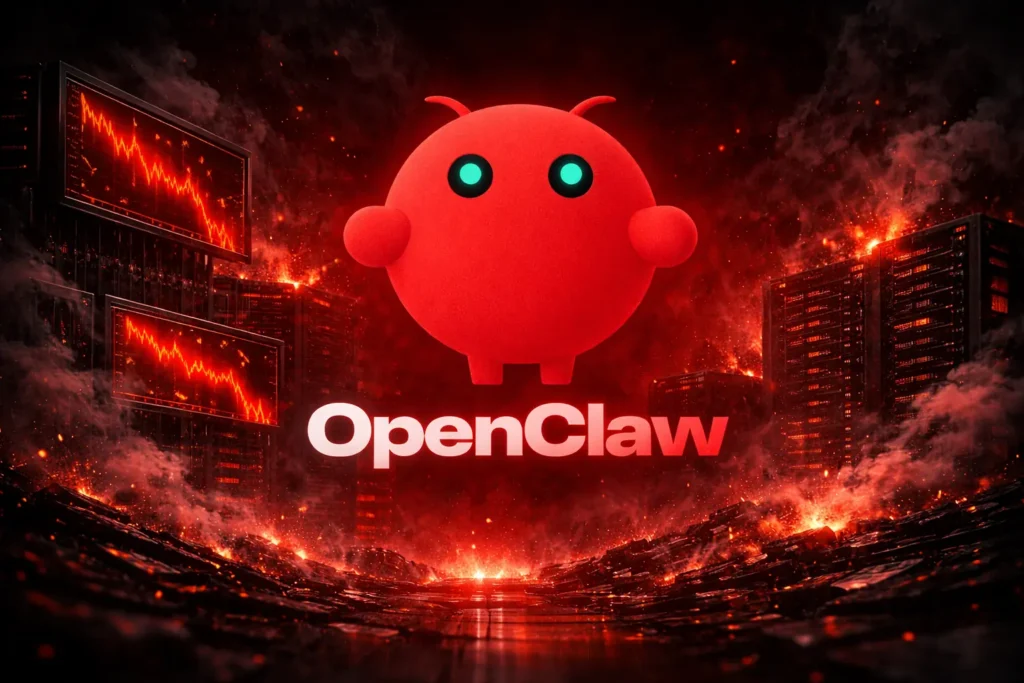
If Claude introduced intelligence, Moltbot (now OpenClaw) introduced execution.
OpenClaw is an open-source framework that allows Claude-powered agents to control real computers. Not simulate actually control.
What OpenClaw can do:
- Install and configure software
- Execute system commands
- Manage files and emails
- Run end-to-end workflows autonomously
GitHub repository: https://github.com/openclaw-ai
Within weeks, OpenClaw crossed 100,000+ GitHub stars, signaling rapid developer adoption. While security concerns exist full system access and weak credential handling markets focused on one thing: AI agents now have hands.
Why SaaS and IT Stocks Sold Off So Fast
The sell-off wasn’t emotional. It was logical.
Traditional IT and SaaS companies rely on:
- Seat-based pricing
- Per-user licenses
- Human-hour billing models
When one AI agent can:
- Replace multiple SaaS subscriptions
- Automate back-office operations
- Deliver outcomes instead of effort
…the economics shift instantly. AI agents break all three.
That’s why companies like LegalZoom and Thomson Reuters fell 15–20%, and why even giants like Salesforce, ServiceNow, and Microsoft faced sustained pressure.
Investors weren’t asking if AI would disrupt software- they realized it already had.
Before vs After: Why Valuations Were Repriced
Software development
- Before: Teams of engineers, months of work, high tooling costs
- After: AI agent teams delivering production-ready output in weeks
Legal and compliance
- Before: Manual review and billable hours
- After: Agents scanning massive legal libraries autonomously
Finance and operations
- Before: Back-office teams + multiple SaaS tools
- After: Digital co-workers handling workflows end to end
This wasn’t incremental efficiency. This was structural compression of cost and time.
Is This the End of IT Companies?
No- but it is the end of comfortable models. The companies that survive this shift will:
- Sell AI-orchestrated outcomes, not manpower
- Combine human oversight with autonomous agents
- Build defensible advantages using proprietary data
The new power role emerging across enterprises is the AI Orchestrator– someone who designs, governs, and scales agent-based systems responsibly.
What Happens Next
This transition won’t be reckless. Banks and enterprises won’t hand over full system access overnight. Expect:
- Hybrid AI-human workflows
- Sandboxed agent deployments
- Gradual expansion of autonomy
But the direction is locked in. The SaaSpocalypse wasn’t panic- It was a valuation reset. The market didn’t crash because AI is hype. It corrected because AI started doing real work at real scale.
Final Thought
The era of AI assistants is ending. The era of AI workforces has begun. Companies that adapt will grow leaner and stronger. Those that don’t will slowly fade not because demand vanished, but because effort stopped being valuable.
What makes this shift different from past tech cycles is speed. Cloud, mobile, and SaaS took years to change how companies operated. AI workforces are doing it in quarters. The winners won’t be the ones who adopt AI “features,” but those who redesign their organizations around agent-led execution, human judgment, and outcome ownership. In this new reality, scale no longer comes from headcount or software sprawl- it comes from how intelligently you deploy, govern, and trust your agents.