

MGM Healthcare held walkathon to mark World Stroke Day – The Hindu
-
Tapas Pal / 1 hour
- October 30, 2026
- 0
- 14 min read

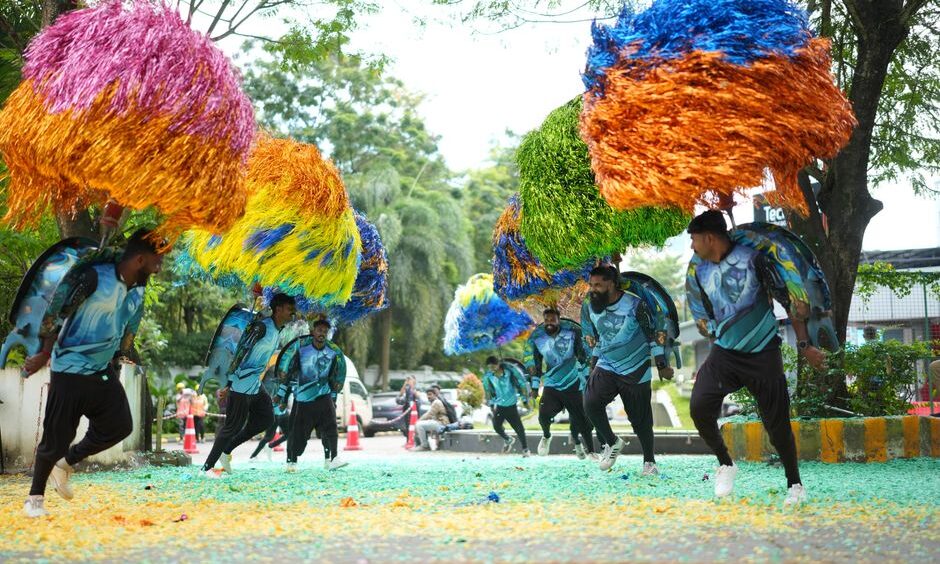
On October 28, 2023, MGM Healthcare, a leading quaternary care hospital in Chennai, organized a significant walkathon to commemorate World Stroke Day, engaging hundreds of participants in a spirited effort to elevate public awareness about stroke prevention, early recognition, and timely intervention. The event, commencing from the hospital premises in Nelson Manickam Road and traversing key thoroughfares of the city, underscored the critical importance of community involvement in addressing the growing burden of stroke.
Background: The Global and Local Imperative of Stroke Awareness
World Stroke Day, observed annually on October 29, serves as a pivotal global platform to highlight the devastating impact of stroke and advocate for urgent action. Initiated by the World Stroke Organization (WSO), this day galvanizes health professionals, policymakers, and the public to confront stroke as a major health challenge. The WSO's mission is to reduce the global burden of stroke through prevention, treatment, and long-term care, emphasizing that stroke is largely preventable and treatable, yet remains a leading cause of death and disability worldwide. Global statistics paint a stark picture: one in four people will experience a stroke in their lifetime, with millions suffering long-term consequences such as paralysis, speech difficulties, and cognitive impairments. The economic and social costs associated with stroke, encompassing direct medical expenses, rehabilitation, and lost productivity, are astronomical, placing immense strain on healthcare systems and individual families alike.
The evolution of World Stroke Day campaigns over the years reflects a growing understanding of the disease. Early campaigns often focused on the immediate medical emergency, while more recent themes have broadened to include post-stroke rehabilitation, caregiver support, and the crucial role of lifestyle modifications in prevention. The ubiquitous "FAST" acronym (Face drooping, Arm weakness, Speech difficulty, Time to call emergency services) has become a cornerstone of public education, designed to empower individuals to recognize stroke symptoms rapidly and seek immediate medical attention, thereby maximizing the chances of successful treatment and recovery.
MGM Healthcare, established as a beacon of advanced medical care in Chennai, has consistently demonstrated a commitment not only to clinical excellence but also to community health education and outreach. With a rich history of providing specialized services across numerous disciplines, including a robust neurology and neurosurgery department, MGM Healthcare has positioned itself at the forefront of tackling complex health issues. Its infrastructure, equipped with state-of-the-art diagnostic and therapeutic technologies, supports a multidisciplinary approach to patient care, from acute interventions to comprehensive rehabilitation. Beyond its clinical services, MGM Healthcare has a track record of engaging with the public through various health camps, awareness drives, and educational programs, reinforcing its philosophy that proactive health management is as vital as reactive treatment.
Stroke in India presents a unique set of challenges and epidemiological patterns. The country faces a rapidly increasing incidence of stroke, particularly among younger populations, largely attributable to changing lifestyles, rising prevalence of non-communicable diseases (NCDs) like hypertension and diabetes, and insufficient public awareness. Studies indicate that stroke incidence rates in India are comparable to or even higher than those in developed nations, yet access to specialized stroke care remains uneven, with significant disparities between urban and rural areas. Many patients in rural settings face delays in diagnosis and treatment due due to geographical barriers, lack of awareness, and limited infrastructure, often leading to poorer outcomes. Government initiatives, such as the National Programme for Prevention and Control of Cancer, Diabetes, Cardiovascular Diseases and Stroke (NPCDCS), aim to address these NCDs through health promotion, early diagnosis, and management, but the scale of the problem necessitates continuous and concerted efforts from both public and private sectors.
The concept of walkathons as a tool for health awareness has a long and impactful history. These events serve multiple purposes: they physically engage participants, promoting the very health behaviors they advocate; they create a visible, collective statement that draws public attention; and they foster a sense of community and solidarity among participants, including patients, caregivers, and healthcare professionals. For stroke awareness, a walkathon carries particular symbolism, representing the journey of recovery and the importance of mobility, while also highlighting the preventative power of physical activity. Such events transform abstract health messages into tangible, communal experiences, making them more memorable and impactful.
Key Developments: The Walkathon and Advancements in Stroke Care
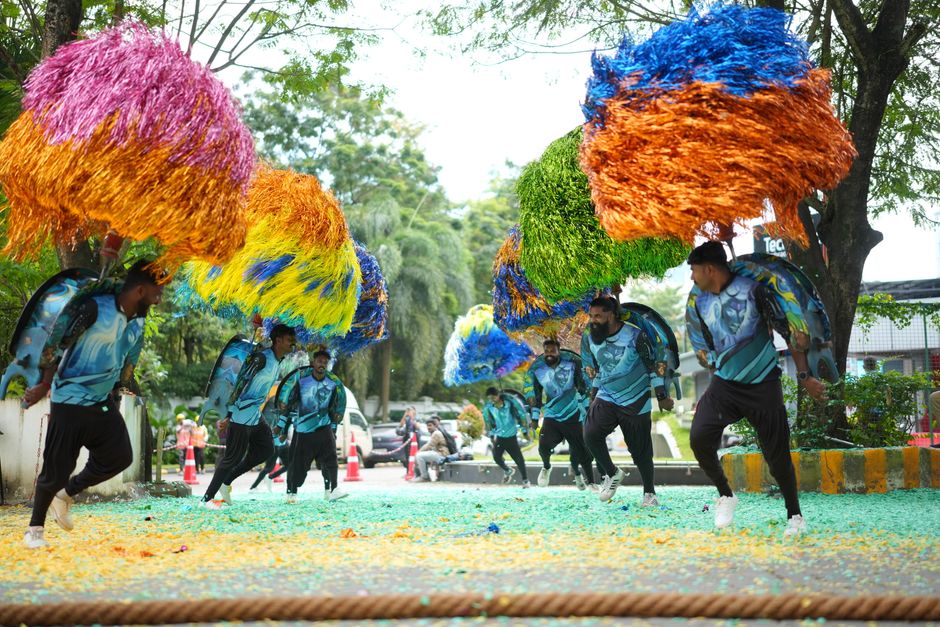
The MGM Healthcare World Stroke Day walkathon, held on October 28, 2023, commenced promptly at 6:30 AM, drawing an impressive turnout of over 500 participants. The route was carefully planned to maximize visibility and engagement, starting from the main entrance of MGM Healthcare on Nelson Manickam Road, proceeding along Poonamallee High Road, circling the arterial roads near Kilpauk, and concluding back at the hospital. The sea of participants, comprising MGM Healthcare doctors, nurses, allied health professionals, administrative staff, local community members, stroke survivors, and their dedicated caregivers, moved with purpose, adorned in specially designed t-shirts bearing messages of stroke awareness and prevention.
The event was graced by the presence of several key figures from MGM Healthcare and the local medical community. Dr. Prashanth Rajagopalan, Director of MGM Healthcare, inaugurated the walkathon, emphasizing the institution's unwavering commitment to public health. He was joined by Dr. M. Dhanasekar, Senior Consultant Neurologist, and Dr. R. Manjula, Consultant Neurologist, both pivotal figures in MGM's comprehensive stroke care program. Their opening remarks underscored the critical importance of public education regarding stroke symptoms and the necessity of seeking immediate medical attention. They highlighted how every minute counts in a stroke emergency, directly impacting patient outcomes and the potential for recovery.
Throughout the walkathon, educational placards were carried, displaying vital information about stroke risk factors—such as hypertension, diabetes, high cholesterol, smoking, and sedentary lifestyles—and preventative measures. Volunteers distributed informational leaflets detailing the "FAST" acronym and dispelling common myths about stroke. Upon conclusion of the walkathon, a brief but impactful interactive session was held, where neurologists addressed common queries from participants, offering practical advice on lifestyle modifications, recognizing warning signs, and the available treatment options at MGM Healthcare. Free blood pressure screening and basic stroke risk assessments were also offered, providing immediate, actionable health insights to attendees. The meticulous organization, including hydration stations, first-aid support, and traffic management coordination with local authorities, ensured a safe and smooth experience for all participants. The event garnered significant attention from local media, amplifying its reach beyond the immediate participants.
The walkathon also served as a timely reminder of the remarkable advancements in stroke treatment and prevention that have transformed outcomes for patients in recent decades. Modern stroke care revolves around the concept of "time is brain," emphasizing that prompt intervention is paramount. Two groundbreaking treatments, intravenous thrombolysis (clot-busting medication) and endovascular thrombectomy (mechanical clot removal), have revolutionized acute ischemic stroke management. Thrombolysis, administered within a narrow therapeutic window, can dissolve clots blocking blood flow to the brain. Thrombectomy, a minimally invasive procedure, can physically extract larger clots, often leading to dramatic recoveries, especially when performed within extended timeframes in eligible patients.
These treatments are heavily reliant on rapid diagnosis, which has been significantly aided by technological advancements in neuroimaging. Advanced CT scans and MRI perfusion studies allow clinicians to quickly assess brain tissue viability and guide treatment decisions, ensuring that interventions are targeted and effective. Beyond acute care, advancements in stroke rehabilitation have also been profound. Multidisciplinary rehabilitation teams, comprising physiotherapists, occupational therapists, speech-language pathologists, and neuro-psychologists, work collaboratively to help survivors regain function and independence. Innovative approaches, including robotic-assisted therapy, virtual reality rehabilitation, and brain-computer interfaces, are continually being developed to enhance recovery potential. Furthermore, continuous research into new pharmacological agents and lifestyle interventions for primary and secondary stroke prevention continues to refine best practices, offering hope for reducing stroke incidence globally.
MGM Healthcare's specific contributions to stroke care exemplify these advancements. The hospital boasts a dedicated, state-of-the-art Stroke Unit, equipped with advanced neuroimaging capabilities, an interventional neurology suite, and specialized intensive care facilities. This unit operates on a protocol-driven approach, ensuring rapid assessment and initiation of treatment for stroke patients, adhering to international guidelines for acute stroke management. The multidisciplinary stroke team at MGM includes highly skilled neurologists, neurosurgeons, interventional neuroradiologists, neuro-intensivists, and a comprehensive rehabilitation team, all working synergistically to provide holistic care. The hospital regularly conducts training programs for its medical and nursing staff to ensure they are updated on the latest evidence-based practices in stroke care. While specific patient success stories remain confidential, the hospital's commitment to delivering prompt and effective interventions has consistently led to positive outcomes for numerous stroke survivors, allowing many to return to a fulfilling quality of life. MGM Healthcare also actively participates in clinical audits and quality improvement initiatives, continuously striving to enhance its stroke care pathways and benchmark against global standards.
Impact: Reaching Individuals and Strengthening the Healthcare Ecosystem
The MGM Healthcare walkathon had a multifaceted impact, resonating deeply with direct participants and extending its influence to the broader community and the healthcare system. For the hundreds who walked, the event fostered a powerful sense of community and solidarity. Stroke survivors and their caregivers, often navigating challenging recovery journeys, found encouragement and validation in seeing such a large turnout dedicated to their cause. The collective energy and shared purpose instilled a renewed sense of hope and empowerment. Participants reported a significant increase in their understanding of stroke symptoms and preventative measures, moving beyond vague notions to specific, actionable knowledge. This direct educational component is invaluable, as informed individuals are more likely to recognize a stroke in themselves or others and act swiftly. Healthcare professionals from MGM, by participating alongside the community, reinforced their commitment to patient well-being beyond the hospital walls, strengthening the bond of trust and demonstrating a proactive approach to public health. The positive feedback from participants underscored the event's success in creating an engaging and informative experience.
Beyond the immediate participants, the walkathon's impact on the wider community was substantial. The visible presence of hundreds of individuals marching through Chennai's streets, carrying banners and distributing leaflets, served as a potent public awareness campaign. This widespread visibility undoubtedly contributed to a heightened public consciousness about stroke symptoms, particularly the "FAST" acronym. Increased awareness is a critical first step in reducing treatment delays, which are often the biggest barrier to effective stroke care. When more people can recognize a stroke and call for emergency services promptly, patients reach hospitals within the crucial "golden hour," significantly improving their chances of receiving life-saving treatments like thrombolysis or thrombectomy. Over time, such sustained awareness efforts can lead to a measurable reduction in morbidity and mortality associated with stroke in the region. Furthermore, the emphasis on lifestyle modifications during the event encouraged healthier choices within the community, promoting physical activity, balanced diets, and regular health check-ups, which are fundamental to stroke prevention. The long-term economic benefits of prevention and early treatment cannot be overstated, as they reduce the need for prolonged hospital stays, extensive rehabilitation, and costly long-term care, thereby alleviating financial burdens on families and the healthcare system.
For the healthcare system, and specifically for MGM Healthcare, the walkathon reinforced its position as a proactive leader in community health. Such initiatives strengthen the hospital's brand as a socially responsible institution committed to more than just treating illness, but also to preventing it and promoting overall well-being. The event created valuable opportunities for collaboration with local government bodies, non-governmental organizations, and other community groups, fostering a more integrated approach to public health challenges. By setting a benchmark for community engagement in health awareness, MGM Healthcare encourages other healthcare providers to undertake similar initiatives, contributing to a broader culture of health promotion across the region. Data collected from such events, including participant demographics and feedback, can be invaluable for refining future public health campaigns, ensuring they are even more targeted and effective in addressing specific community needs and knowledge gaps.
The impact on stroke survivors and their caregivers warrants particular attention. Stroke can be a profoundly isolating experience, often leading to psychological challenges such as depression, anxiety, and a sense of loss of independence. For caregivers, the journey can be equally demanding, involving immense physical, emotional, and financial strain. Events like the walkathon play a crucial role in mitigating this isolation by creating a supportive community network. Seeing others who have faced similar challenges, and witnessing the broader public's concern, can be incredibly validating and empowering. It offers a platform for shared experiences, reduces stigma, and provides a sense of belonging. The emphasis on rehabilitation and recovery during the event also instills hope, showcasing that life after stroke is not only possible but can be fulfilling with appropriate support and determination. By highlighting the challenges faced by caregivers and advocating for their support, the walkathon brought much-needed attention to their indispensable role, encouraging broader societal recognition and resources for these unsung heroes.
What Next: Sustaining Momentum and Advancing Stroke Care
Building on the significant success of the World Stroke Day walkathon, MGM Healthcare is poised to sustain and expand its commitment to stroke awareness, prevention, and advanced care. The institution plans a series of follow-up initiatives designed to maintain momentum and deepen community engagement. These will include regular health workshops focused on stroke risk factor management, such as hypertension control, diabetes education, and smoking cessation programs, conducted in various community centers and corporate settings. Free stroke risk assessment camps and blood pressure screening drives will be organized quarterly across different neighborhoods in Chennai, aiming to reach a broader demographic and identify individuals at high risk who may benefit from early intervention. The hospital is also exploring partnerships with local schools and colleges to integrate basic stroke awareness into health education curricula, targeting younger generations with preventative messages.
MGM Healthcare envisions expanding its stroke care services further, potentially through the establishment of satellite stroke clinics in underserved areas or enhancing its existing rehabilitation facilities with cutting-edge technologies. There is a strong emphasis on leveraging telemedicine platforms to extend stroke consultation and follow-up care to patients in remote areas, reducing geographical barriers to access. The annual recurrence of the World Stroke Day walkathon or similar large-scale community events is firmly on the agenda, transforming it into a flagship event that the community anticipates and participates in consistently. The hospital also aims to set specific, measurable targets for stroke prevention and early intervention within its service area, such as reducing the average door-to-needle time for thrombolysis and increasing the percentage of patients receiving acute stroke care within the therapeutic window.
On a broader scale, the fight against stroke necessitates continued advocacy and policy development. The World Stroke Organization continues its global efforts to influence health policies, advocating for better funding for stroke research, improved access to stroke care in low and middle-income countries, and comprehensive national stroke strategies. Nationally, health goals related to non-communicable diseases (NCDs), including stroke, remain a priority. There is an ongoing need to strengthen primary healthcare infrastructure to facilitate early detection and management of stroke risk factors, and to integrate stroke care pathways more seamlessly into the existing healthcare delivery system. Policymakers are continually challenged to allocate adequate resources for stroke prevention, acute treatment, and long-term rehabilitation, recognizing the immense societal and economic benefits of such investments.
Technological advancements are expected to continue transforming stroke care in the near future. Artificial intelligence (AI) and big data analytics are poised to play an increasingly significant role in personalized stroke prevention, risk stratification, and even in guiding treatment decisions in acute settings. AI algorithms can analyze complex patient data to predict stroke risk more accurately, optimize treatment selection, and assist in interpreting neuroimaging results rapidly. Wearable technologies and remote monitoring devices will empower individuals to track their health parameters, providing early warnings for potential stroke risk factors. Further innovations in neurorehabilitation, including advanced brain-computer interfaces and neuro-modulatory techniques, hold promise for improving functional recovery for stroke survivors.
MGM Healthcare's unwavering commitment to research and education will remain a cornerstone of its strategy. The hospital plans to invest further in neurological research, potentially collaborating with national and international academic institutions to contribute to the global body of knowledge on stroke. This includes participating in clinical trials for novel stroke therapies and conducting epidemiological studies specific to the Indian population. Educational programs for both the public and medical professionals will be continuously updated and expanded, ensuring that the latest evidence-based information reaches all stakeholders. The ultimate goal is to establish sustainable models for community health engagement, where awareness is not a one-off event but an ongoing, integrated part of public life, fostering a culture of health and proactive prevention. This holistic approach, combining clinical excellence with robust community outreach and forward-looking research, positions MGM Healthcare as a vital force in the ongoing battle against stroke, ensuring that more lives are saved and improved for years to come.