



Can’t have sabka vishwas with tear gas and lathi – The Indian Express
-
Tapas Pal / 2 months
- July 22, 2026
- 0
- 17 min read

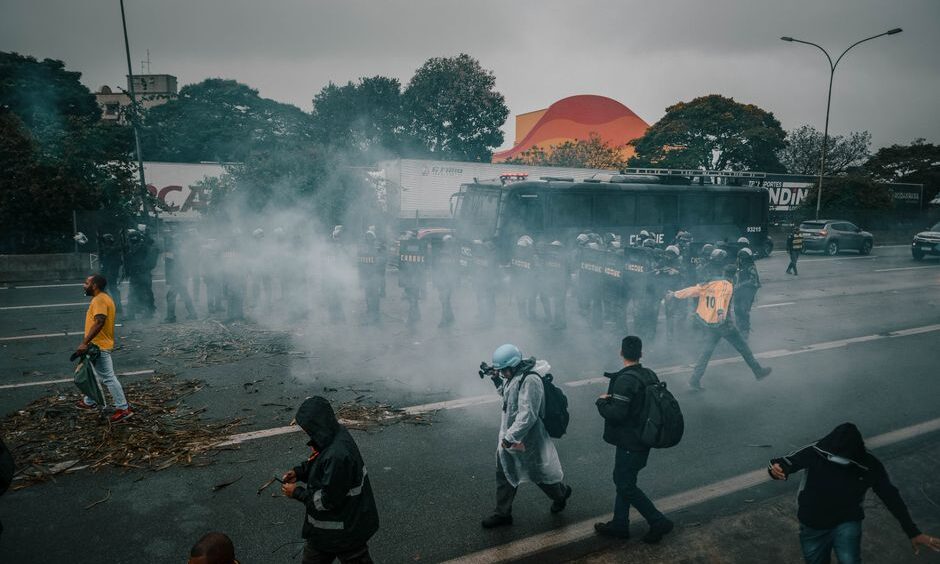
Across India, a recurring tension has emerged between the government's stated principle of "Sabka Vishwas" – the trust of all – and the frequent deployment of state force, including tear gas and lathi charges, against protesting citizens. This dynamic raises fundamental questions about democratic governance, the right to dissent, and the state's approach to public engagement in a vibrant democracy. Over recent years, various protest movements across the nation have brought this critical issue to the forefront of national discourse.
Background: The Genesis of Trust and the History of Dissent
The phrase "Sabka Vishwas" (trust of all), alongside "Sabka Saath, Sabka Vikas" (with everyone, for everyone's development), was coined by Prime Minister Narendra Modi as a core tenet of his administration's philosophy. It signifies an inclusive governance model aiming to build consensus and confidence across all sections of society, regardless of caste, creed, or political affiliation. This vision of broad-based trust is intended to be the bedrock for national development and social harmony.
India, as the world's largest democracy, possesses a rich and often tumultuous history of public protests. From the freedom struggle to post-independence movements for linguistic states, social justice, and economic reforms, public assembly and dissent have been integral to its political landscape. The Constitution of India guarantees citizens the right to freedom of speech and expression, and to assemble peaceably and without arms, subject to reasonable restrictions in the interest of public order. Historically, the state's response to protests has varied, but the use of force, while not uncommon, has often been a point of contention and public debate.
The Farmers’ Protests (2020-2021)
One of the most significant demonstrations of this tension was the nationwide farmers' protest against three contentious agricultural laws. In September 2020, the Indian Parliament enacted the Farmers' Produce Trade and Commerce (Promotion and Facilitation) Act, 2020; The Farmers (Empowerment and Protection) Agreement on Price Assurance and Farm Services Act, 2020; and The Essential Commodities (Amendment) Act, 2020. These laws aimed to deregulate agricultural markets, facilitate contract farming, and amend the list of essential commodities.
Farmers' unions, primarily from Punjab, Haryana, and parts of Uttar Pradesh, argued that these laws would dismantle the existing Minimum Support Price (MSP) system, weaken Agricultural Produce Market Committees (APMCs), and leave farmers vulnerable to large corporations. Beginning in late 2020, hundreds of thousands of farmers marched towards Delhi, establishing protest sites at the city's borders, notably Singhu, Tikri, and Ghazipur.
The government's initial response involved erecting multi-layered barricades, digging trenches, and deploying significant police and paramilitary forces. Protesters faced water cannons and tear gas shells as they attempted to breach police lines on multiple occasions, particularly during their initial march in November 2020. The use of force, including lathi charges, was reported at various points, leading to injuries among protesters and police personnel alike. The government maintained that the laws were beneficial for farmers and that the protests were politically motivated, while farmers insisted on their unconditional repeal. The standoff continued for over a year, marked by rounds of inconclusive talks between farmer leaders and government ministers. The prolonged protest, which saw hundreds of farmer deaths due to various reasons including harsh weather and accidents, ultimately led to the repeal of the three farm laws by the Parliament in December 2021, following an announcement by Prime Minister Modi.
The Anti-CAA/NRC Protests (2019-2020)
Prior to the farmers' agitation, India witnessed widespread protests against the Citizenship Amendment Act (CAA) and the proposed National Register of Citizens (NRC) in late 2019 and early 2020. The CAA, passed in December 2019, offers a path to Indian citizenship for non-Muslim migrants (Hindus, Sikhs, Buddhists, Jains, Parsis, and Christians) who fled religious persecution from Pakistan, Bangladesh, and Afghanistan before December 31, 2014. Critics argued that the law was discriminatory as it excluded Muslims and violated the secular principles of the Indian Constitution. Concerns were also raised about the potential nationwide implementation of the NRC, which, coupled with the CAA, could disproportionately affect marginalized communities, particularly Muslims, who might struggle to prove their citizenship.
Protests erupted across the country, with significant demonstrations in Delhi (Shaheen Bagh, Jamia Millia Islamia), Uttar Pradesh (Aligarh Muslim University, Lucknow), Assam, West Bengal, and other states. Student communities were at the forefront of these protests, often clashing with police.
The state's response to these protests also involved significant use of force. Incidents at Jamia Millia Islamia and Aligarh Muslim University in December 2019 saw police entering campuses, using lathi charges and tear gas against students. Reports of excessive force, detentions, and damage to university property sparked national outrage. In Uttar Pradesh, several deaths were reported during protests, with allegations of police brutality. Internet shutdowns were implemented in various regions to curb the spread of information and prevent further mobilization. The government defended the CAA as a humanitarian measure and dismissed concerns about the NRC, while protesters emphasized the constitutional implications and the perceived threat to India's secular fabric.
Other Instances of State Force
Beyond these two major movements, numerous other instances have highlighted the ongoing debate regarding the use of force in crowd control. Protests related to the Agnipath scheme for military recruitment in 2022 saw widespread unrest, arson, and police action across several states. Demonstrations by various caste groups, student bodies, and labor unions have also, at times, been met with lathi charges and tear gas, particularly when they were deemed to obstruct public order or violate prohibitory orders. The situation in Manipur in 2023, involving ethnic violence and subsequent protests, also saw the deployment of significant security forces and instances of crowd control measures.
Legal Framework for Public Order
The legal framework governing public order in India grants significant powers to the police and executive magistrates. Section 144 of the Code of Criminal Procedure (CrPC) empowers a District Magistrate, Sub-Divisional Magistrate, or any other Executive Magistrate specially empowered by the State Government, to issue orders prohibiting the assembly of four or more people in an area. Violation of such an order can lead to arrest and prosecution. The Indian Penal Code (IPC) also contains provisions related to unlawful assembly (Section 141), rioting (Section 146), and obstructing public servants (Section 186).
The police are authorized to use force to disperse unlawful assemblies, but this power is not absolute. The principle of proportionality dictates that the force used must be the minimum necessary to achieve the objective and should be graduated, starting with warnings, then lathi charges, and only as a last resort, tear gas or rubber bullets, and finally, firing, strictly adhering to established protocols. However, allegations of disproportionate force and lack of accountability frequently surface during and after major protest events.
Key Developments: Evolving Dynamics of Dissent and Control
The landscape of protests and state response in India has witnessed several key developments in recent years, shaping the dialogue around "Sabka Vishwas" and the use of force. These include changes in the intensity of force, technological advancements in crowd control, and the evolving role of media and judiciary.
Perceived Increase in Force and Intensity
While the use of force in crowd control is not new in India, there has been a growing perception among civil society groups, opposition parties, and segments of the media that the frequency and intensity of state force against protests have increased. Critics argue that the state is becoming less tolerant of dissent, often resorting to prohibitory orders (Section 144 CrPC) preemptively and deploying significant force even against peaceful demonstrations. The scale of barricading, trench digging, and heavy police deployment witnessed during the farmers' protests, for example, was unprecedented for a civilian protest in recent memory, drawing comparisons to border security measures.
Technological Advancements in Crowd Control and Surveillance
Modern technology has significantly altered the methods of crowd control and surveillance. Police forces across India have adopted advanced equipment, including specialized tear gas launchers, sonic cannons (though their widespread use is debated), and an array of non-lethal weapons. Drones are increasingly used for surveillance, monitoring crowd movements, and identifying protest leaders. Facial recognition technology is also being deployed to identify individuals involved in protests, leading to concerns about privacy and potential misuse for targeting dissenters. While proponents argue these technologies enhance law enforcement efficiency and safety, critics warn of their potential to suppress legitimate protest and create a surveillance state.
Narrative Control and Media Landscape
The digital age has profoundly impacted how protests are organized, perceived, and reported. Social media platforms serve as powerful tools for mobilization, allowing protesters to share their grievances, coordinate actions, and disseminate real-time updates directly to a global audience. However, these platforms also become battlegrounds for competing narratives. The government often uses official channels and allied media to present its perspective, frequently labeling protests as "anti-national," "misguided," or "politically motivated." This narrative control aims to delegitimize dissent and garner public support for state actions.
The traditional media landscape also faces challenges, with allegations of biased reporting, self-censorship, and pressure from authorities. Independent journalism and fact-checking efforts become crucial in navigating the often-conflicting information, but they too face hurdles, including accusations of bias and restrictions on access to protest sites. Internet shutdowns, implemented during several major protests, further complicate information flow and democratic discourse.
Judicial Interventions and Observations
The Indian judiciary, particularly the Supreme Court and various High Courts, has played a critical role in mediating the balance between the right to protest and the maintenance of public order. Courts have repeatedly affirmed the constitutional right to peaceful protest as a cornerstone of democracy. For instance, in its judgment concerning the Shaheen Bagh protests, the Supreme Court, while acknowledging the right to protest, stated that public spaces cannot be occupied indefinitely, emphasizing the need for balance with other rights, including the right to free movement.
However, judicial interventions have also been criticized for being reactive rather than proactive, and for not always holding law enforcement strictly accountable for alleged excesses. There have been calls for stronger judicial oversight over police actions during protests, including independent inquiries into instances of disproportionate force, injuries, and deaths. The courts' role in safeguarding fundamental rights during times of unrest remains a crucial check on executive power.
Policy Shifts and Accountability
Discussions around police reform, including training in de-escalation techniques, adherence to standard operating procedures for crowd control, and accountability mechanisms, have gained renewed urgency. Reports by various commissions, including the National Human Rights Commission (NHRC) and the Administrative Reforms Commission, have long advocated for reforms to modernize police forces, enhance their professionalism, and ensure greater accountability. However, implementation of these reforms has been slow.
The issue of accountability for alleged police excesses during protests remains a significant concern. While internal inquiries are often conducted, independent investigations leading to prosecution or disciplinary action against personnel found guilty of using excessive force are relatively rare, leading to a perception of impunity. This lack of accountability further erodes public trust and contradicts the spirit of "Sabka Vishwas."
International Scrutiny
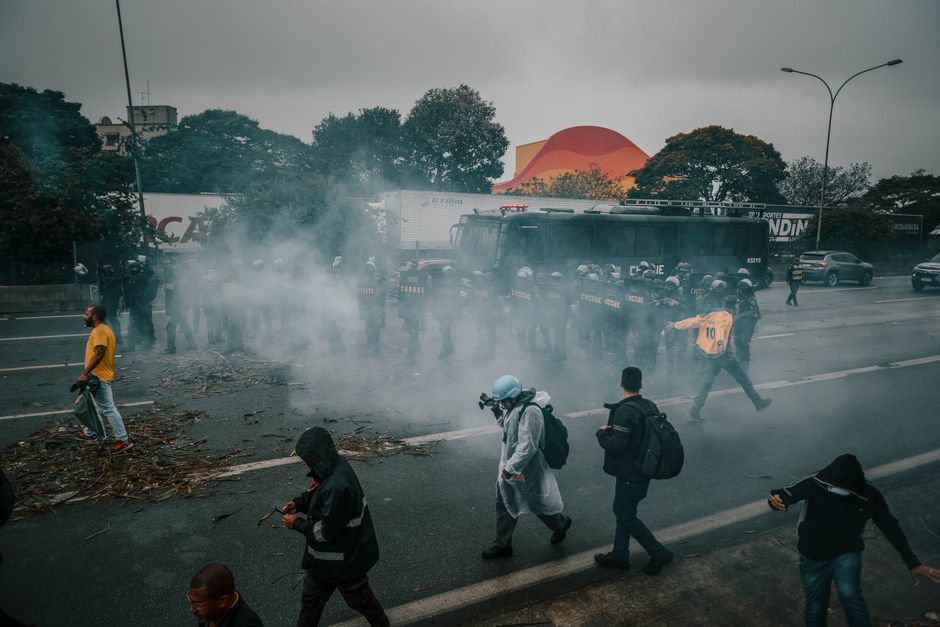
The use of force against protesters in India has not gone unnoticed on the international stage. Various human rights organizations, including Amnesty International and Human Rights Watch, have consistently expressed concerns about alleged police brutality, arbitrary detentions, and restrictions on freedom of assembly and expression. The United Nations Human Rights Council (UNHRC) and other international bodies have also made observations, urging India to uphold its international human rights obligations. While the Indian government often characterizes such concerns as interference in its internal affairs, international scrutiny adds another layer of pressure and shapes India's global image as a democratic nation.
Impact: Ramifications for Society and Governance
The frequent use of tear gas and lathi charges against protesters carries profound and multi-faceted impacts, affecting individuals, institutions, and the very fabric of democratic governance. These consequences extend far beyond the immediate moment of confrontation, leaving lasting scars on society and challenging the ideal of "Sabka Vishwas."
Impact on Protesters and Dissent
The most immediate impact is borne by the protesters themselves. Physical injuries, ranging from minor bruises to severe head trauma and fractures, are common outcomes of lathi charges and projectile impacts from tear gas shells. In some tragic instances, deaths have occurred due to stampedes, injuries, or other protest-related incidents, as seen during the farmers' protests. Beyond physical harm, protesters face arbitrary detentions, often under stringent laws, leading to prolonged legal battles and financial burdens. The psychological toll is also significant, with individuals experiencing trauma, fear, and a chilling effect on their willingness to participate in future acts of dissent. This atmosphere can suppress legitimate protest and shrink the space for free expression, undermining a core tenet of democracy.
Impact on Law Enforcement Personnel
Law enforcement agencies, particularly the police, are also significantly affected. Personnel on the ground often face immense pressure, working long hours in stressful and dangerous conditions. They are exposed to the risk of injury from protesters, public backlash, and the psychological burden of confronting their own citizens. The constant deployment of force can lead to a desensitization to violence and an erosion of community policing principles. Furthermore, police personnel often find themselves caught between political directives and their duty to uphold the law impartially, leading to ethical dilemmas and potential damage to their professional reputation and public standing.
Impact on the General Public and Bystanders
The broader public is also significantly impacted. Disruptions to daily life, including traffic diversions, closure of public transport, and internet shutdowns, cause inconvenience and economic losses. The sight of state force against citizens can instill fear and anxiety, particularly among those living near protest sites. It can also deepen societal polarization, as different segments of the population react to and interpret these events differently, often along political or ideological lines. The erosion of trust in state institutions, including the police and the government, is a significant long-term consequence, making it harder for authorities to gain public cooperation on other issues.
Impact on Government and Governance
For the government, the repeated use of force against protests directly challenges the narrative of "Sabka Vishwas." It creates a perception of an unresponsive or authoritarian state that prioritizes order over dialogue and dissent. This can lead to a significant trust deficit, making it harder for the government to implement its policies effectively, even those intended for public good. It also raises questions about India's democratic credentials on both domestic and international fronts, potentially affecting foreign relations, investments, and its standing as a global leader. The political cost can be substantial, as public anger and disillusionment can translate into electoral consequences.
Economic Impact
Large-scale protests and the associated state responses can have considerable economic ramifications. Prolonged disruptions to transport routes, as seen during the farmers' protests on Delhi's borders, impact supply chains, trade, and local businesses. Tourism can suffer, and investor confidence may be affected by perceptions of political instability or social unrest. While the exact economic cost is difficult to quantify, it is undeniable that such events divert resources, hinder economic activity, and create an environment of uncertainty.
Erosion of Democratic Discourse
Perhaps the most profound impact is on the quality of democratic discourse itself. When dissent is met with force rather than dialogue, it signals a shrinking space for differing opinions and critical engagement. This can lead to self-censorship among citizens, academics, and media, fearing repercussions. A democracy thrives on robust debate, the ability to challenge power, and the freedom to express grievances. When these avenues are perceived to be curtailed by the threat of state violence, the very essence of democratic participation is undermined, leading to a more polarized and less inclusive society.
What Next: Charting a Path Towards Dialogue and Trust
The recurring cycle of protest and force in India necessitates a critical re-evaluation of the state's approach to dissent and a concerted effort to rebuild public trust. Moving forward, several milestones and shifts are essential to bridge the gap between "Sabka Vishwas" and the realities on the ground.
Reforming Police and Crowd Management Strategies
A fundamental step involves comprehensive police reforms, focusing on training, equipment, and accountability. Police personnel require enhanced training in de-escalation techniques, communication skills, and human rights principles when managing protests. The emphasis should shift from a confrontational "law and order" approach to one that prioritizes dialogue, negotiation, and the protection of citizens' right to peaceful assembly. Standard operating procedures for crowd control need to be reviewed and strictly enforced, ensuring that force is always proportional, minimum, and used only as a last resort. The adoption of less-lethal technologies should be accompanied by clear guidelines and accountability for their misuse.
Strengthening Accountability Mechanisms
Establishing independent and effective accountability mechanisms for instances of alleged police brutality or excessive force is crucial. This includes prompt, transparent, and impartial investigations into all complaints, leading to appropriate disciplinary action or prosecution where warranted. Such measures would not only deter future abuses but also restore public confidence in the justice system and demonstrate the state's commitment to upholding the rule of law. The recommendations of various commissions on police reforms, which have languished for decades, need urgent implementation.
Promoting Dialogue and Engagement
Governments, both at the central and state levels, must prioritize genuine dialogue and engagement with protesting groups. Before introducing significant policy changes that could impact large sections of the population, robust public consultations and stakeholder engagement are essential. During protests, establishing open channels of communication, appointing neutral mediators, and demonstrating a willingness to listen to grievances can de-escalate tensions and foster a more collaborative approach to problem-solving. A proactive approach to addressing public concerns, rather than a reactive response to protests, is vital for building "Sabka Vishwas."
Judicial Oversight and Protection of Rights
The judiciary will continue to play a critical role in safeguarding fundamental rights, including the right to protest. Courts must remain vigilant in reviewing state actions, ensuring adherence to constitutional principles, and providing timely redressal for violations of rights. Clearer guidelines from higher courts on the limits of state power during protests, the legality of prohibitory orders, and the proportionality of force could provide much-needed clarity for both law enforcement and citizens.
Role of Civil Society and Media
Civil society organizations, human rights defenders, and independent media will remain crucial in documenting abuses, advocating for rights, and providing alternative narratives. Their ability to operate without fear of reprisal is essential for a healthy democracy. Protecting journalists and activists from harassment, intimidation, and arbitrary legal action is paramount to ensuring transparency and accountability.
Addressing Root Causes of Discontent
Ultimately, a long-term solution lies in addressing the underlying socioeconomic and political grievances that often fuel protests. Issues such as economic inequality, unemployment, social injustice, and perceived threats to identity or cultural values are powerful drivers of dissent. A governance model truly committed to "Sabka Vishwas" must proactively work towards inclusive development, equitable policies, and the protection of minority rights, thereby reducing the impetus for large-scale public unrest.
The path forward for India in reconciling the ideal of "Sabka Vishwas" with the realities of crowd control is complex. It requires a fundamental shift in mindset from viewing dissent as a threat to recognizing it as an integral part of a functioning democracy. By embracing dialogue, ensuring accountability, and upholding constitutional rights, India can strengthen its democratic foundations and build a society where trust, rather than tear gas and lathis, forms the basis of governance.